Spiny-tailed lizard
Uromastyx spp.


Least concern · IUCN Red List
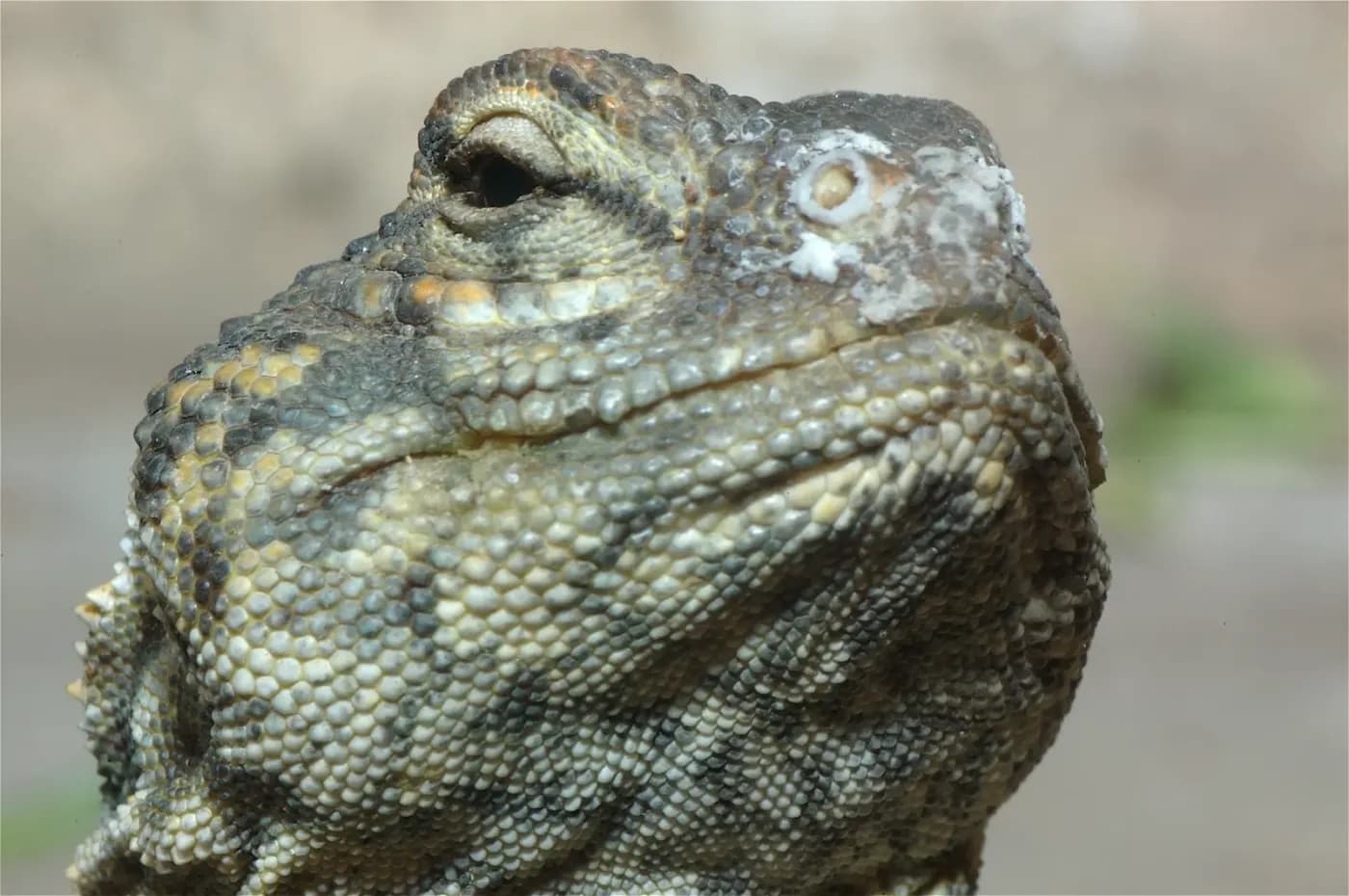
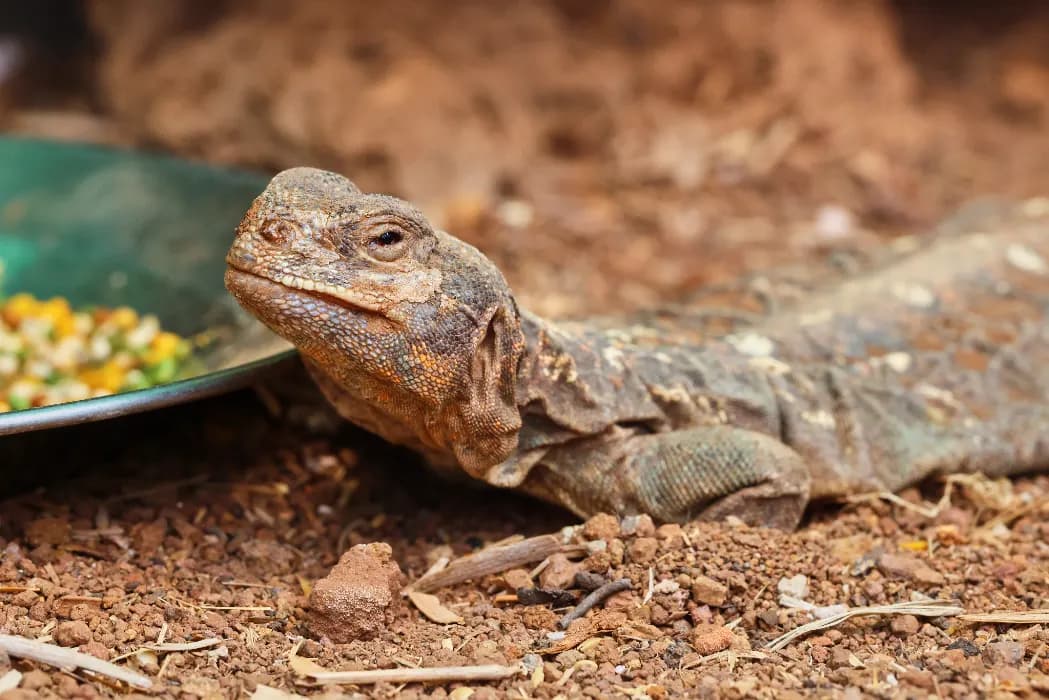
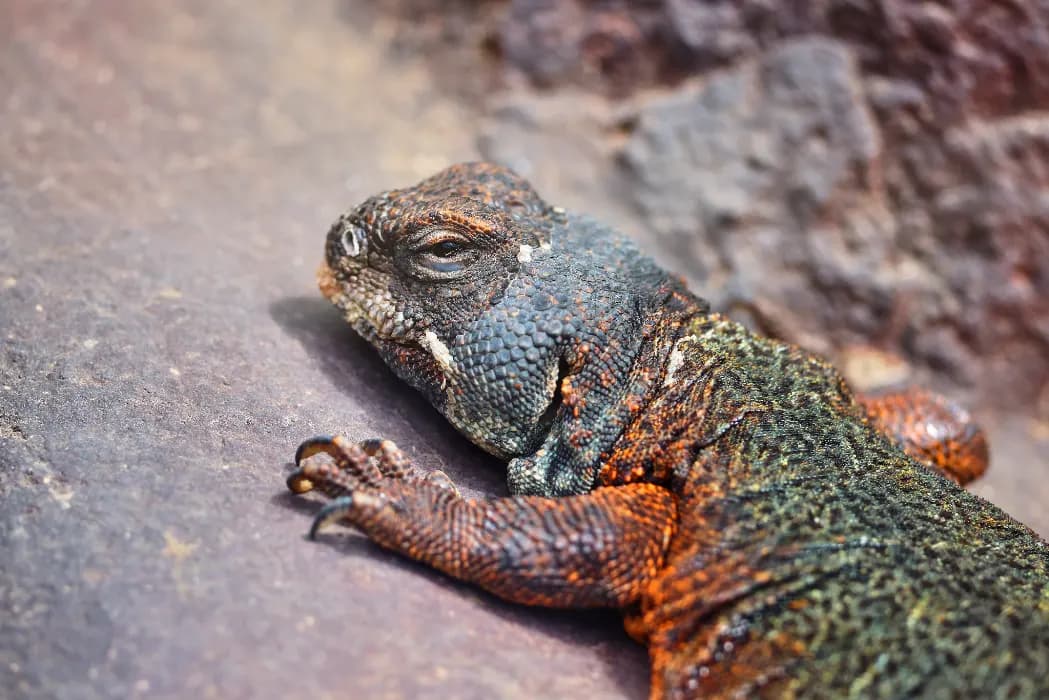
Spiny-tailed lizards are characterized by their stocky bodies, rough scales, and short tails. Their coloring varies depending on the species, ranging from shades of yellow and orange to brown and green. They also possess tail spines that they use for defense against potential predators. Their prominent eyes and nostrils allow them to adapt to the desert environment.
- Lifespan
- 15–30 years
- Weight
- 0,1–2 kg
- Length
- 20–90 cm


Get to know it
How it lives, what it eats and what puts it at risk. Open whatever interests you most.
Uromastyx reproduction is oviparous, meaning that they lay eggs. Females lay between 2 and 12 eggs per litter, with an average of 6 eggs. These are usually laid in a burrow or crevice, and the female remains with the eggs until they hatch. The young usually emerge about 2 months after being laid.
Uromastyx are specialised herbivorous reptiles that have adapted to survive in arid environments. They have the ability to store water in their tissues, which allows them to withstand long periods of drought. They are also expert burrowers, building burrows to shelter from the scorching heat of the desert.
Uromastyx are primarily herbivorous lizards that feed on dark leafy greens, vegetables such as carrots and courgettes, and fruits in small quantities. It is important to maintain a good calcium-phosphorus ratio in their diet for bone health.
Uromastyx populations are still relatively stable in their natural habitats, with no major threats affecting their survival at present. However, due to their popularity as exotic pets, some species face risks of overexploitation. In addition, over-collection and habitat loss are factors that may affect these fascinating lizards in the wild.