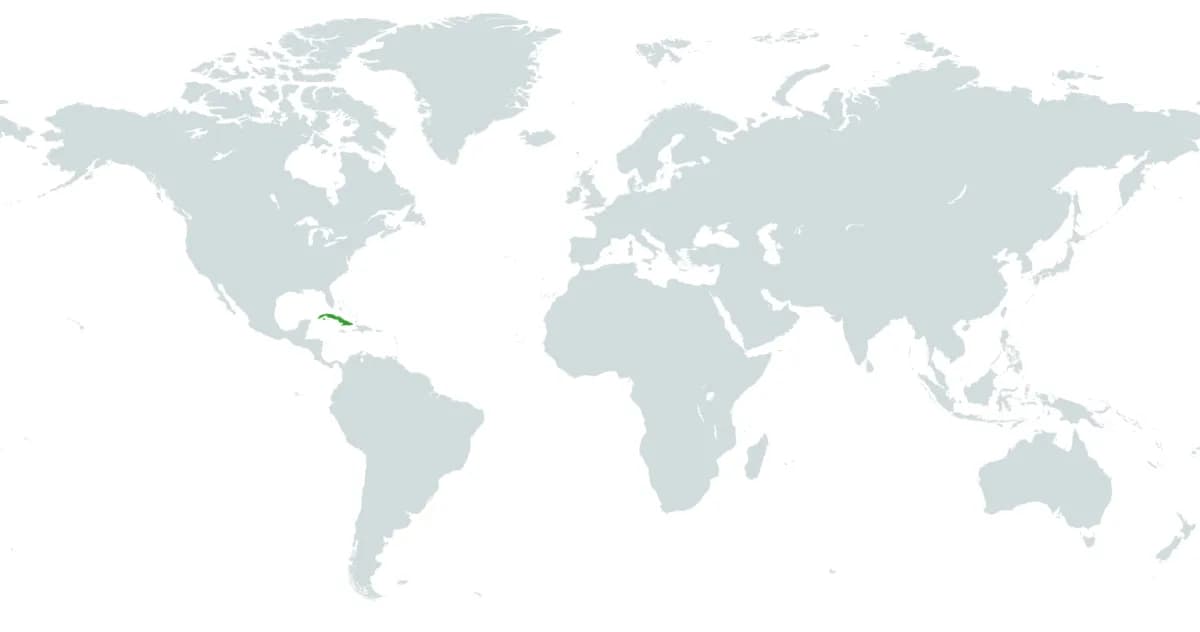
Cuban crocodile
Crocodylus rhombifer


Critically endangered · IUCN Red List
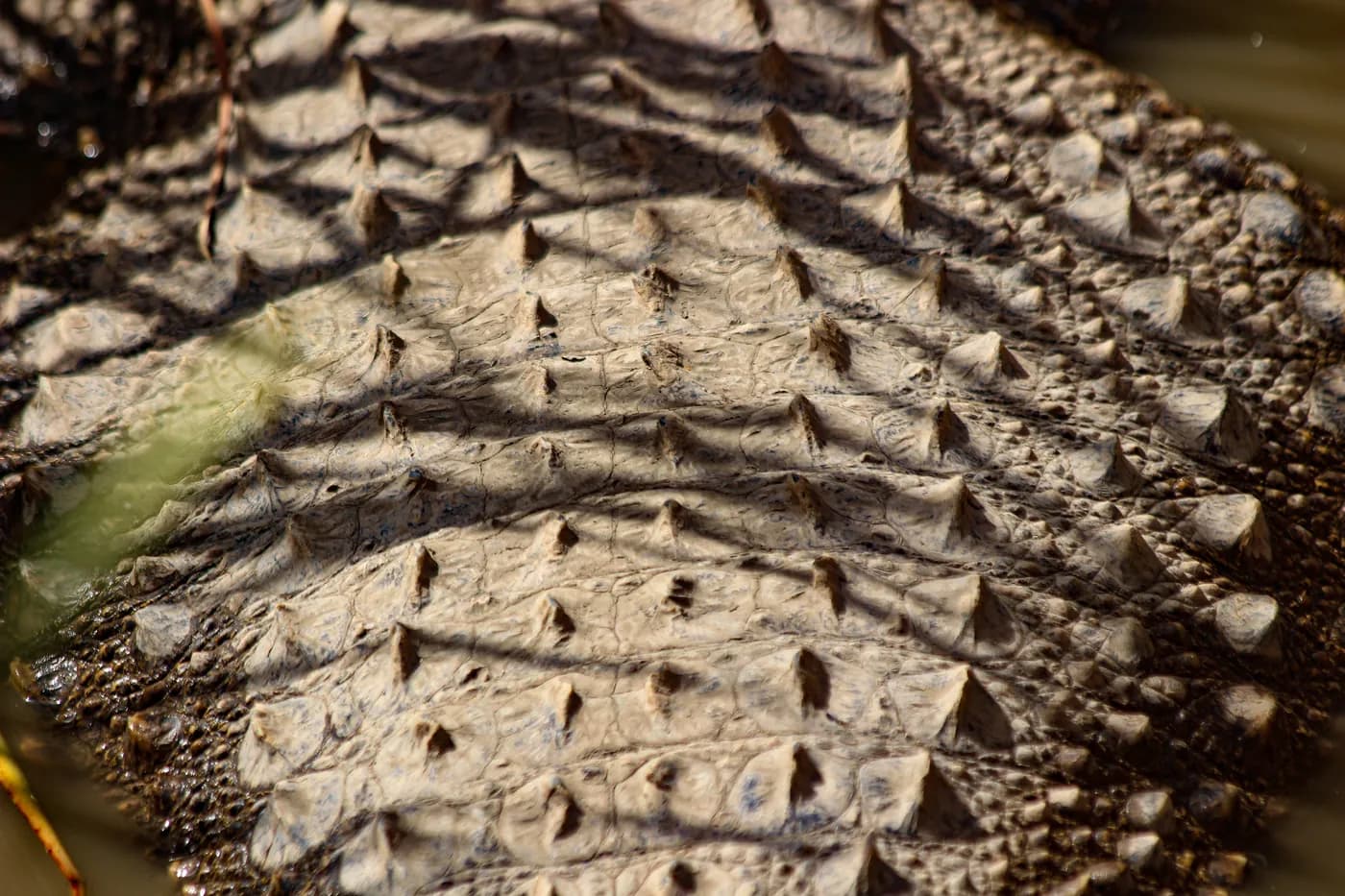
The Cuban crocodile has sharp, conical teeth, thick, scaly skin covered with bony plates, a strong, muscular tail, and eyes and nostrils on the top of the head.
- Lifespan
- 50–70 years
- Weight
- 70–80 kg
- Length
- 2–3 m


Get to know it
How it lives, what it eats and what puts it at risk. Open whatever interests you most.
Breeding of the Cuban Crocodile begins in May and lasts until August or September. Conditions, such as the availability of nesting materials, determine whether they dig nests in the ground or build mounds. They usually lay 30 to 40 eggs, which hatch in 58 to 70 days.
The Cuban crocodile shows a number of adaptations that make it more terrestrial and intelligent than most crocodiles. This is thought to be due to the original absence of carnivorous mammals in Cuba, which it supplanted. In addition to being the main native predator of birds and small mammals on the island, it also regularly consumes fish and other aquatic animals.
The Cuban crocodile feeds mainly on fish, turtles and small mammals. Juveniles consume small fish, arthropods and crustaceans. In addition, they have blunt posterior teeth that help them crush turtle shells.
Their survival is endangered due to habitat loss, illegal hunting and hybridisation with other crocodile species.