Tauraco Cariblanco

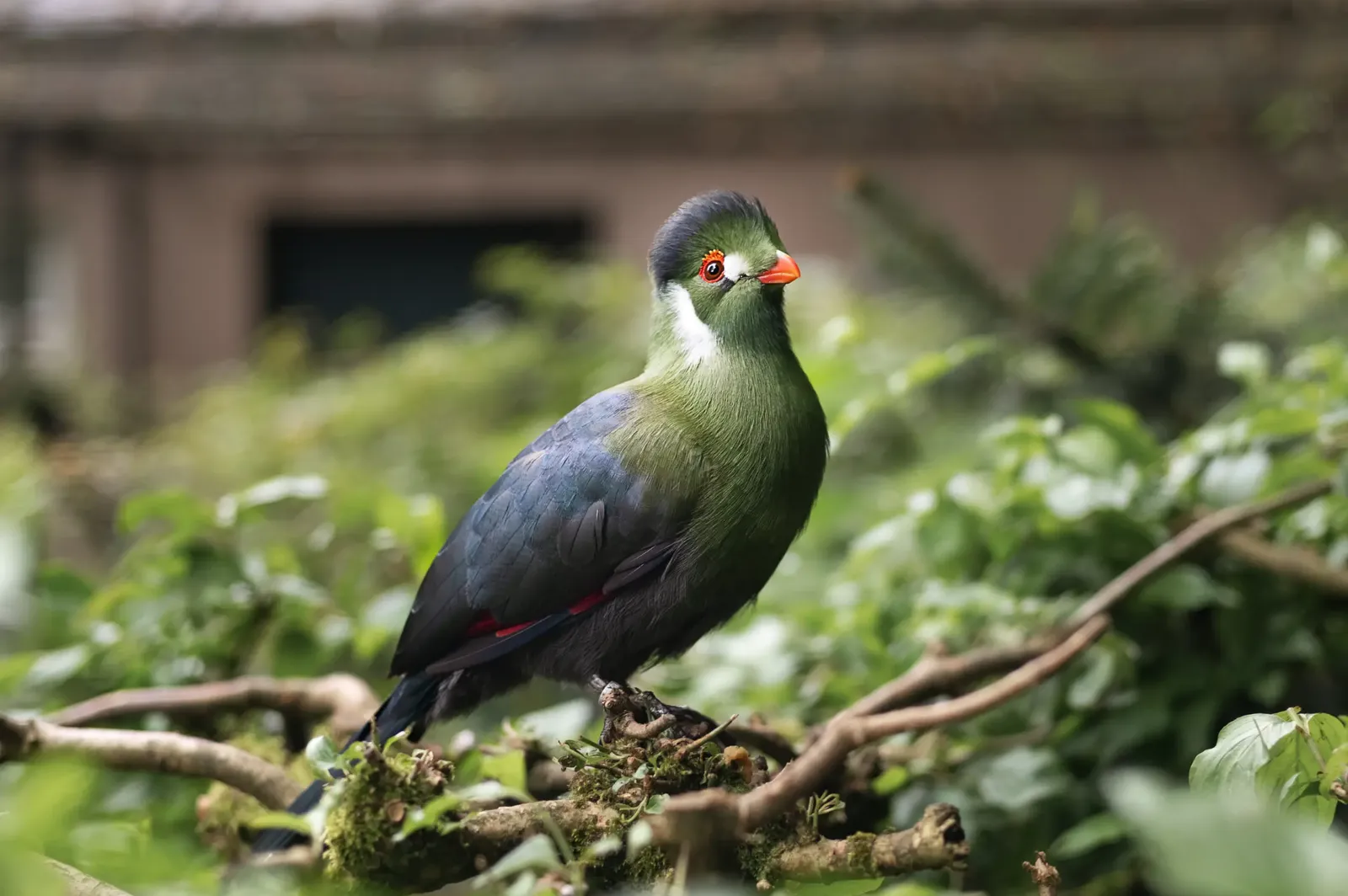
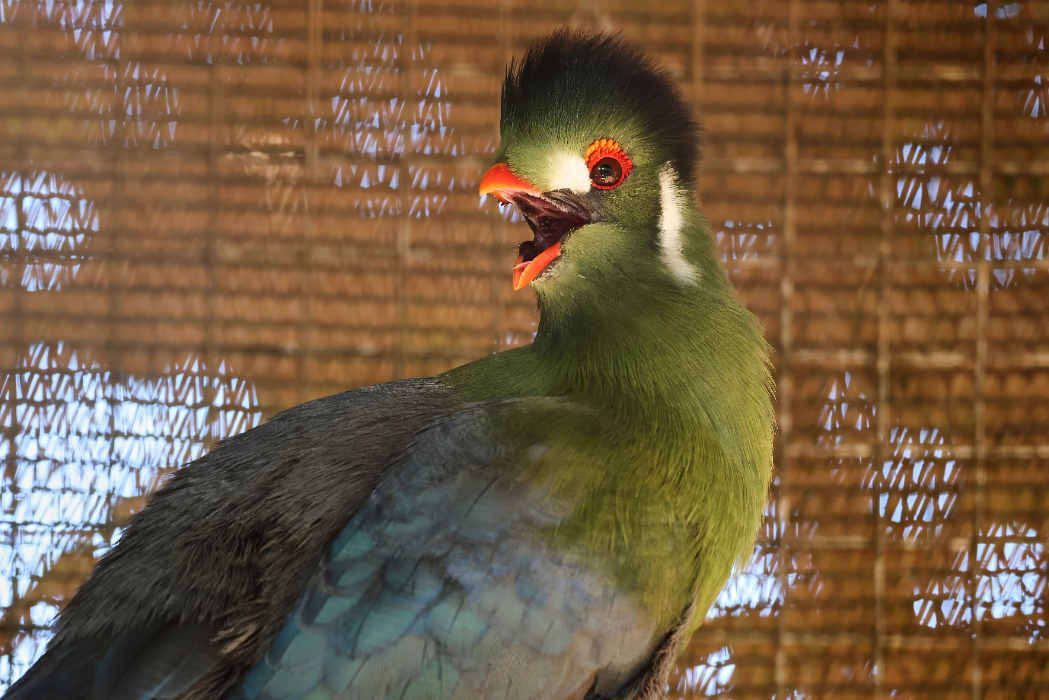
The plumage of the white-faced tauraco is remarkable for its colouring and distinctive patterns.Its head and neck are bright white, while its back and wings are emerald green.In addition, it has a black stripe on the upper breast and a red throat patch.The tail feathers are long and pointed, with a dark blue hue.Overall, its appearance is striking and attractive.

Longevity

10 years

Weight

200-315 gr

Length

43 cm
LC (Least Concern)
LC (Minor Concern) Complete

The species is relatively secure in the wild and faces no immediate risk of extinction.

Reproduction

The breeding season starts between July and November (earlier than April in Eritrea). It builds nests of twigs high up in trees, where the female lays two eggs that both parents incubate for about twenty days. The chicks hatch with brown down and open eyes.

Behaviour

It is an arboreal bird that spends most of the day foraging in trees. It uses flight to move to nearby branches and avoids long-distance flights. It lives in pairs or small groups.

Threats

The White-faced Turaco hybridises with Ruspoli's Turaco in areas where their ranges overlap, raising concerns about the conservation of the latter species, which is at risk of extinction.

Feeding

Its diet is mainly based on fruits and berries from the conifers where it lives. It also eats shoots, leaves, flowers and insects.

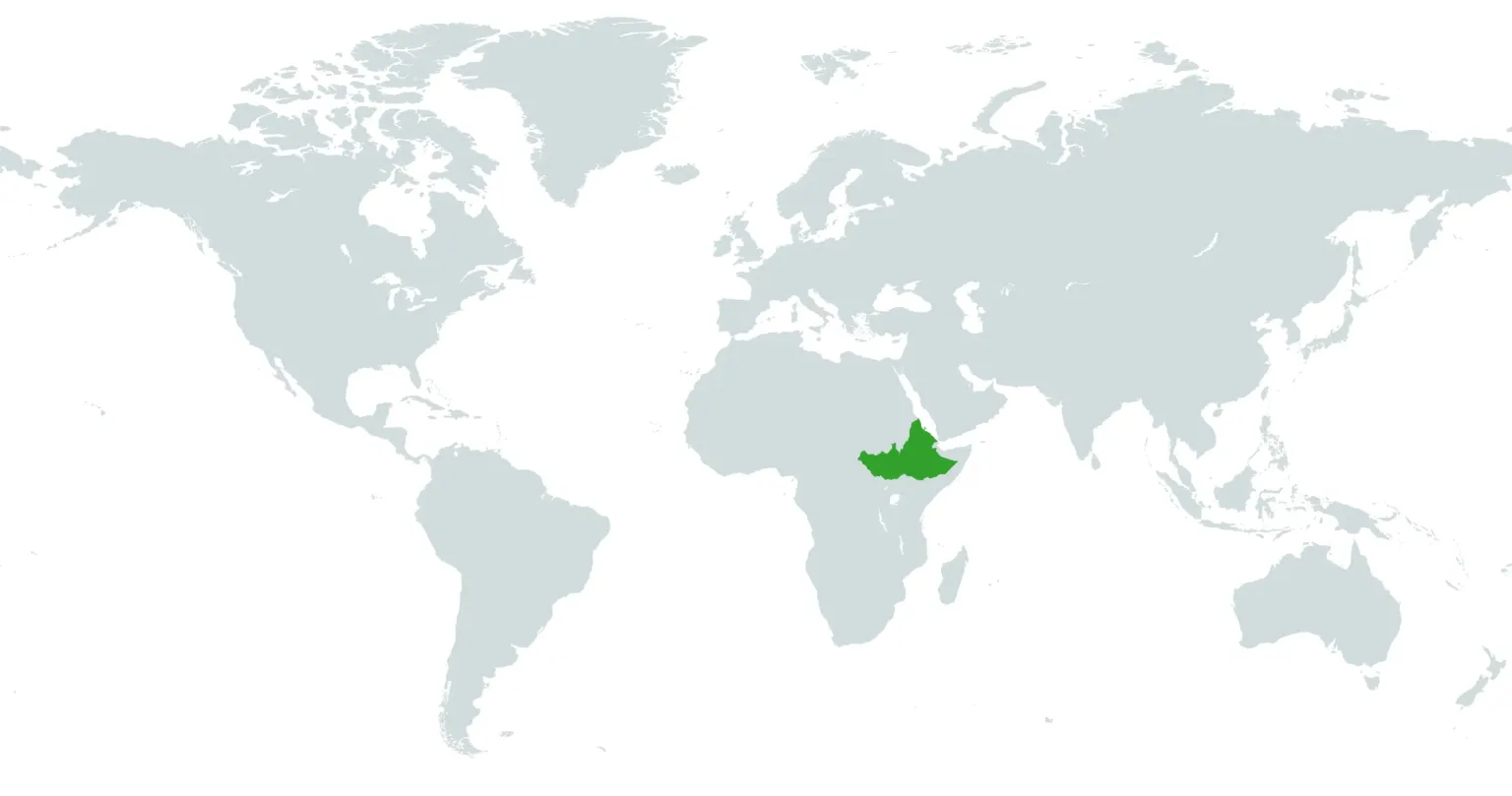
Distribution

Geographic Map
VU (Vulnerable)
VU (Vulnerable) Complete

It is at high risk of extinction in the medium term.

NT (Near Threatened)
NT (Near Threatened) Complete

It is not yet at risk, but could be soon if conditions worsen.

ALL

Not Used

EX (Extinct)
EX (Extinct) Complete

There are no longer any living individuals of the species.

EW (Extinct in the wild)
EW (Extinct in the wild) Complete

Only specimens survive in captivity or in scientific collections.

EN (Endangered)
EN (En Perilous) Complete

It has a very high risk of disappearing in the wild if conservation measures are not taken.

CR (Critically Endangered)
CR (Critically Endangered) Complete

It faces an extremely high risk of extinction in the near future.