Squirrel Monkey

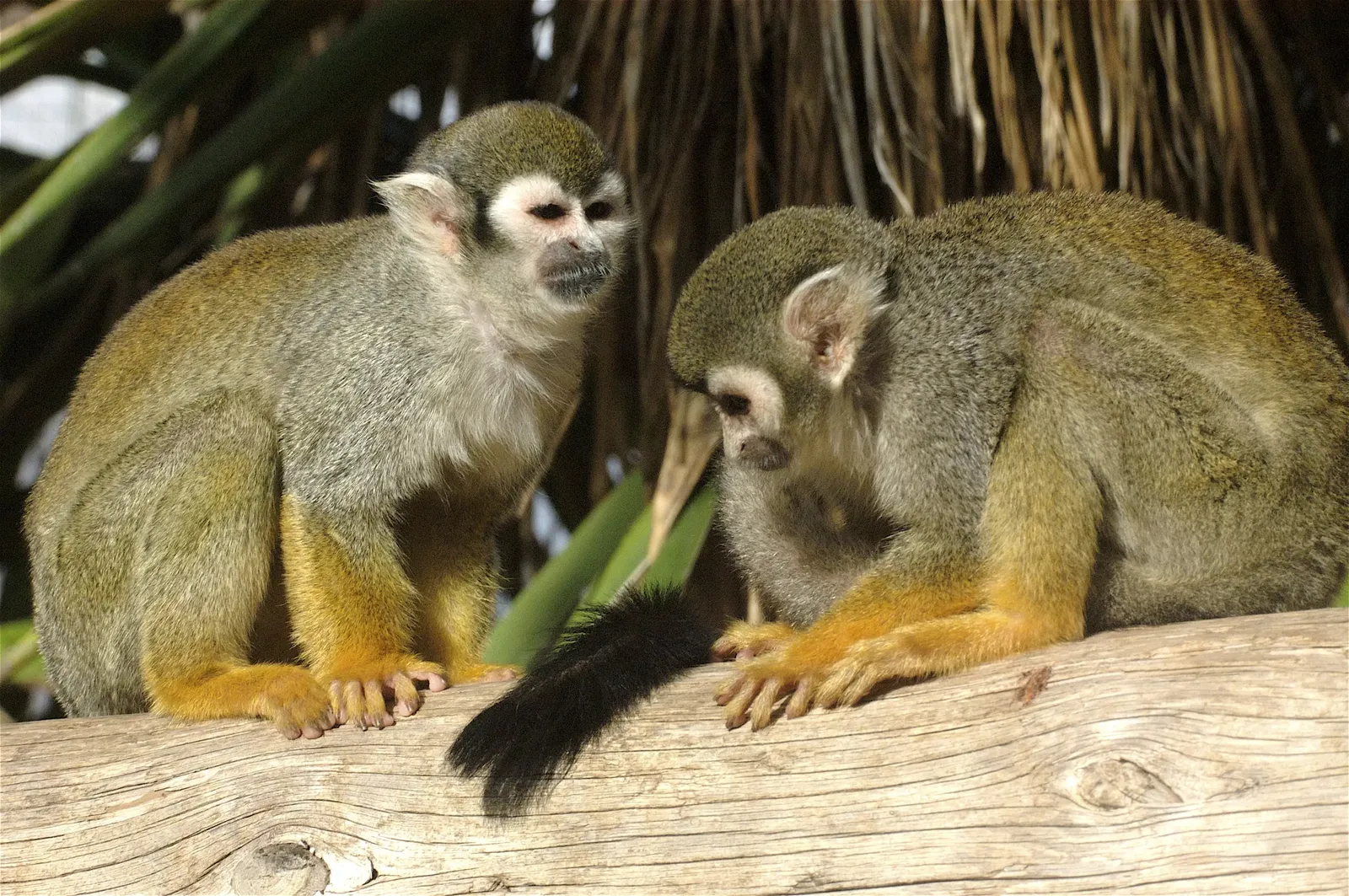
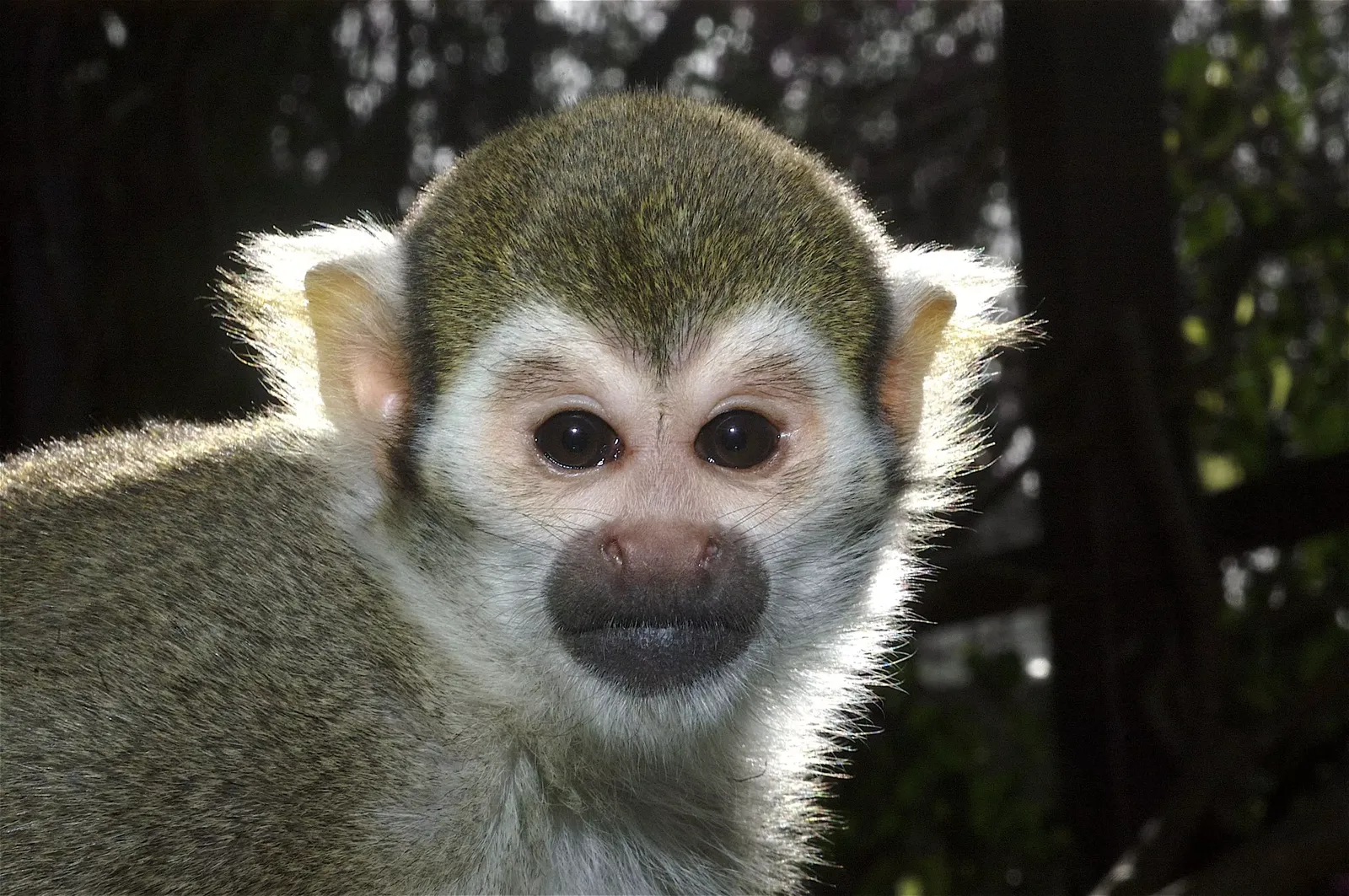
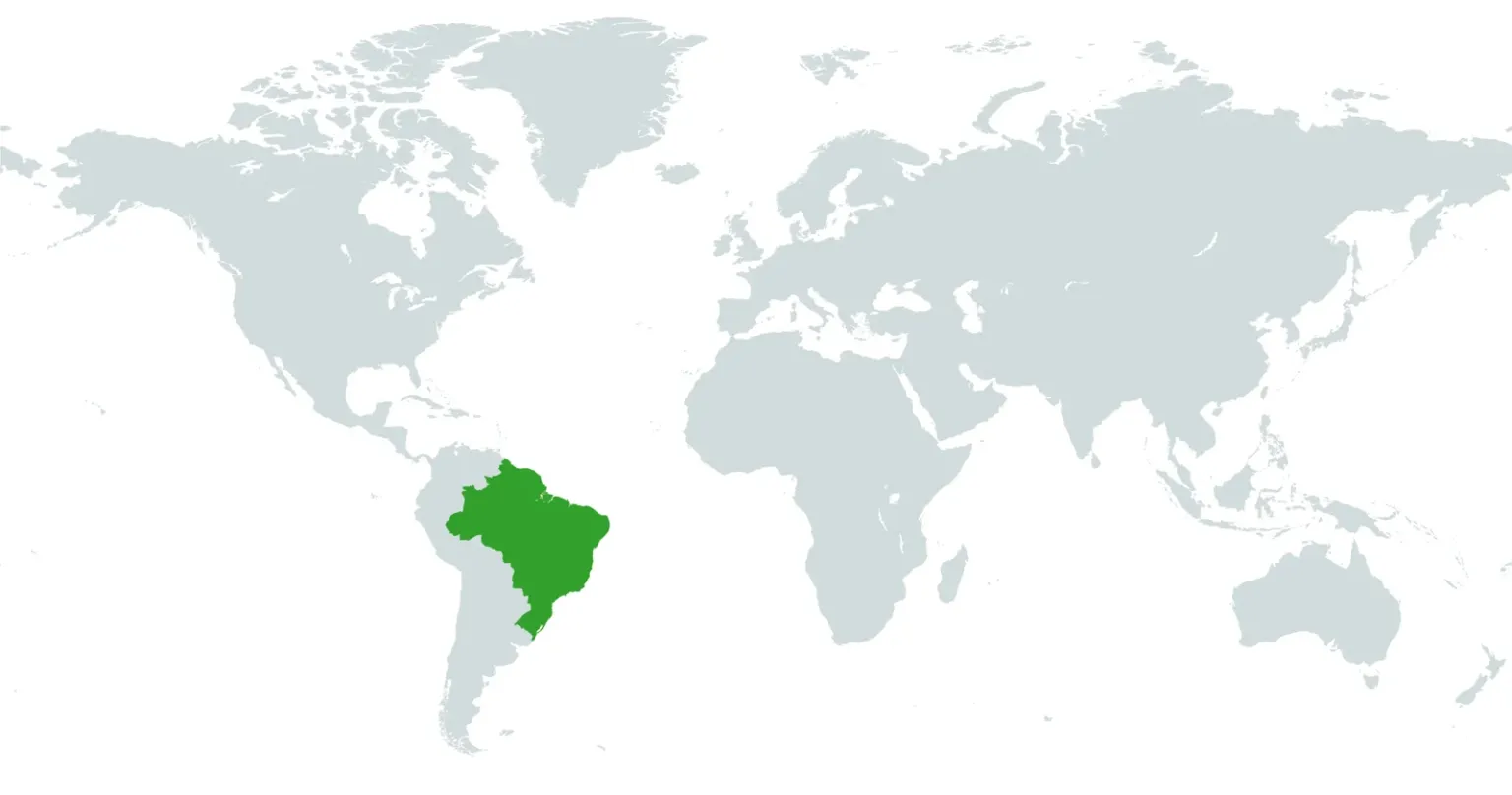
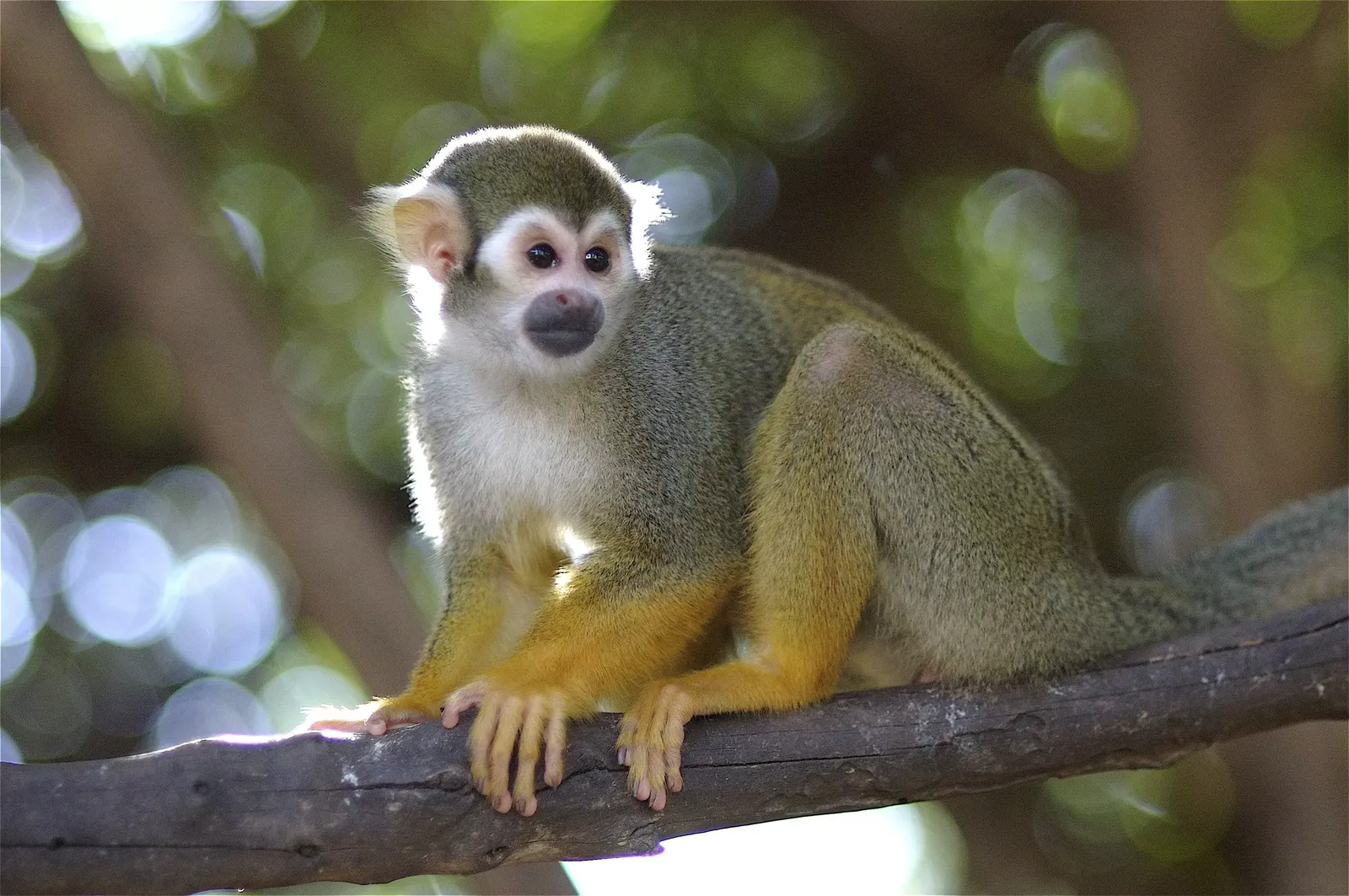
The Saimiri sciureus, also known as the common squirrel monkey, is a neotropical primate found mainly in the Amazon basin. They are recognisable by their olive-green fur, black and white face and long, furry tail.

Longevity

15-25 years

Weight

0,5-1 kg

Length

25-40 cm
LC (Least Concern)
LC (Minor Concern) Complete

The species is relatively secure in the wild and faces no immediate risk of extinction.

Reproduction

Gestation lasts almost six months, after which the calf is born; the males are not involved in rearing and other females in the group assist the mothers in caring for the baby saimiri. Weaning occurs at six months, and sexual maturity occurs between two and a half and four years.

Behaviour

They are very social animals, living in troops (family groups) that generally consist of around 40-50 individuals. This primate is quadrupedal, moving in this way through the forest. When it needs to move between branches, it does so by jumping. Its habit is generally arboreal, occasionally coming down to the ground to forage or to play with other members of its group.

Threats

Among its main threats are trafficking and illegal possession, deforestation, oil activity and the mining industry.

Feeding

It is an omnivorous animal that feeds on fruits, leaves, flowers, seeds, green shoots, nectar, small insects and even bird and small vertebrate eggs.

Distribution

Geographic Map
VU (Vulnerable)
VU (Vulnerable) Complete

It is at high risk of extinction in the medium term.

NT (Near Threatened)
NT (Near Threatened) Complete

It is not yet at risk, but could be soon if conditions worsen.

ALL

Not Used

EX (Extinct)
EX (Extinct) Complete

There are no longer any living individuals of the species.

EW (Extinct in the wild)
EW (Extinct in the wild) Complete

Only specimens survive in captivity or in scientific collections.

EN (Endangered)
EN (En Perilous) Complete

It has a very high risk of disappearing in the wild if conservation measures are not taken.

CR (Critically Endangered)
CR (Critically Endangered) Complete

It faces an extremely high risk of extinction in the near future.