
Degu

It is one of four species of South American rat-like rodents.Its fur is yellow-brown on the back and head, while the underparts and feet are cream-coloured.
Longevity
13 years
Weight
170-300 gr
Length
325-440 cm
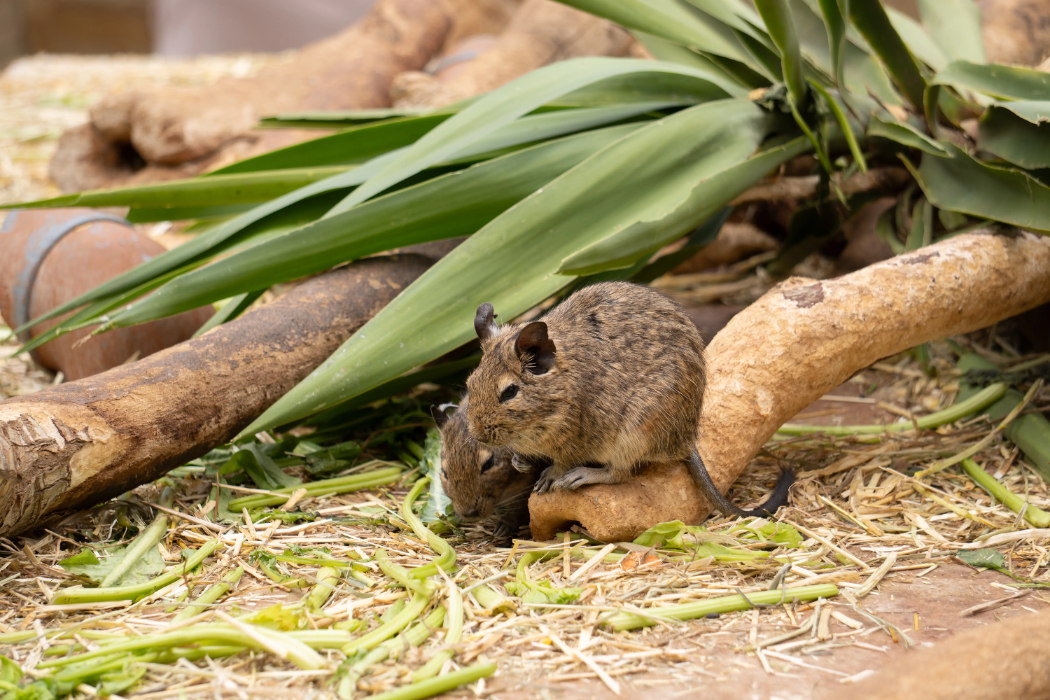
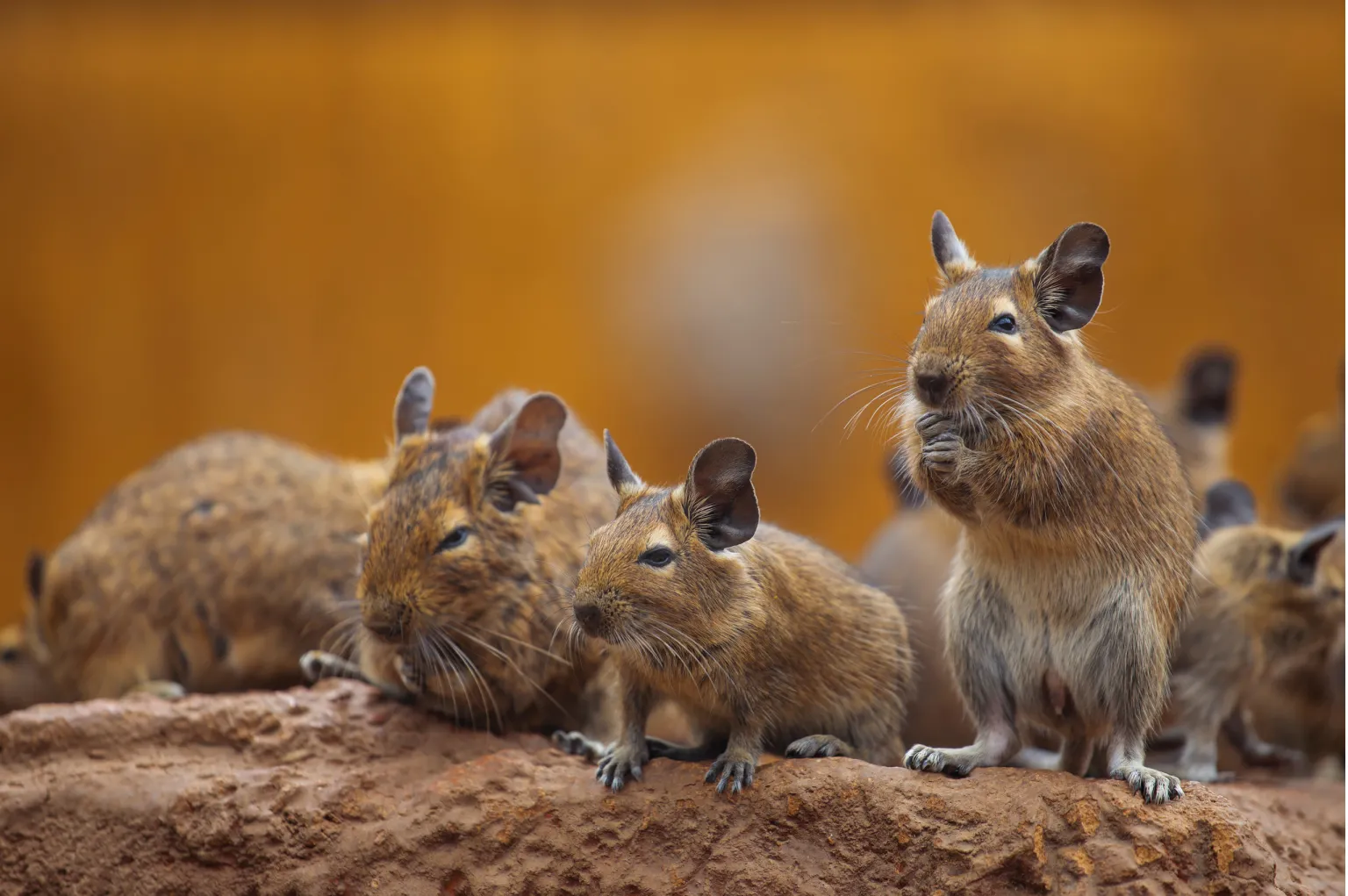
It is one of four species of South American rat-like rodents.Its fur is yellow-brown on the back and head, while the underparts and feet are cream-coloured.
13 years
170-300 gr
325-440 cm






The species is relatively secure in the wild and faces no immediate risk of extinction.
Degus breed once a year, usually at the beginning of the rainy season, which coincides with the onset of winter in the southern hemisphere. Gestation lasts about three months, and the young are born with their eyes open, covered with fur and able to perceive sounds. Weaning lasts about four weeks, and a litter may consist of 4 to 9 individuals, although the average is four to five young.
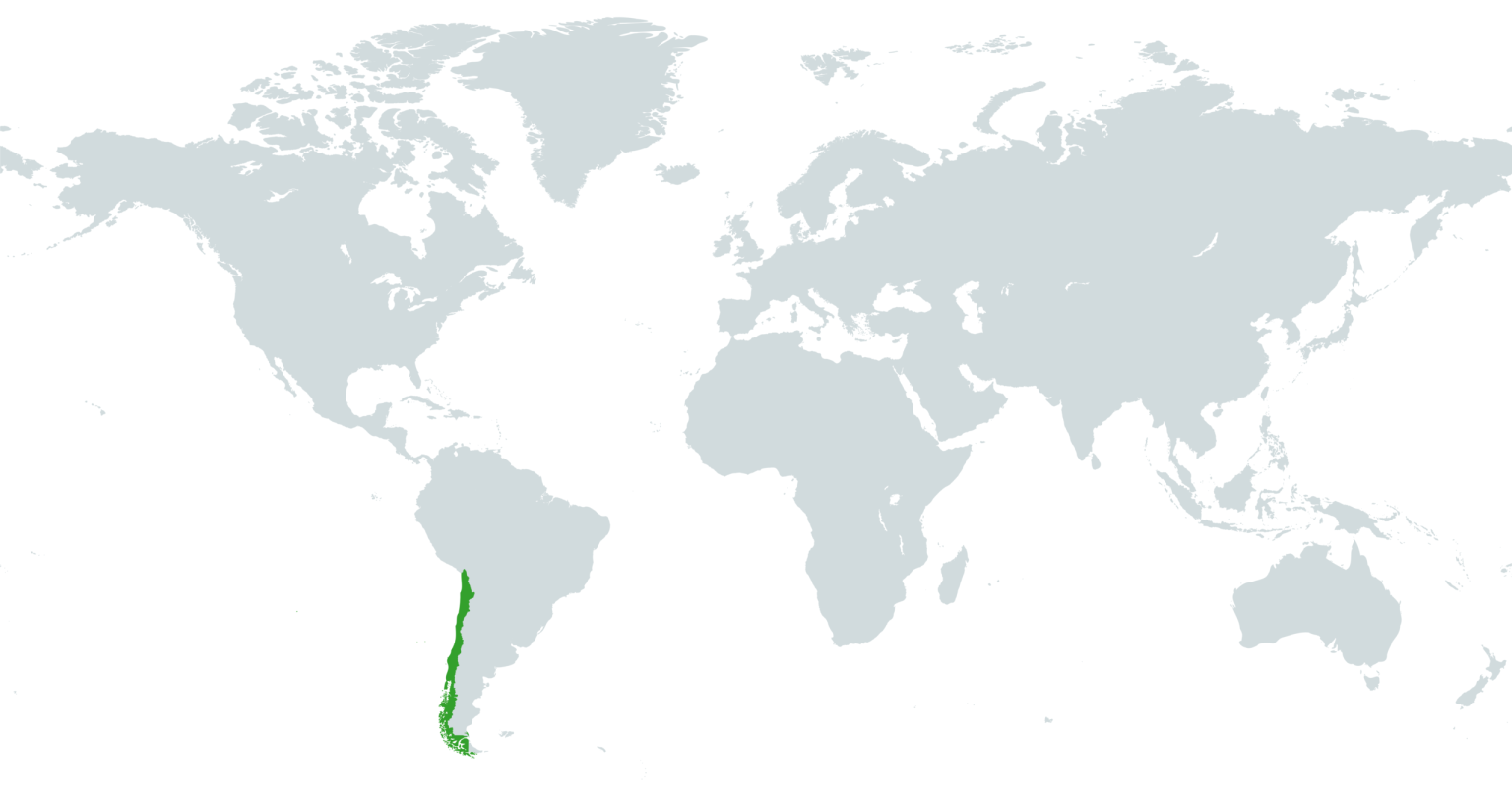
They naturally inhabit northern and western Chile, on the western slopes of the Andes up to 1200m. They are active during the day, colonial and excavate elaborate burrow systems. Feeding on the ground and climbing branches, they eat leaves, bark, seeds and fruits.
Degus face challenges such as habitat loss, overexploitation of species, pollution, invasive species and climate change. These threats affect their survival and biodiversity in general.
They are herbivores and feed on leaves, bark and seeds of shrubs and grasses. They prefer young leaves and avoid woody shrubs.

It is at high risk of extinction in the medium term.

It is not yet at risk, but could be soon if conditions worsen.

Not Used

There are no longer any living individuals of the species.

Only specimens survive in captivity or in scientific collections.

It has a very high risk of disappearing in the wild if conservation measures are not taken.

It faces an extremely high risk of extinction in the near future.