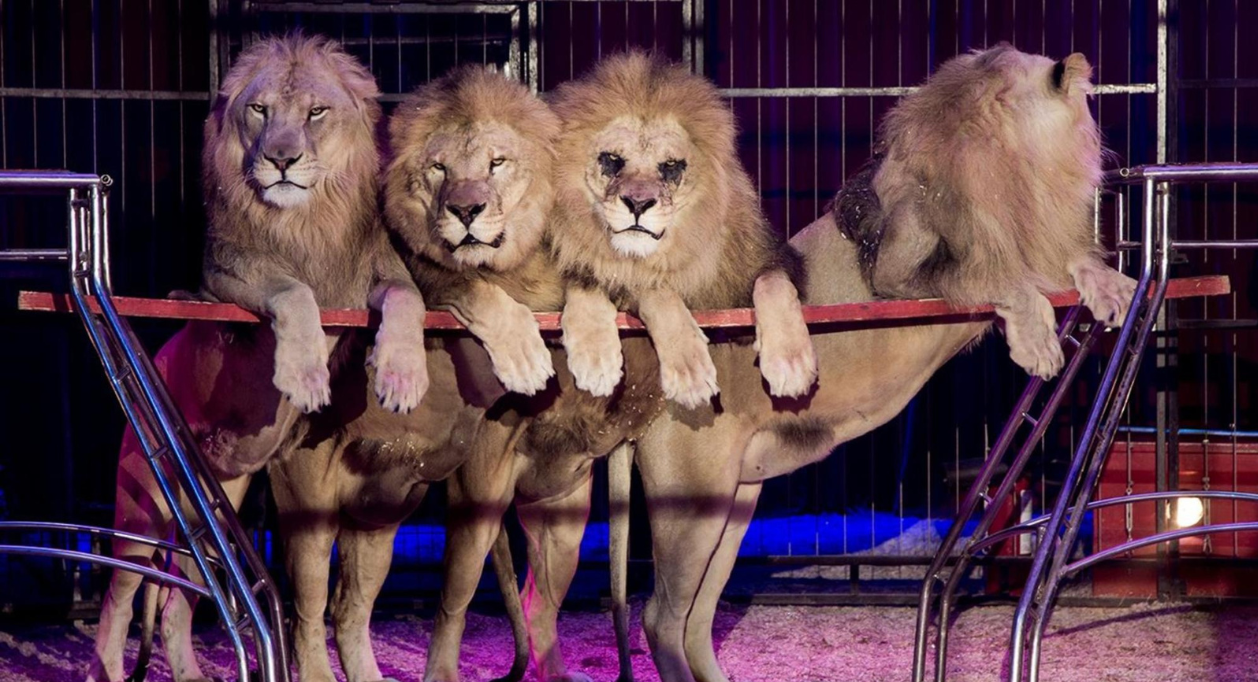
Animal Welfare in the Spotlight: Why Monkey Park Says «No» to Animal Shows.
In a world where animal welfare awareness is growing every day, modern zoos face a crucial challenge: balancing education and conservation with absolute respect for the creatures they protect. At Monkey Park, We have chosen a differentiating path: to eliminate animal shows from our philosophy from the outset. In this article, we explore how this decision positively impacts the physical and emotional health of the animals, and why it represents an ethical model for the future of zoos.
1. No Stress, No Pressure: Mental Health as a Priority
Animal shows, while entertaining for the public, often involve repetitive routines, forced training and constant exposure to crowds. Scientific studies, such as those published in Applied Animal Behaviour Science, The results of the study show that these practices increase cortisol (the stress hormone) levels in animals, which can lead to stereotypic behaviours, such as pacing or self-harm.
At Monkey Park, by never doing shows, we allow the animals to live without pressure. Without strict schedules or performance expectations, they can decide when to rest, explore or interact with their environment. This freedom reduces chronic stress and fosters more balanced emotional states, especially critical for sensitive species like primates.
Natural Movement vs. Artificial Routines
In the wild, animals spend hours on essential activities: searching for food, marking territories or socialising. Shows, however, often replace these behaviours with unnatural choreography. In the long term, this can weaken their physical condition and undermine their instincts.
Our approach is based on environmental enrichment: structures that simulate natural challenges (such as climbing platforms for monkeys or hiding places with food) keep the animals physically active and mentally stimulated. By not forcing them to perform tricks, we preserve their motor integrity and avoid injuries associated with repetitive movements (such as forced jumping).
3. Authentic Socialisation: The Key to Your Well-being
Many species are inherently social. In traditional show environments, animals are often separated from their groups for training, disrupting hierarchical dynamics and emotional bonds. At Monkey Park, by prioritising their autonomy, we facilitate spontaneous interactions between individuals. This not only strengthens their social skills (crucial for their survival in reintroduction programmes), but also reduces stress-related conflicts.
4. Education without Exploitation: A Sustainable Model
How to educate without spectacle? The answer lies in respectful observation. Our visitors learn about wildlife through talks with keepers, interactive posters and spaces designed to observe natural behaviours. For example, instead of watching a parrot recite phrases, guests discover how it uses its beak to crack nuts in adapted habitats.
This model is not only more ethical, but also more educational. According to the World Association of Zoos and Aquariums (WAZA), visitors retain information better when they see animals acting in a genuine way, which generates more empathy towards their conservation.
5. Monkey Park: A Sanctuary of Choices
What defines us is respect for animal agency. In our habitats, animals decide:
- When to interact: There are no mandatory visitor contact sessions.
- How to explore: Enclosures include private areas where you can retreat if you wish.
- What to learn: Training (where it exists) is voluntary and based on positive reinforcement, always linked to their veterinary care (e.g. teaching a primate to present a paw for medical checks).
Conclusion: A Future Where Animals Rule
By refusing shows, Monkey Park not only protects the health of its residents, but also redefines the role of zoos in the 21st century. We are a place where conservation, education and respect are intertwined, demonstrating that it is possible to delight the public without sacrificing animal welfare.
Visit us and discover how authenticity, not performance, is the true spectacle of nature.
Will you join our mission? Share this article to promote responsible tourism.
Want to know more about our environmental enrichment programme or collaborate with conservation projects? Explore our website or follow us on social media. At Monkey Park, every choice has a purpose.