Monkey Legs

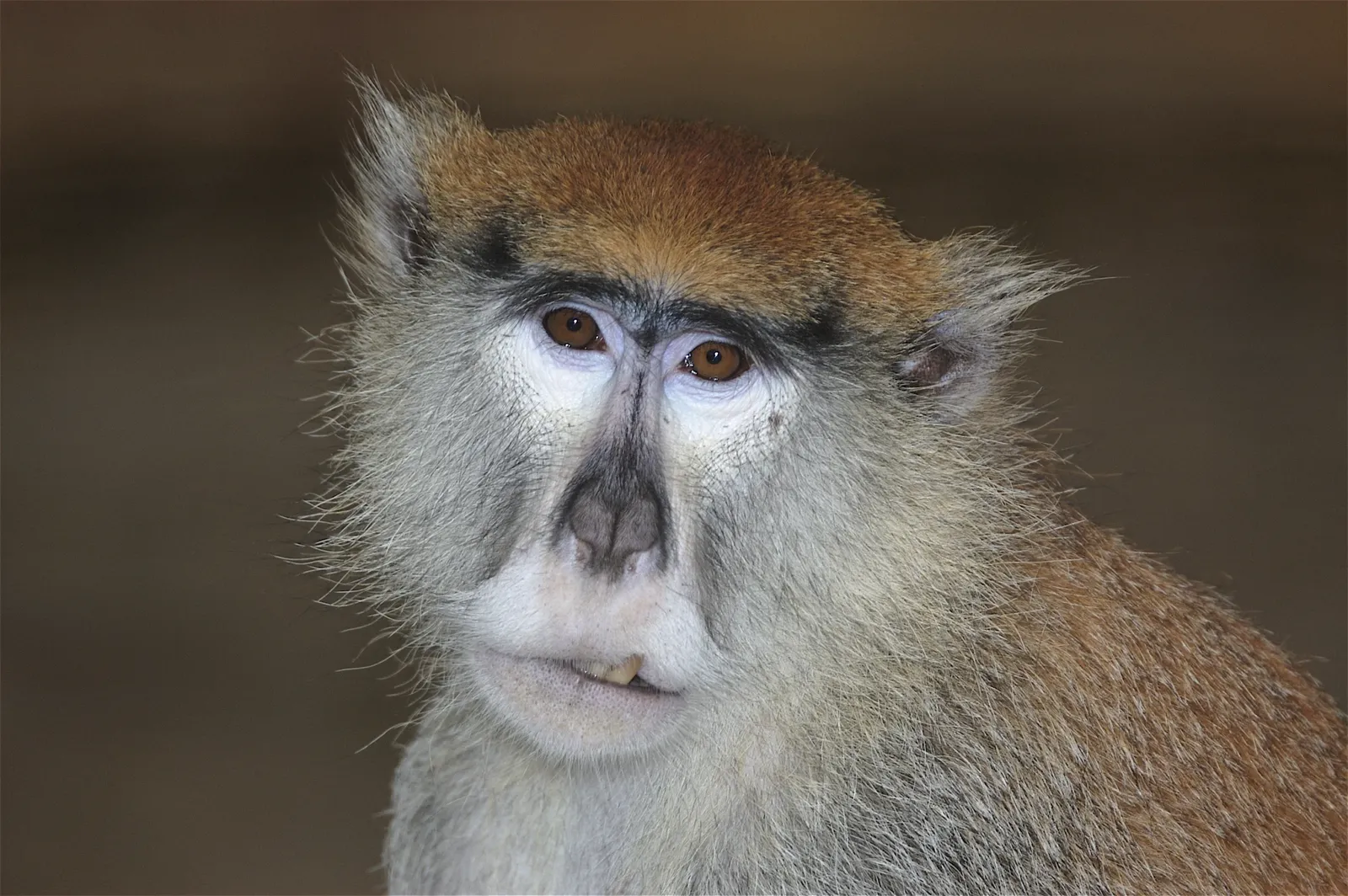
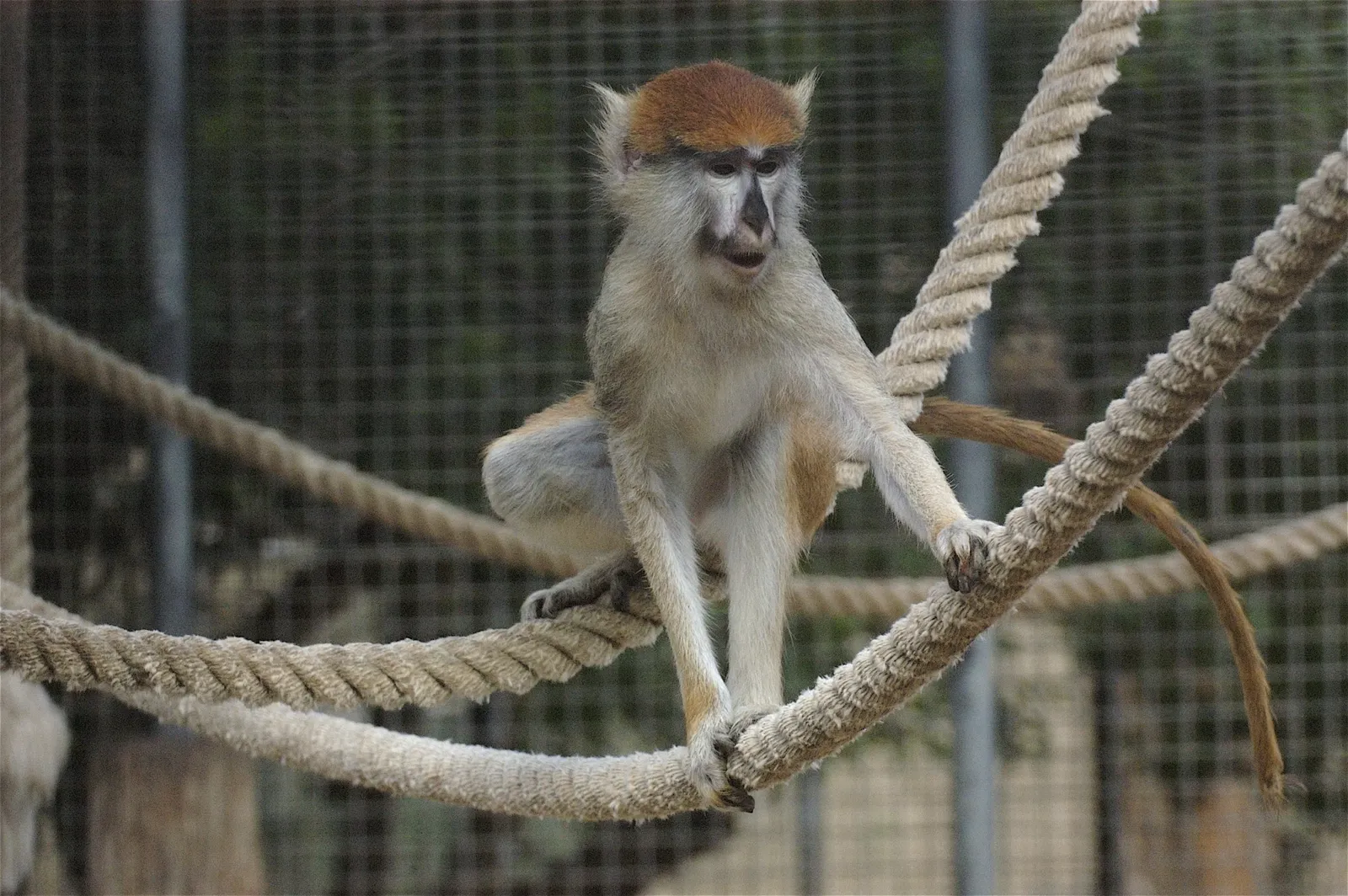
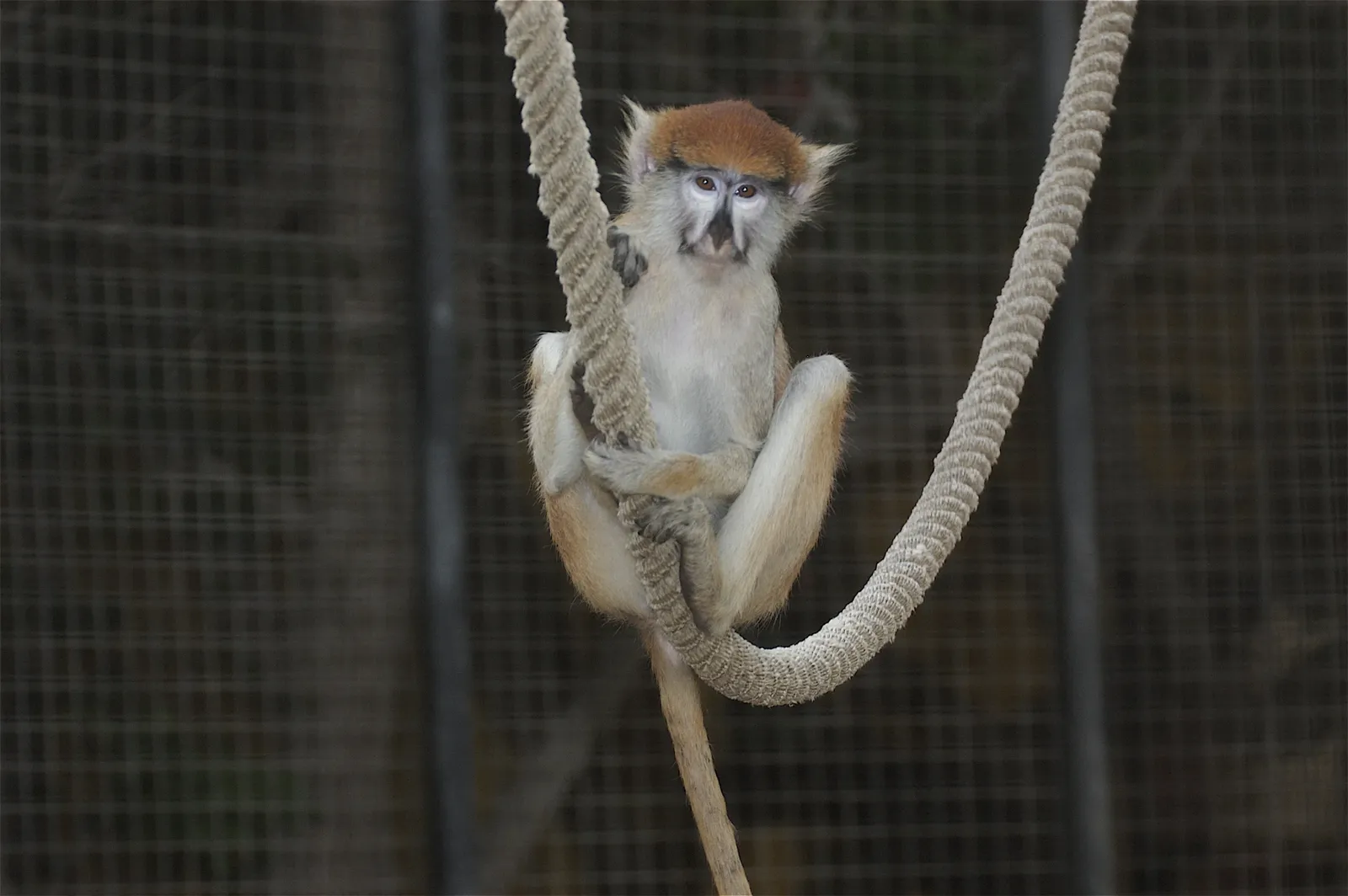
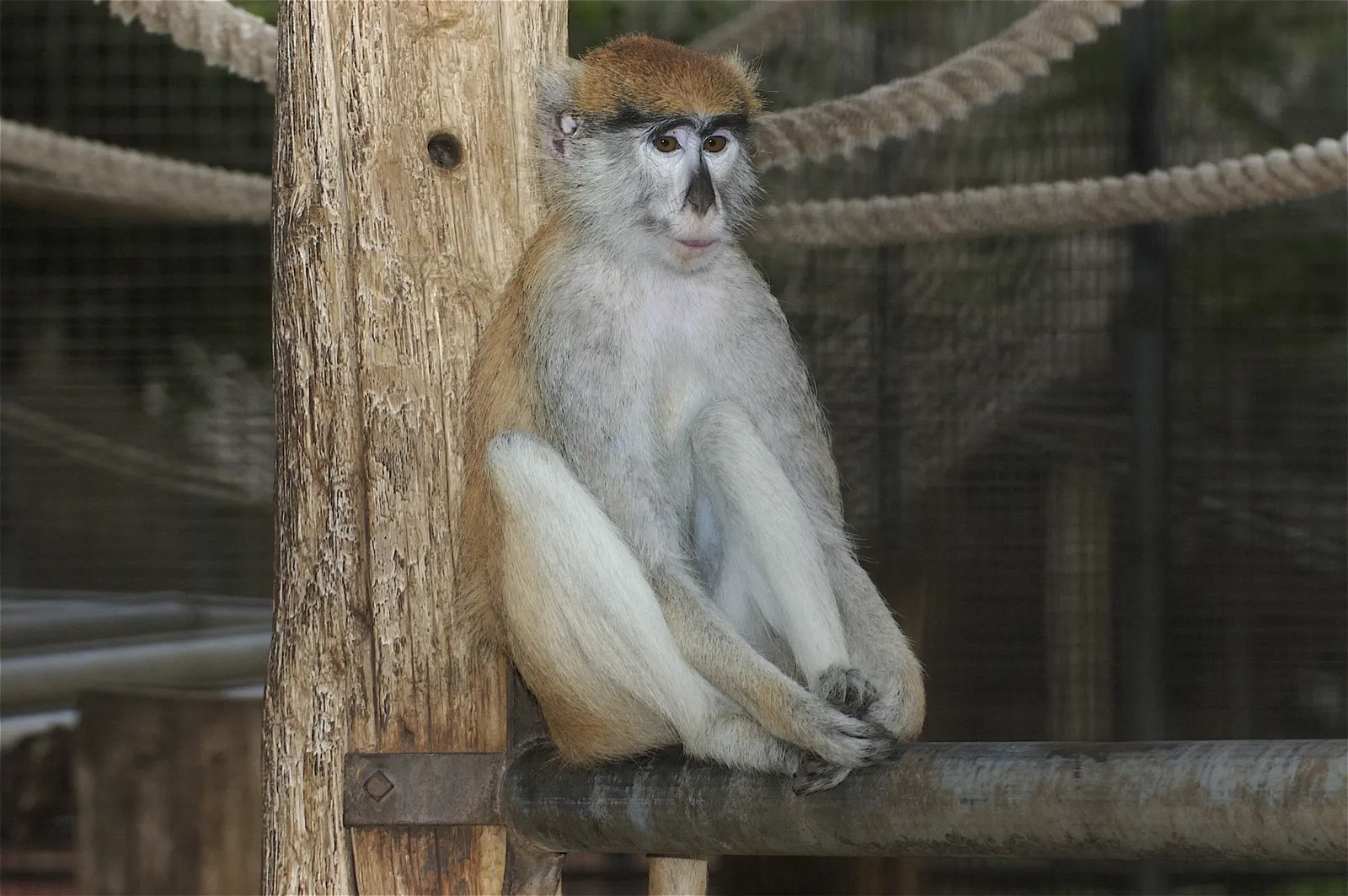
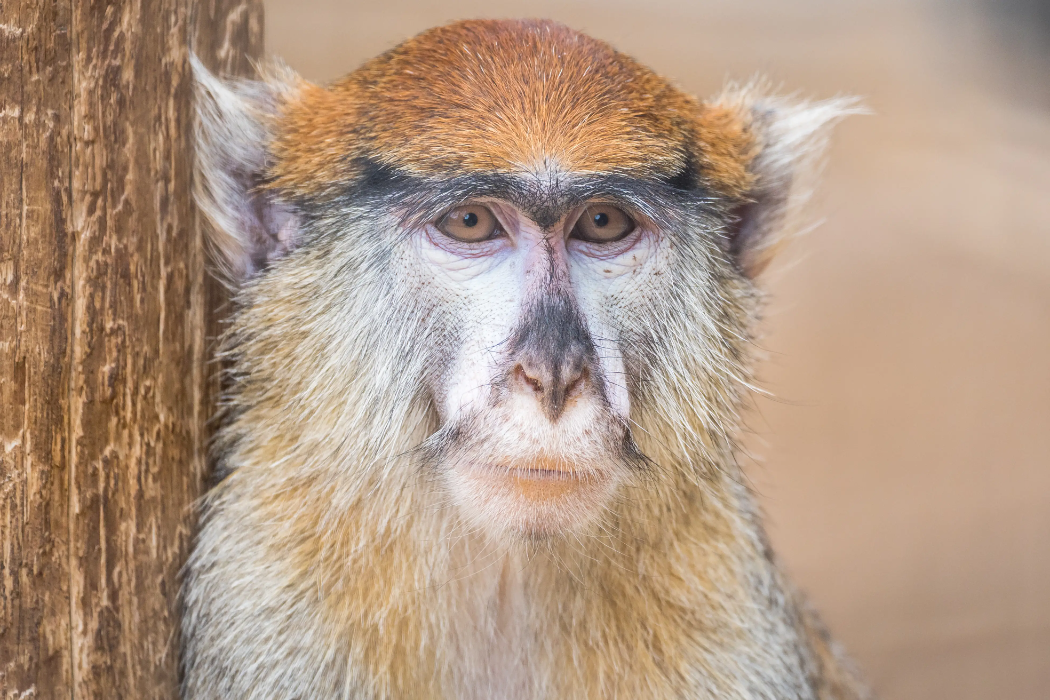
Its coat is reddish in colour, darker on the head; males have a mane, beard and whiskers.They are sexually dimorphic, with males weighing almost twice as much as females.It is the fastest primate, reaching speeds of up to 55km/h.

Longevity

20-25 years

Weight

4-13 kg

Length

1,60 m
NT (Near Threatened)
NT (Near Threatened) Complete

It is not yet at risk, but could be soon if conditions worsen.

Reproduction

Mating occurs between mid-June and the end of August, gestation lasts between 160 and 170 days.

Usually only one calf is born and during the first months it is carried by its mother.

Behaviour

These monkeys live in groups of 7 to 15 individuals, led by an old male. They are diurnal and feed mainly on insects, fruits, leaves and even eggs and small mammals. At night, they climb trees to rest.

Threats

Illegal hunting, habitat destruction and human development (urbanisation and agriculture).

Feeding

The patas monkey is omnivorous and its diet varies according to habitat and season. It mainly feeds on fruit, but may also consume plants and invertebrates. In addition, it occasionally feeds on insects, lizards, eggs and small mammals.

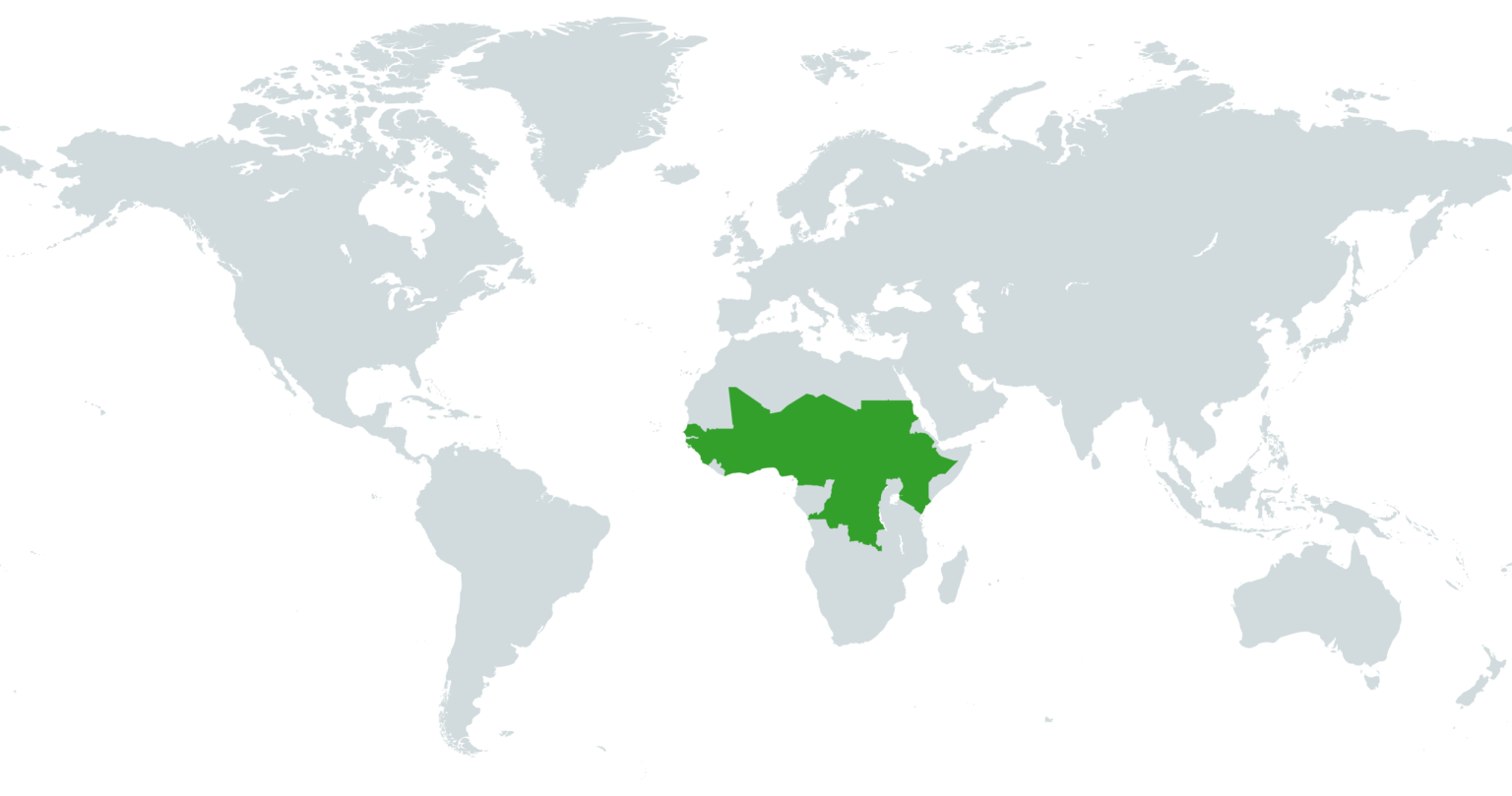
Distribution

Geographic Map
VU (Vulnerable)
VU (Vulnerable) Complete

It is at high risk of extinction in the medium term.

ALL

Not Used

EX (Extinct)
EX (Extinct) Complete

There are no longer any living individuals of the species.

EW (Extinct in the wild)
EW (Extinct in the wild) Complete

Only specimens survive in captivity or in scientific collections.

EN (Endangered)
EN (En Perilous) Complete

It has a very high risk of disappearing in the wild if conservation measures are not taken.

CR (Critically Endangered)
CR (Critically Endangered) Complete

It faces an extremely high risk of extinction in the near future.

LC (Least Concern)
LC (Minor Concern) Complete

The species is relatively secure in the wild and faces no immediate risk of extinction.