Mongoose lemur
Eulemur mongoz


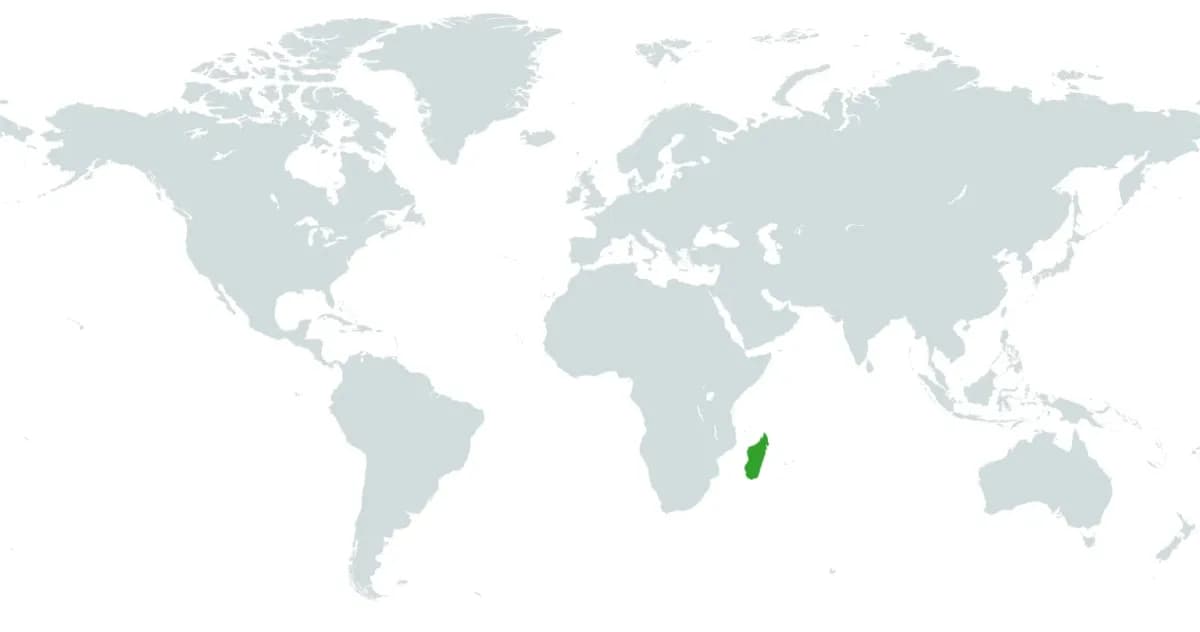
Critically endangered · IUCN Red List
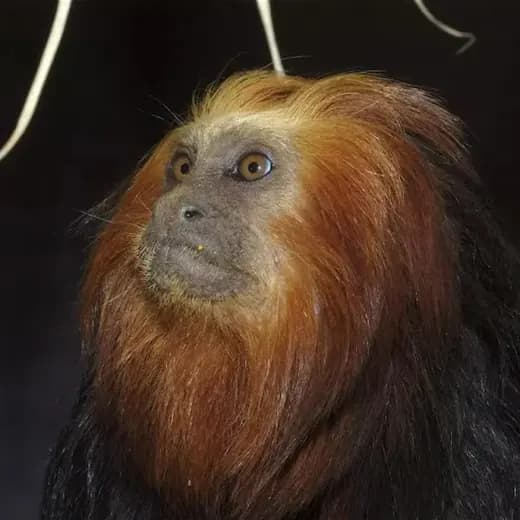
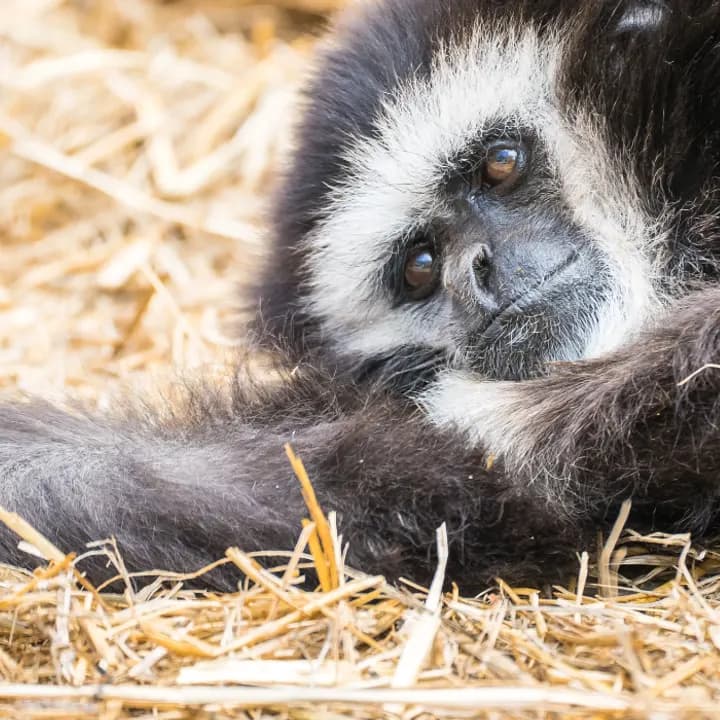
These lemurs are noted for their small size, soft fur and colours that vary according to species, from shades of grey to brown or beige. They have a charming appearance with large, expressive eyes and a long, prehensile tail that helps them move nimbly through the trees.
- Lifespan
- 15–25 years
- Weight
- 1.5–2.5 kg
- Length
- 50–60 cm


Get to know it
How it lives, what it eats and what puts it at risk. Open whatever interests you most.
The breeding season generally occurs between September and October. Females give birth to a litter of 1-2 young after a gestation period of approximately 4 months. The young are carried on the mother's belly for the first few weeks and then cling to her back as she moves around.
Mongoose Lemurs are social animals that live in close-knit family groups. You will observe how they interact with grace and affection, communicating through soft vocalisations and delicate gestures. They are known for their ability to leap and climb trees with dexterity, allowing them to forage for food and escape predators.
They are mainly frugivorous, meaning that they feed mainly on fruit. They also consume leaves, flowers, nectar and insects.
Habitat loss due to deforestation and illegal hunting are the main threats to this species.