Military macaw
Ara militaris


Vulnerable · IUCN Red List
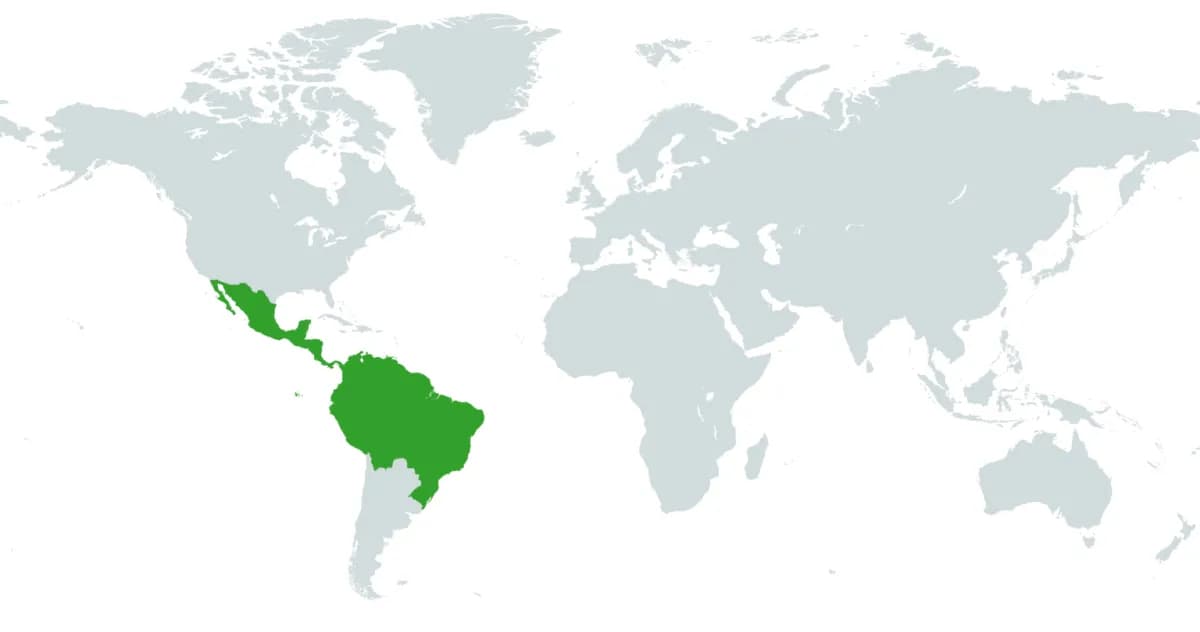
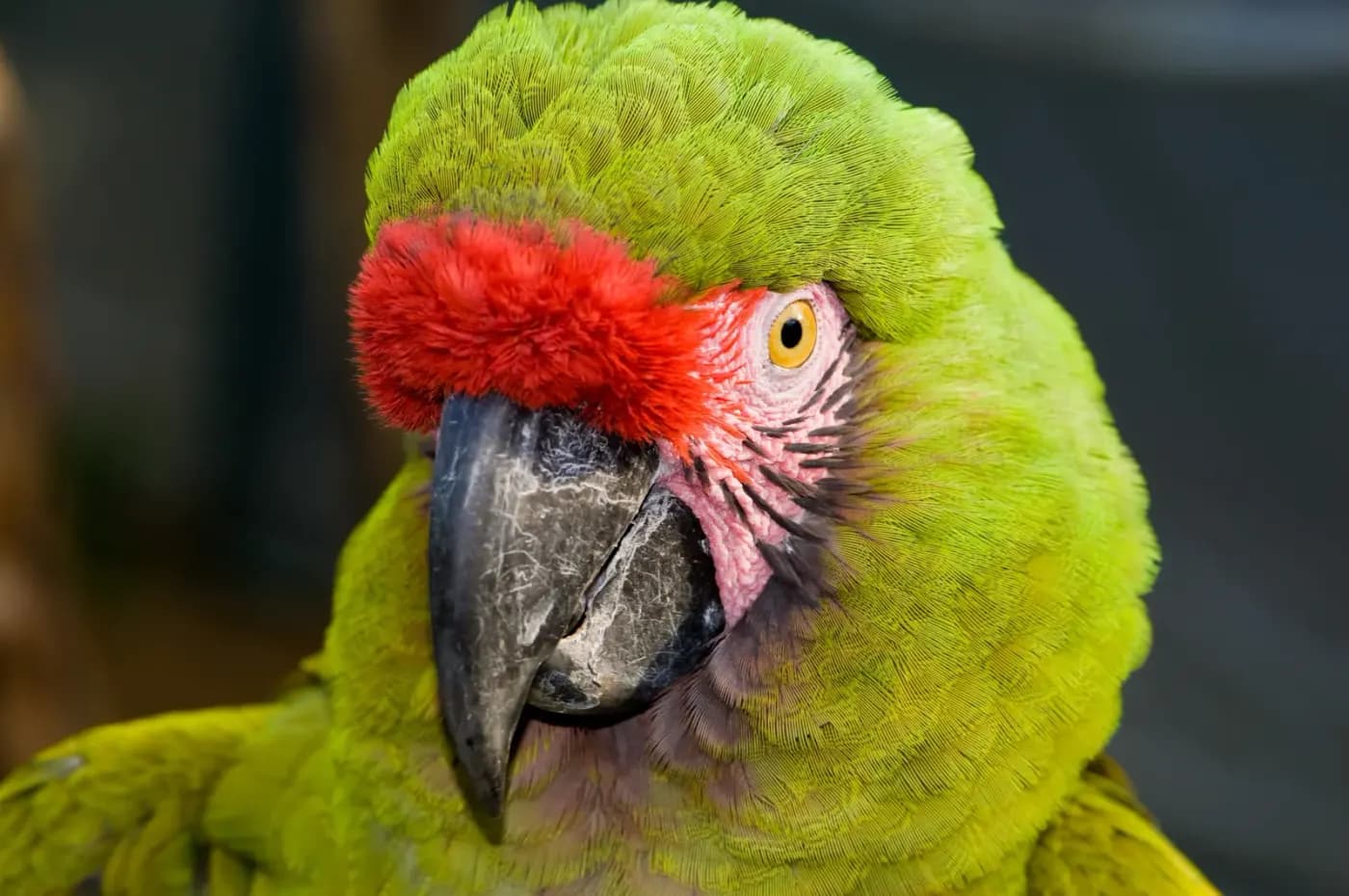
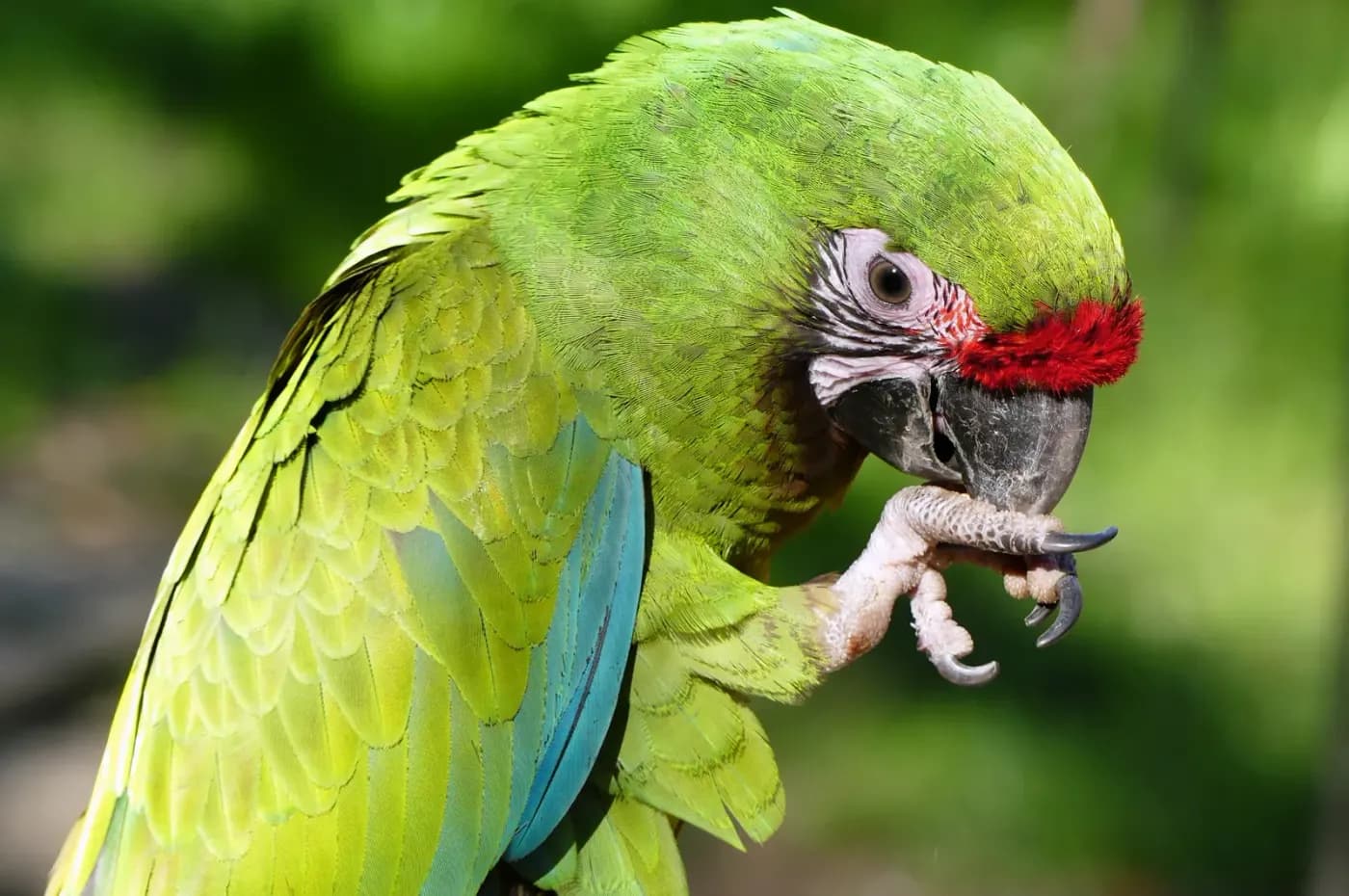
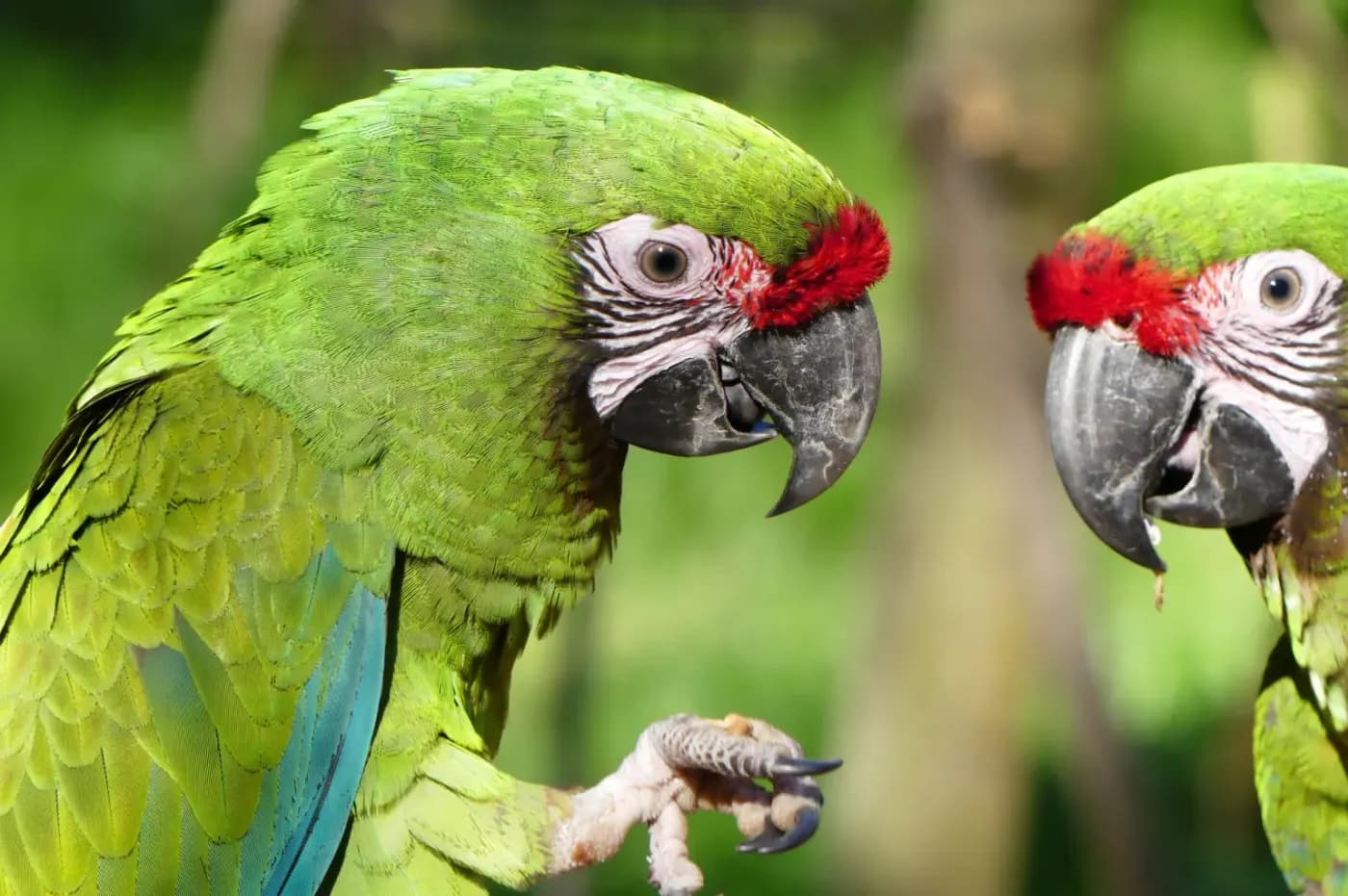
The military macaw is an exotic jewel of bird life. Native to Central and South America, its vibrant appearance and striking plumage make it a real treasure for bird lovers. Its colourful plumage includes shades of olive green and bands of crimson red. The skin on its face is light pink, and on the nape, neck, crown and back, the tone is even brighter. In addition, its beak is matt black and the iris of its eyes is yellow. This majestic macaw is also noted for its intelligence and social skills, forming strong bonds in groups and being able to imitate human sounds and words. Unfortunately, however, it is in danger of extinction due to the destruction of its natural habitat and illegal animal trafficking. Therefore, it is vital to promote its conservation and protection in order to preserve this fascinating species.
- Lifespan
- 50–70 years
- Weight
- 900–1100 g
- Length
- 70–110 cm

Get to know it
How it lives, what it eats and what puts it at risk. Open whatever interests you most.
Females lay 2 or 3 white elliptical eggs and incubate them for approximately 26 days. Both parents care for the chicks for 105 days, and the young are separated at around one year of age.
It is social, vocal and can learn to imitate words. Newly imported young can be tamed and are docile.
In its natural habitat, it feeds on seeds, fruits, nuts, shoots and buds. In captivity, their diet should include a mixture of high quality seeds, fresh vegetables, fruits and greens.
Illegal trafficking and the pet trade are the main threats to this species. Habitat destruction also affects their survival.