Cacatua sulphurea

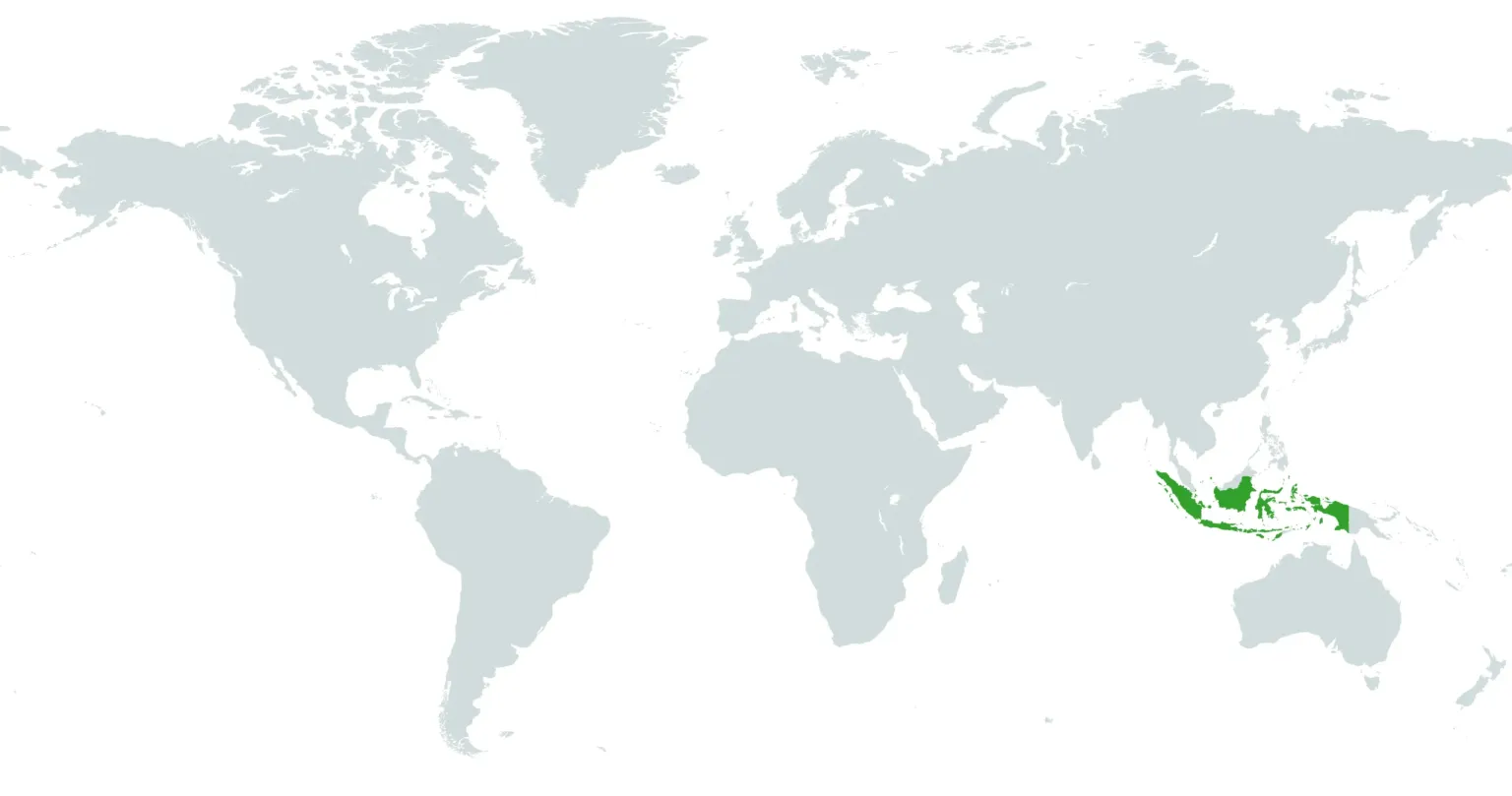
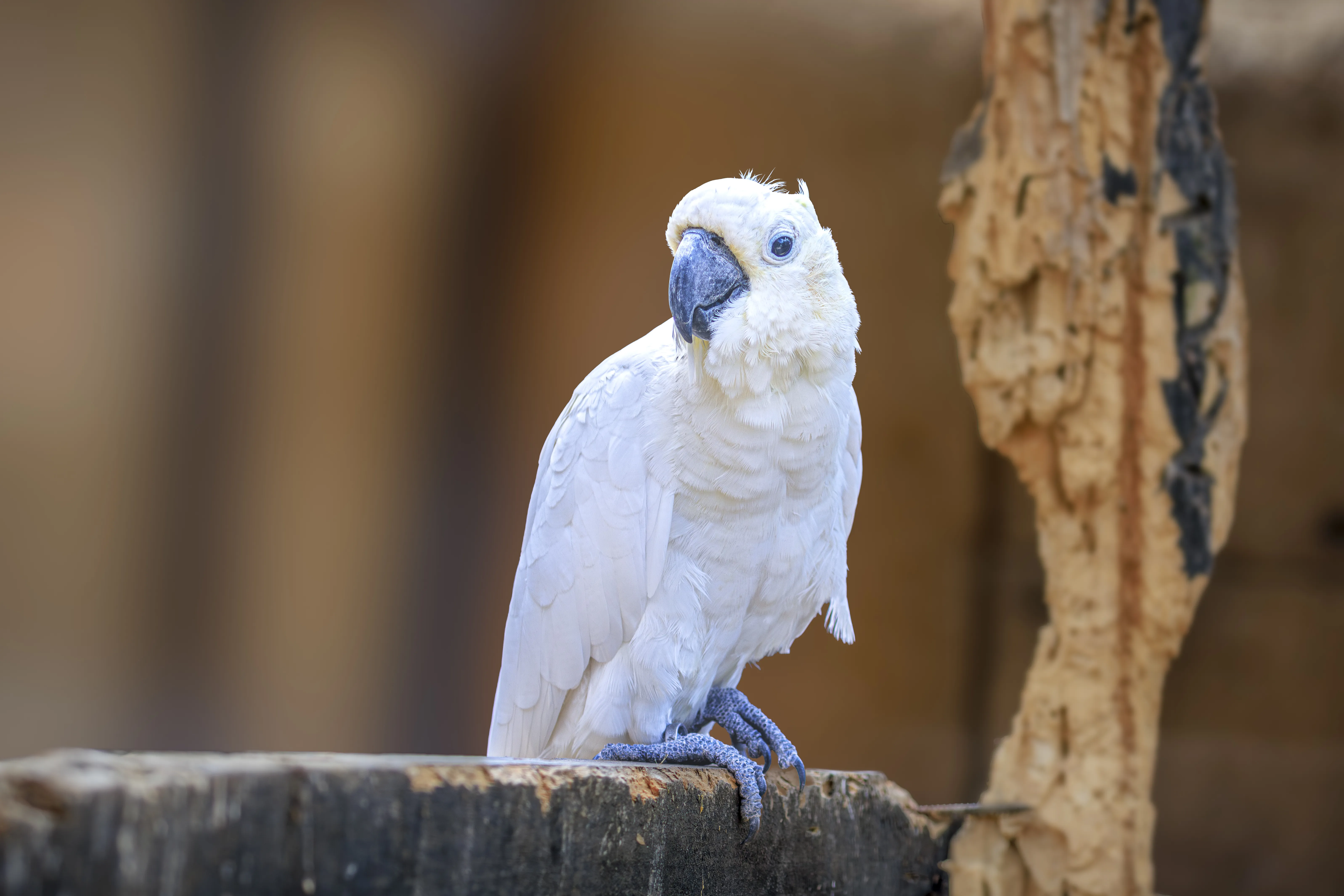
Native to the islands of Indonesia and East Timor, this species is easily recognisable by its pristine white plumage and striking lemon-yellow erectile crest.
It is an extremely sociable and intelligent bird, considered one of the jewels of tropical forest biodiversity.

Longevity

40-70 years

Weight

300-350 gr

Length

33-40 cm
LC (Least Concern)
LC (Preocupación Menor) Completo

The species is relatively secure in the wild and faces no immediate risk of extinction.

Reproduction

It is a monogamous species that forms life-long pairs. They nest in the hollows of tall trees, where the female usually lays 2 to 3 eggs. Both parents share responsibility for incubating the eggs and feeding the chicks until they are independent.

Behaviour

They are highly gregarious birds that tend to move in small groups, although they can form large flocks to feed. They are famous for their curiosity and their ability to communicate through loud cries and whistles. They spend much of the day grooming each other to strengthen social bonds.

Threats

Unfortunately, the Yellow-crested Cockatoo is classified as Critically Endangered (CR). Its main threats are: Illegal trade: Its popularity as a pet has decimated wild populations. Habitat loss: Deforestation for agriculture and logging reduces nesting sites. Fragmentation: Current populations are isolated, hindering their genetic variability.

Feeding

Their diet is omnivorous and varied. In the wild, they feed mainly on: Seeds and grains. Tropical fruits and berries. Flowers and nectar. Occasionally, small insects and larvae for protein.

Distribution

Mapa Geográfico
VU (Vulnerable)
VU (Vulnerable) Completo

It is at high risk of extinction in the medium term.

NT (Near Threatened)
NT (Casi Amenazado) Completo

It is not yet at risk, but could be soon if conditions worsen.

ALL

Not Used

EX (Extinct)
EX (Extinto) Completo

There are no longer any living individuals of the species.

EW (Extinct in the wild)
EW (Extinto en estado silvestre) Completo

Only specimens survive in captivity or in scientific collections.

EN (Endangered)
EN (En Peligro) Completo

It has a very high risk of disappearing in the wild if conservation measures are not taken.

CR (Critically Endangered)
CR (En Peligro Crítico) Completo

It faces an extremely high risk of extinction in the near future.