Meyer's Parrot

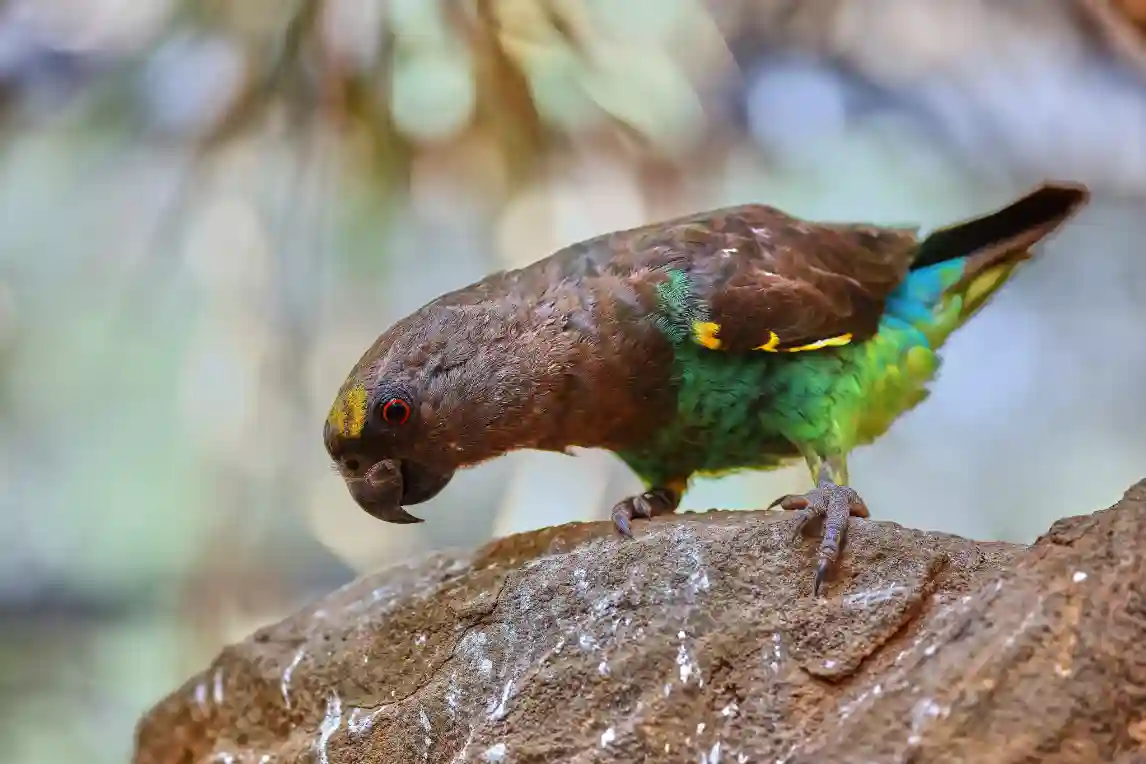
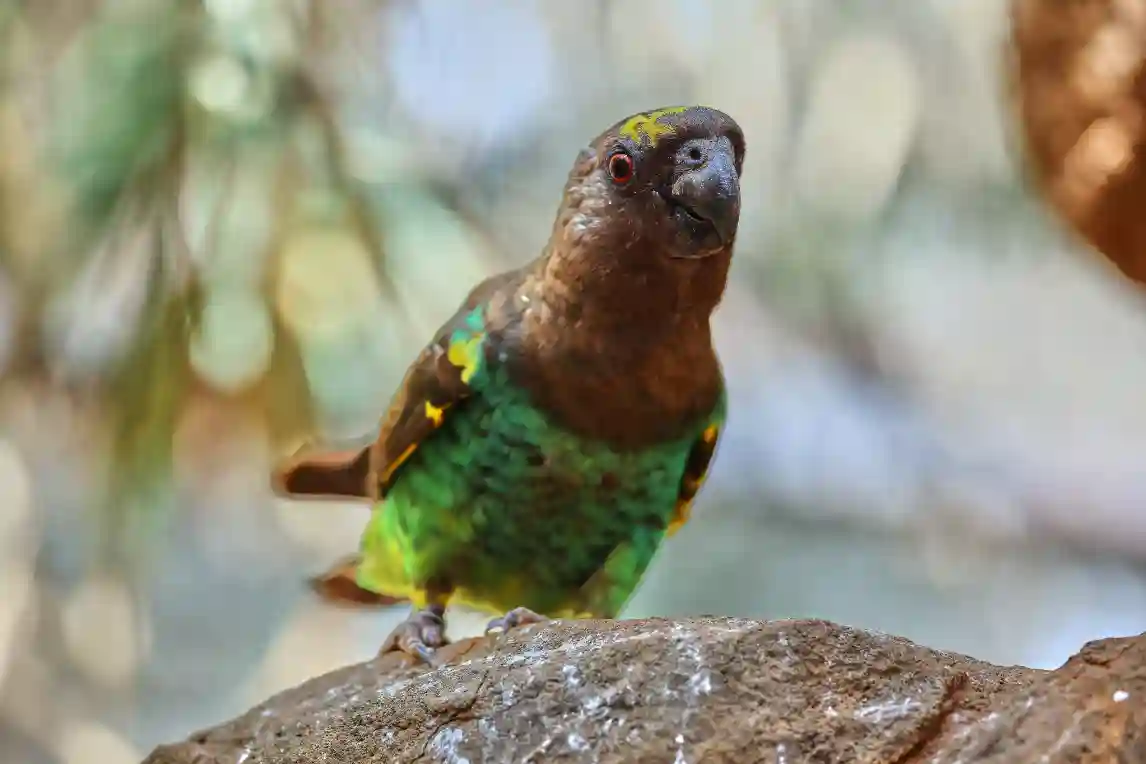
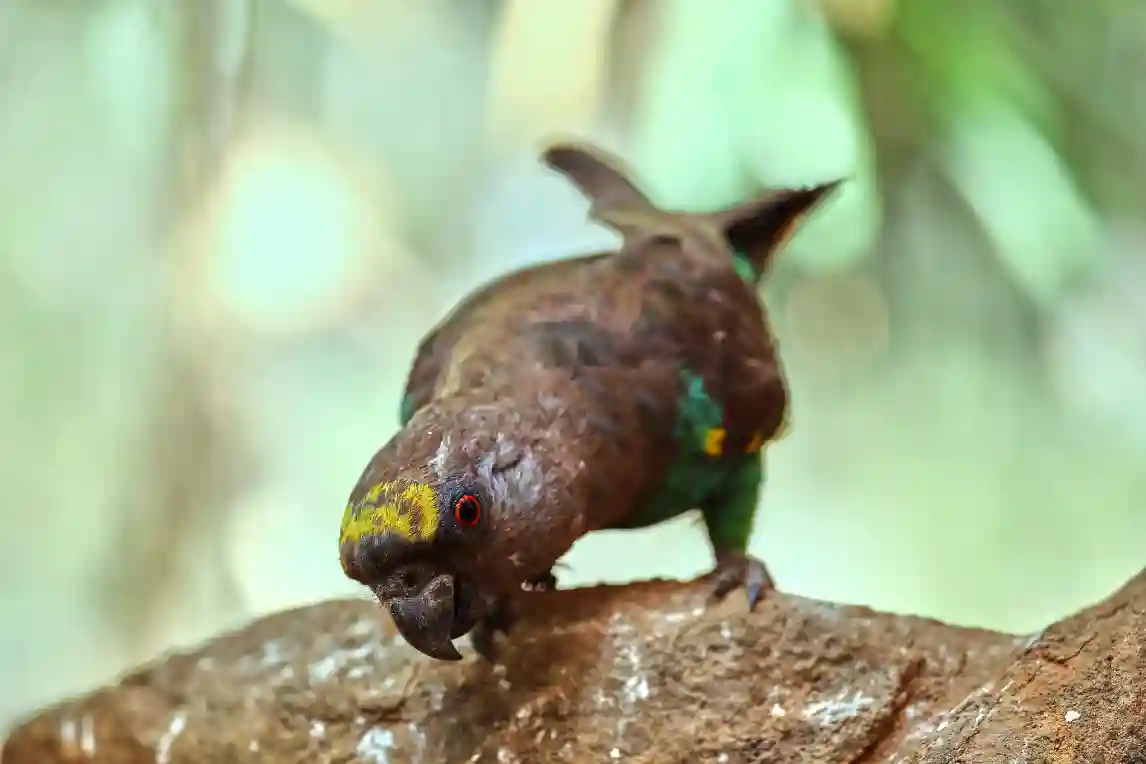
The Meyer's parrot is a small African parrot known for its calm character and high intelligence.

Its plumage is mainly green with shades of brown on the head and bright yellow spots on the shoulders and wings. Its bill is strong and curved, ideal for cracking seeds and hard fruits.

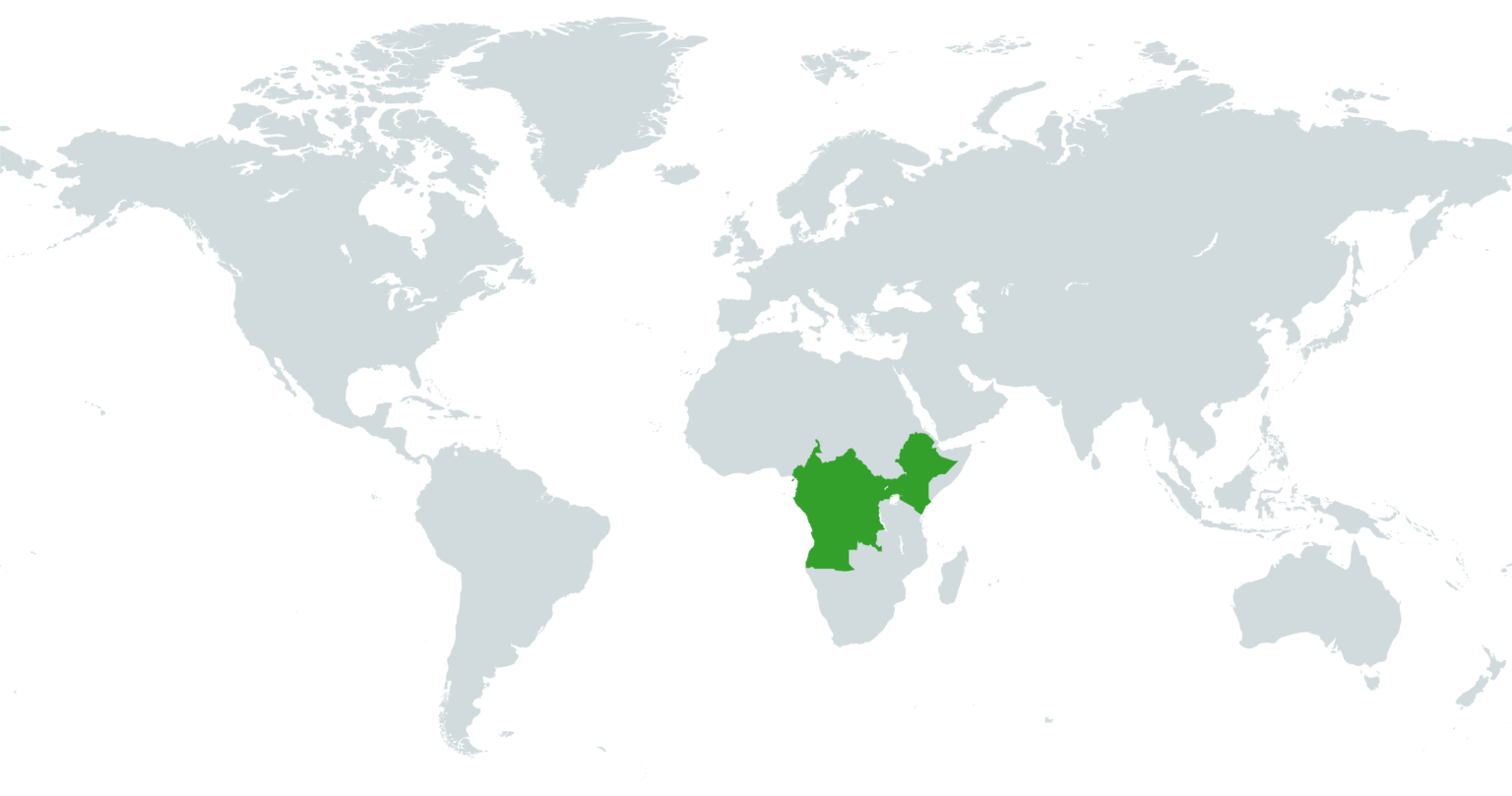
It inhabits wooded savannahs, open woodlands and areas near rivers in sub-Saharan Africa.

It is an adaptable species that can be found in both natural and human-modified areas.

Longevity

20-25 years

Weight

100 - 135g

Length

20 - 22 cm

LC (Least Concern)
LC (Preocupación Menor) Completo

The species is relatively secure in the wild and faces no immediate risk of extinction.

Reproduction

The breeding season usually coincides with the rainy season, when food is more abundant.

Pairs nest in tree cavities.

The female normally lays 3 to 4 eggs, which she incubates for 26-28 days.

During this time, the male is in charge of foraging for food for both of them.

Chicks remain in the nest for about 8 weeks before they start flying.

Behaviour

Meyer's Parrots usually live in pairs or small groups.

It is a relatively silent bird compared to other parrots, although it may make high-pitched calls to communicate with its group.

They are curious and intelligent birds, spending much of the day foraging in trees and on the ground.

They are also excellent climbers thanks to their strong beak and legs.

Threats

Meyer's Parrot is currently not considered an endangered species, but faces some threats:

Habitat loss due to deforestation.

Capture for the pet trade.

Changes in land use in its area of distribution.

Despite this, their populations remain relatively stable in many regions of Africa.

Feeding

In the wild, their diet is mainly herbivorous and very varied.

It feeds on:

Seeds, Fruits, Berries, Berries, Flowers and Sprouts

Occasionally it may also consume small insects or larvae as a protein supplement.

Distribution

Mapa Geográfico
VU (Vulnerable)
VU (Vulnerable) Completo

It is at high risk of extinction in the medium term.

NT (Near Threatened)
NT (Casi Amenazado) Completo

It is not yet at risk, but could be soon if conditions worsen.

ALL

Not Used

EX (Extinct)
EX (Extinto) Completo

There are no longer any living individuals of the species.

EW (Extinct in the wild)
EW (Extinto en estado silvestre) Completo

Only specimens survive in captivity or in scientific collections.

EN (Endangered)
EN (En Peligro) Completo

It has a very high risk of disappearing in the wild if conservation measures are not taken.

CR (Critically Endangered)
CR (En Peligro Crítico) Completo

It faces an extremely high risk of extinction in the near future.