1. Introduction
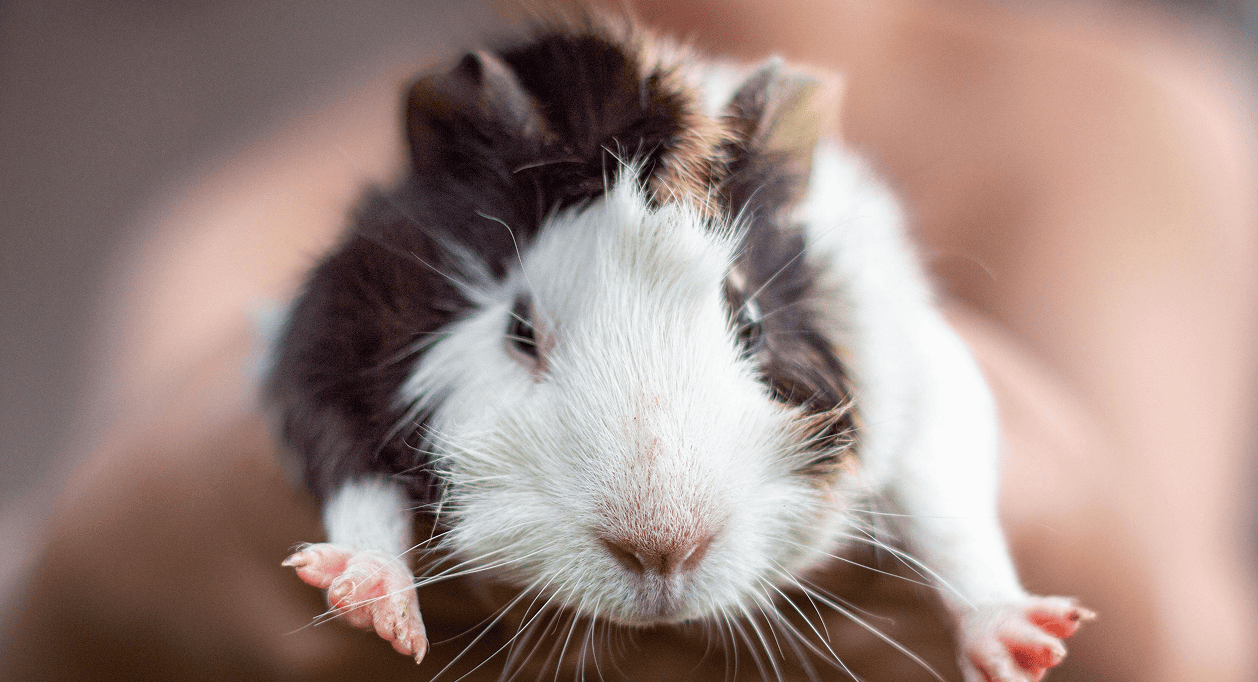
Guinea pigs, also known as guinea pigs or guinea pigs, are small rodents native to South America. Despite their name, they are not related to pigs and do not come from India. They are sociable, friendly and curious creatures that have been human companions for centuries.
At our zoo, we have a wide variety of guinea pigs, most of which have been rescued and collected. These little animals, each with their own unique story, have found a safe home with us. Through this article, we hope to share with you the wonderful and sometimes complicated life of guinea pigs, from their natural history to the challenges they face in the modern world.
General information on guinea pigs
- Origin and characteristicsGuinea pigs: Native to South America, guinea pigs were domesticated by Andean cultures thousands of years ago. They have robust, compact bodies, small ears and large, expressive eyes. Unlike other rodents, they do not have tails.
- Types of guinea pigsThere are several breeds, each with its own unique characteristics. Some of the most common include the American shorthaired guinea pig, the Peruvian longhaired guinea pig and the rex curly-haired guinea pig. Each breed has its own care requirements and temperament.
- CuriositiesThe name “guinea pig” comes from the sound they make, which resembles the squeaking of a pig. Also, despite being rodents, they have a unique diet that requires a regular intake of vitamin C to maintain their health.
3. Guinea pigs in beauty product testing and experimentation
Guinea pigs have played an important role in science and research for many years. Due to their manageable size, relatively short life cycle and ability to reproduce quickly, they have been used in a variety of experiments and tests.
- History of the use of guinea pigs in experimentationGuinea pigs have been used in research since the 19th century. They have contributed to numerous scientific breakthroughs, including the discovery of vitamin C and its role in the prevention of scurvy.
- Impact and consequencesAlthough guinea pigs have contributed to science, they have also suffered as a result of experimentation. They have been used in toxicity tests, often involving exposure to potentially harmful substances.
- Current alternatives and legislationFortunately, the trend in modern science is to move away from animal experimentation whenever possible. There are alternatives such as in vitro models and in silico experimentation that can provide similar results without the use of animals. In addition, legislation in many countries has evolved to protect animals from unnecessary experimentation.
It is important to remember that, although guinea pigs have played a role in science, every guinea pig is a living being with needs and rights.
4. Common diseases in guinea pigs
Guinea pigs are generally healthy animals, but can be susceptible to a number of diseases. Here are some of the most common:
- ScurvyThis is a disease caused by vitamin C deficiency. Guinea pigs, like humans, cannot produce their own vitamin C and must obtain it from their diet. Symptoms of scurvy can include loss of appetite, weakness, swollen joints and bleeding.
- Respiratory infectionsRespiratory infections can develop in guinea pigs if they are exposed to draughts, sudden changes in temperature or if they live in a damp and dirty environment. Symptoms may include sneezing, runny nose and difficulty breathing.
- Dental problemsGuinea pigs have teeth that grow continuously throughout their lives. If they do not wear down properly, they can develop dental problems that can make feeding difficult.
- External parasitesGuinea pigs can be affected by various external parasites, including mites and lice. These can cause itching, hair loss and skin discomfort.
5. Protection of guinea pigs against disease
- Preventive measuresPrevention is the best way to protect guinea pigs from disease. This includes providing a balanced diet rich in vitamin C, maintaining a clean and dry environment, avoiding draughts and sudden changes in temperature, and providing sufficient exercise and mental stimulation. Regular check-ups for signs of disease are also important.
- Care and feedingGuinea pigs require a specific diet that includes grass hay, guinea pig pellets, fresh fruit and vegetables, and clean water. Grass hay should be available at all times as it helps to wear down the guinea pig's teeth and is an important source of fibre. Fresh fruit and vegetables provide the necessary vitamin C, which guinea pigs cannot produce on their own.
6. Control of the guinea-pig population by castration of males
- Benefits of castrationCastration of males is an effective way to control the guinea pig population. This not only prevents unwanted breeding, but can also reduce aggression and territorial behaviour in males.
- Process and aftercareCastration is a surgical procedure that is performed by our veterinary team. After surgery, it is important to provide adequate care to ensure a quick and uncomplicated recovery. This includes keeping the animal in a clean and quiet environment, providing painkillers and monitoring the animal for signs of infection or discomfort.
7. Our guinea pigs: stories of rescue and recovery
At our zoo, every guinea pig has its own story. Many of our guinea pigs have been rescued from difficult situations and have found a safe home with us. Through our work, we hope to give these guinea pigs the opportunity to live long, healthy and happy lives.
Article 34 of Law 7/2023 makes it clear that only dogs, cats and ferrets can be kept as pets. Therefore, guinea pigs, which have been pets in Spain for so long, are no longer allowed as such, and this has led us to have to take in many of them in the last few months. We are sure that with us they will have a better life than in small boxes where they usually live in homes.
8. Conclusion
Guinea pigs are fascinating and complex creatures with unique needs. Through our work at Monkey Park, we strive to provide our guinea pigs with the care and protection they need. We hope this article has helped you to better understand these wonderful creatures and to appreciate all that they do for us.