Tetanus is a serious infectious disease caused by the bacterium tetanus. Clostridium tetani. This bacterium produces a potent toxin that affects the nervous system, causing painful muscle contractions, especially in the jaw and neck, commonly known as lockjaw. Infection usually occurs through wounds or cuts contaminated with spores of the bacteria, which are found in soil, dust and manure. Although tetanus is not transmitted from person to person, it is a vaccine-preventable disease. Immunisation with tetanus toxoid-containing vaccines is essential to prevent this potentially fatal disease.
Post-exposure treatment
Treatment of tetanus requires immediate medical attention and long-term supportive care. Wounds must be thoroughly cleaned and disinfected to remove all traces of Clostridium tetani bacteria. Tetanus antitoxin is administered to neutralise the toxin that has not yet affected the nervous system. In addition, antibiotics are used to kill the bacteria and medications such as muscle relaxants are used to control spasms. In severe cases, respiratory support in an intensive care unit may be necessary.
Evolution of the disease
After the bacteria spores enter the body through a wound, the disease usually develops within 3 to 21 days. Early symptoms usually include jaw stiffness and painful muscle spasms, which can progress to other parts of the body. Without treatment, the toxin produced by the bacteria can cause serious complications, such as difficulty breathing and paralysis.
Vaccination has significantly reduced the incidence of tetanus in many parts of the world, but the disease remains a problem in areas with low immunisation coverage and poor hygiene practices. Continued immunisation is essential to control and prevent tetanus, as the bacteria can be found in soil and other environments, meaning that there is always a risk of infection for unvaccinated people.
In conclusion
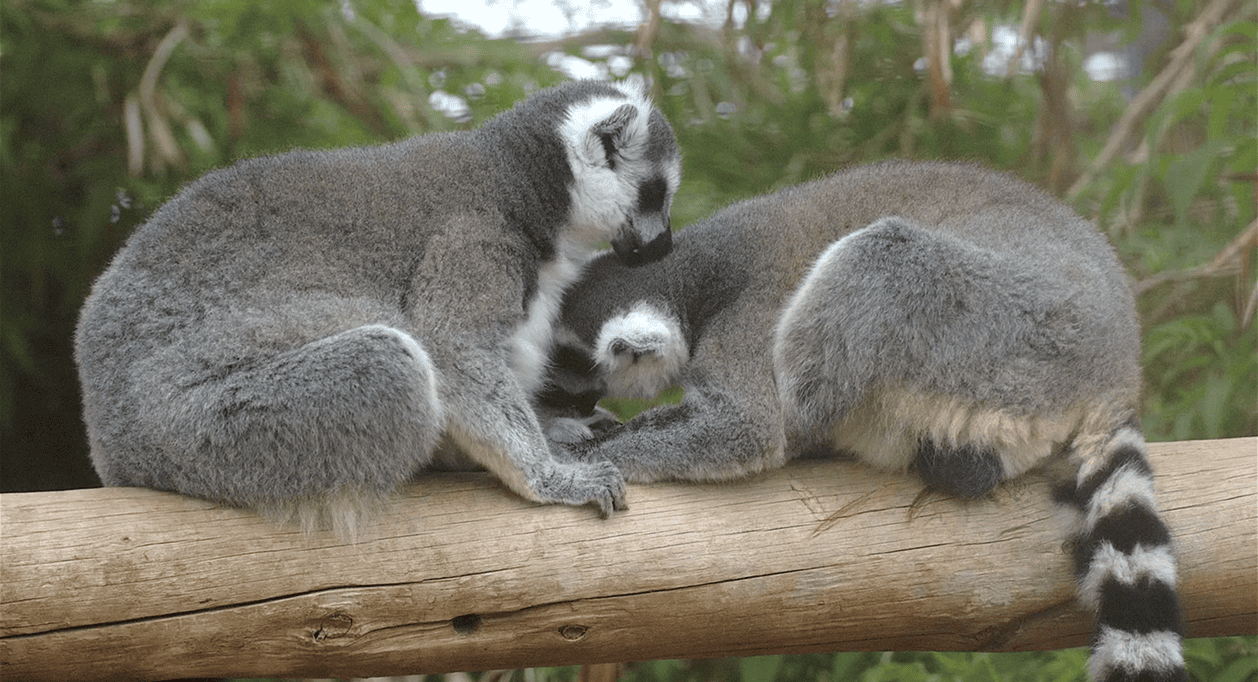
At Monkey Park, the safety and well-being of our visitors and animals are our top priority. The risk of contracting tetanus in our zoo is extremely low due to our strict hygiene and care measures. The spores of Clostridium tetani, The bacteria that cause tetanus are mainly found in soil and dirty environments. However, we keep all areas of the park clean and disinfected regularly to prevent any possible contamination.
You can be sure that our monkeys do not pose a risk of tetanus transmission. Monkeys are not carriers of the bacterium Clostridium tetani, They can neither transfer nor spread this disease to visitors. In addition, our animals receive regular veterinary care and any wounds are treated immediately to prevent infection. Enjoy your visit with peace of mind knowing that we have taken all the necessary measures to ensure the safety of you and our animals.