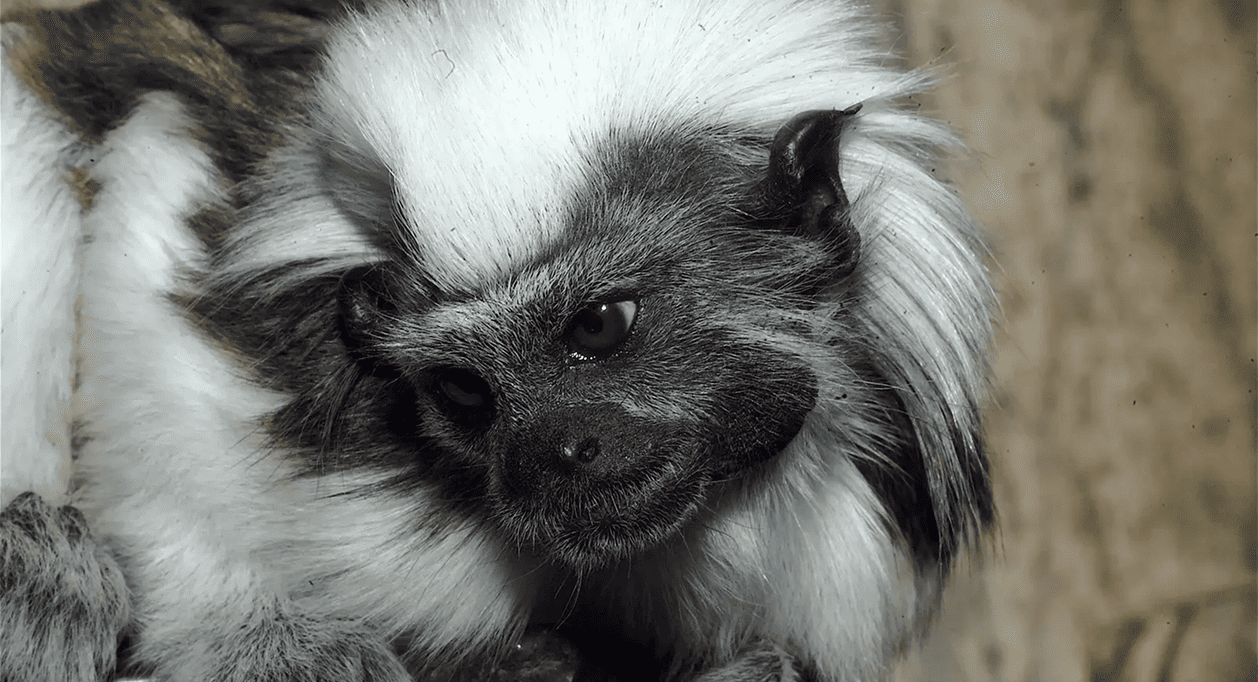
The dark business of animal trafficking: marmosets as victims
1. Introduction
Illegal animal trafficking is one of the world's most lucrative illicit activities, second only to drug, arms and human trafficking. Each year, this business moves between 7,000 and 23,000 million dollars, according to estimates by international organisations. Among the main victims of this trade are marmosets, small primates that have become a target due to their adorable appearance and growing demand as exotic pets.
Latin American countries, such as Brazil, Peru and Colombia, are hotspots for marmosets trafficking, as these species mainly inhabit the tropical rainforests of this region. From there, many of these animals are illegally captured and transported to markets in Asia, Europe and North America, where prices for a marmoset can range from $2,000 to $10,000 USD, depending on the species and demand.
This trade not only endangers the survival of these primates, but also has a devastating impact on their ecosystems and perpetuates international criminal networks. As interest in marmosets as pets grows, so do the risks to their conservation, making them tragic symbols of wildlife exploitation.
2. Why we should protect them and not keep them as pets
In the primate world, marmosets are noted for their diminutive size and unique charm. However, their popularity has also made them victims of a terrible practice: illegal animal trafficking. This trade not only threatens the survival of these species in their natural habitat, but also has devastating consequences for the individuals captured.
3. The impact of illegal marmoset trafficking
Every year, thousands of marmosets are taken from the rainforests to be sold as exotic pets. This act not only involves the suffering of the trapped animals, but also destroys the social structure of their groups and jeopardises their survival as a species.
Illegal trafficking is not a minor crime. As well as being an ethical and environmental problem, it is closely linked to organised criminal networks. For every marmoset sold as a pet, many more die during capture or transport.
4. Why shouldn't marmosets be pets?
Although it may seem adorable to have a marmoset at home, primates are not pets. Marmosets have specific needs that cannot be met outside their natural environment:
- Complex dietThey need a balanced diet which is difficult to replicate in captivity.
- Social behaviourThey are social animals living in family groups, and loneliness can cause them profound stress.
- Environmental requirementsThey need ample and varied space to climb and move freely.
In addition, marmosets may develop aggressive behaviour as they mature and, in some cases, transmit diseases to humans.
5. Our position: marmosets belong in the forest
At Monkey Park, we believe that wild animals should remain in their natural habitat. We strongly oppose illegal trafficking and the pet trade in marmosets. It is crucial to educate the public about the impact of these practices and to promote responsible alternatives.
6. How can we help?
- Inform and educate others about the risks and consequences of keeping marmosets as pets.
- Don't buy exotic animals. In doing so, you are supporting the illegal trade.
- Supports organisations working for the conservation and protection of marmosets and their habitat.
- Report illegal activities related to animal trafficking.
The future of the marmosets depends on our actions. Only by protecting their natural homes and saying no to illegal trade can we ensure their survival.