
Macaca sylvanus

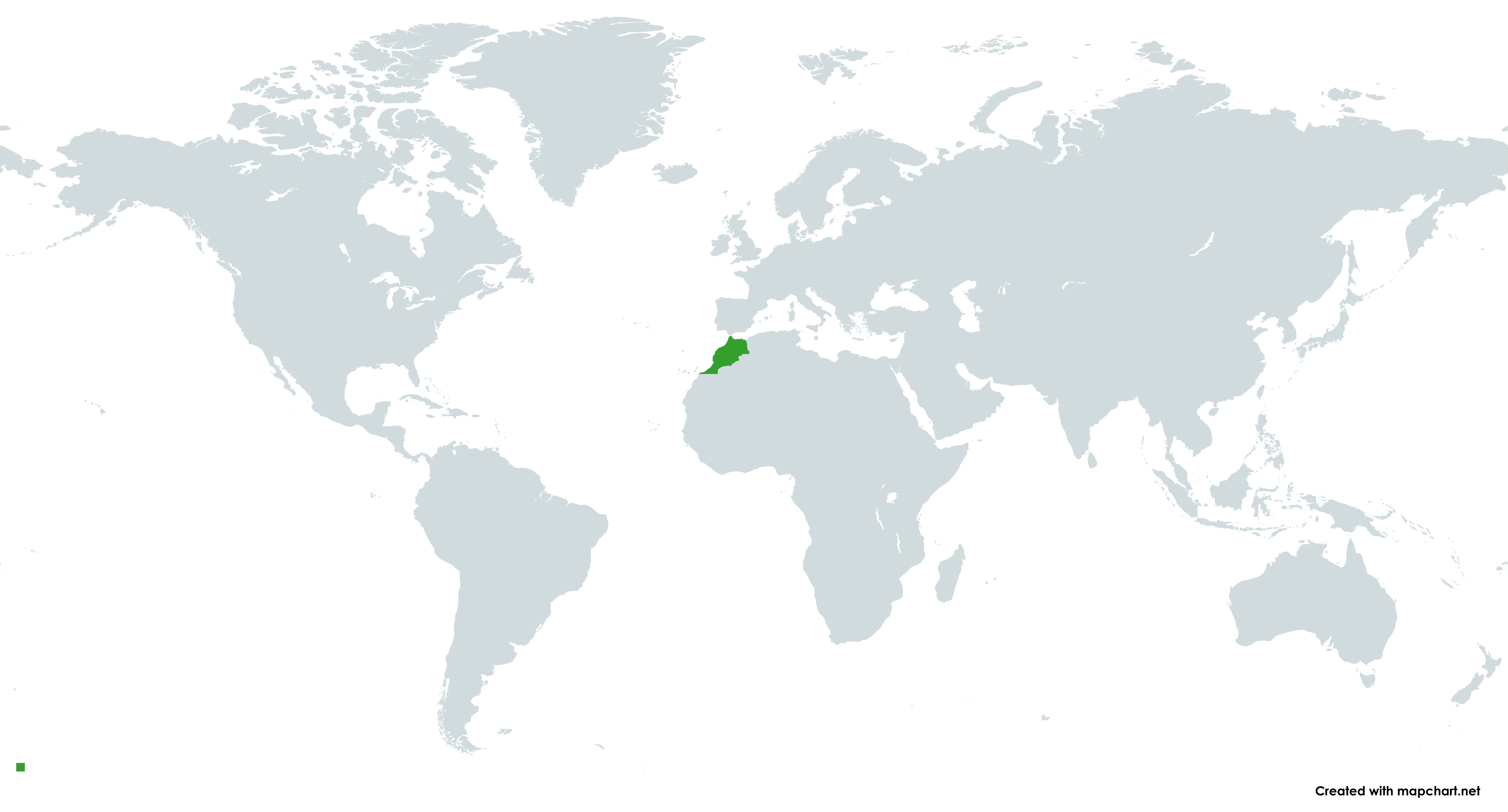
The Barbary macaque is the only non-human primate native to Europe and currently lives in the wild in the mountains of North Africa, mainly in Morocco and Algeria.
Longevity
20–25 years
Weight
5-15 kg
Length
45-70 cm
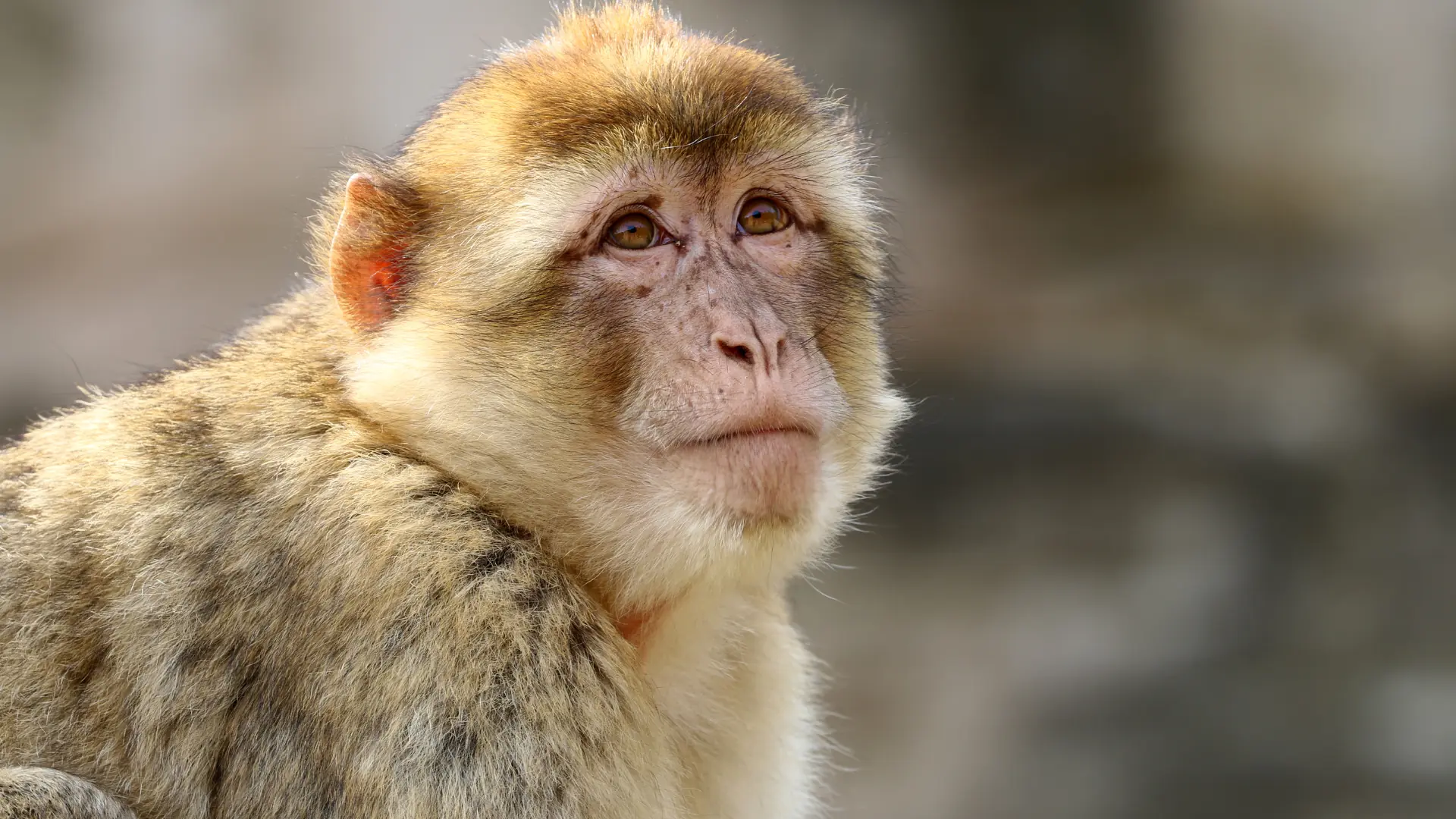
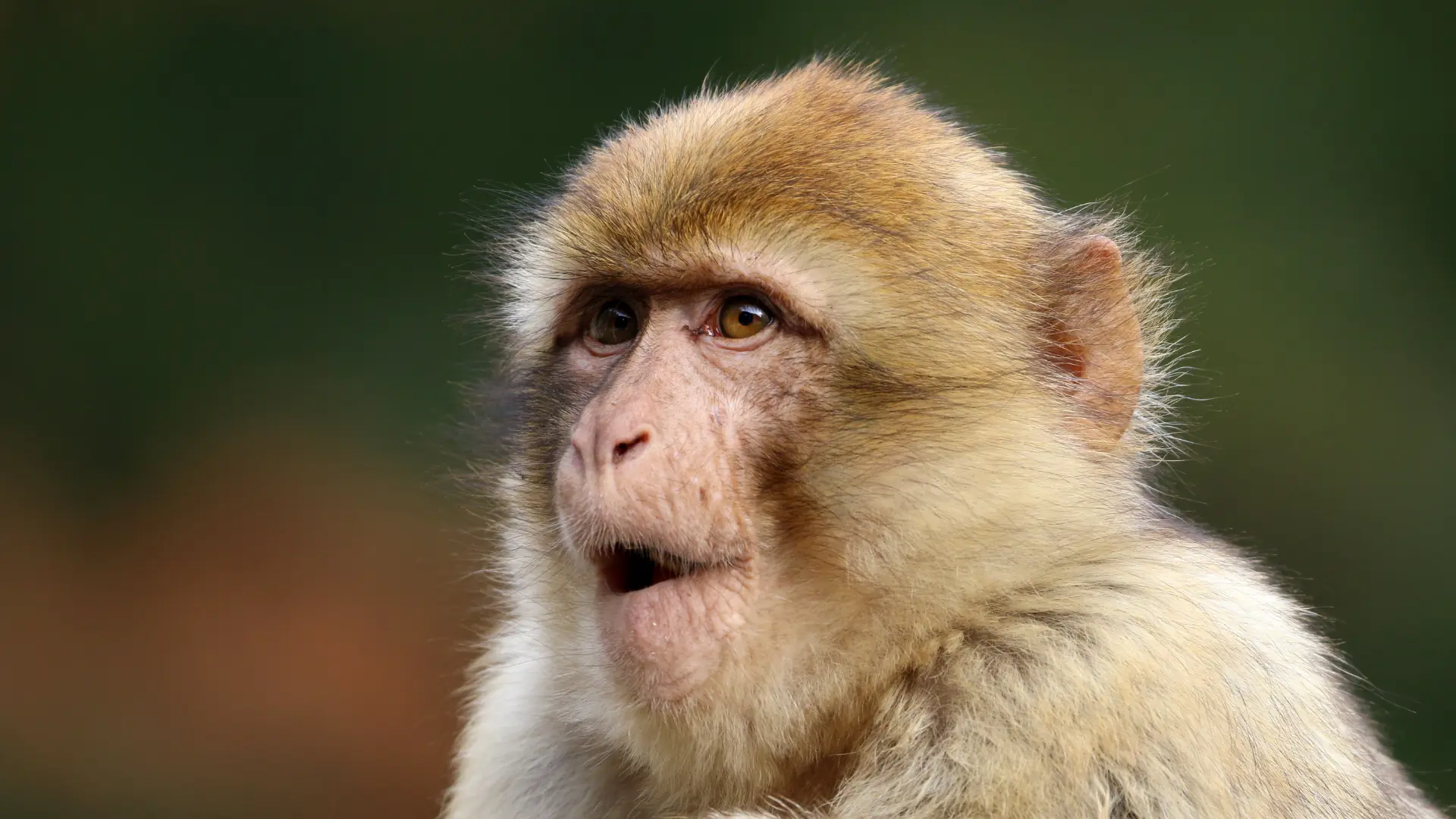
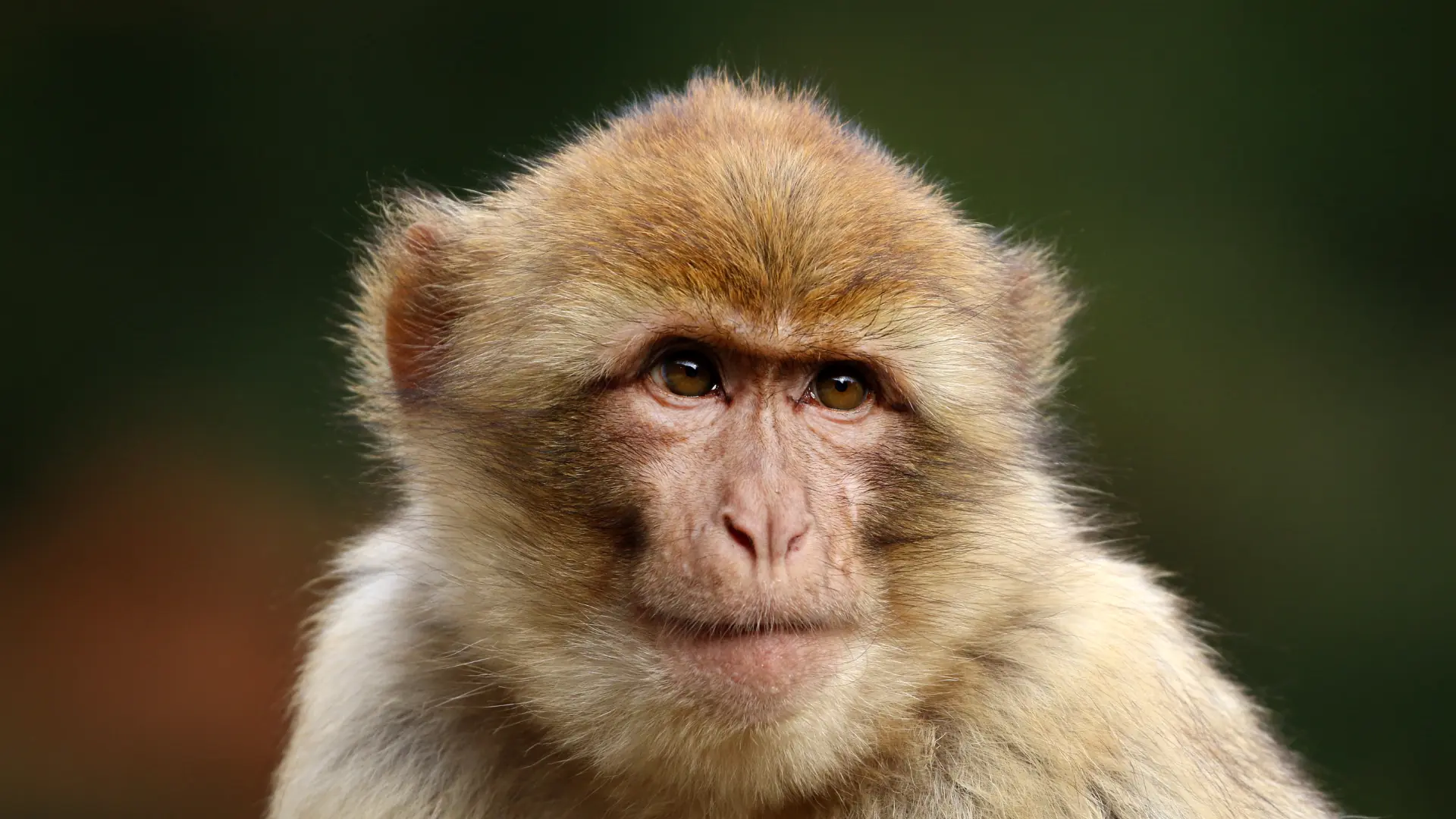
The Barbary macaque is the only non-human primate native to Europe and currently lives in the wild in the mountains of North Africa, mainly in Morocco and Algeria.
20–25 years
5-15 kg
45-70 cm





The species is relatively secure in the wild and faces no immediate risk of extinction.
Females reach sexual maturity at approximately 3–4 years of age and have a gestation period of about 5.5 months. Usually, only one offspring is born, which remains closely bonded to its mother during its first few years of life.
It is a social, diurnal species that lives in groups of several dozen individuals. It maintains complex social relationships, with frequent grooming interactions, and both males and females participate in raising the young.
Its main threats are habitat loss and degradation, illegal capture for the pet trade, and disturbances caused by human activity. The species is classified as Endangered by the IUCN.
It is an omnivorous species, although its diet is primarily plant-based. It feeds on fruits, leaves, seeds, flowers, roots, and bark, supplementing its diet with insects and other small invertebrates.

It is at high risk of extinction in the medium term.

It is not yet at risk, but could be soon if conditions worsen.

Not Used

There are no longer any living individuals of the species.

Only specimens survive in captivity or in scientific collections.

It has a very high risk of disappearing in the wild if conservation measures are not taken.

It faces an extremely high risk of extinction in the near future.