Anodorhynchus hyacinthinus

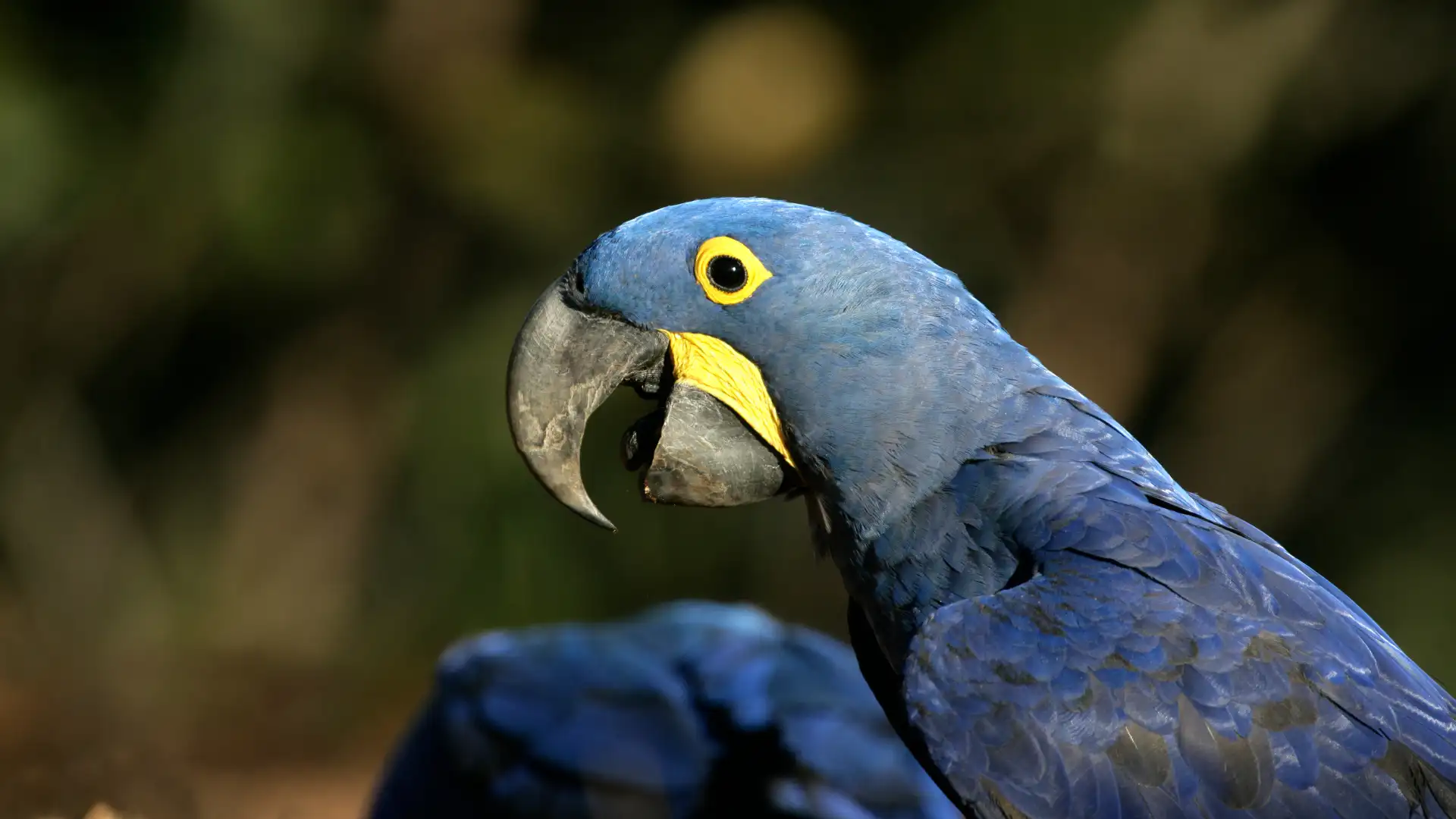
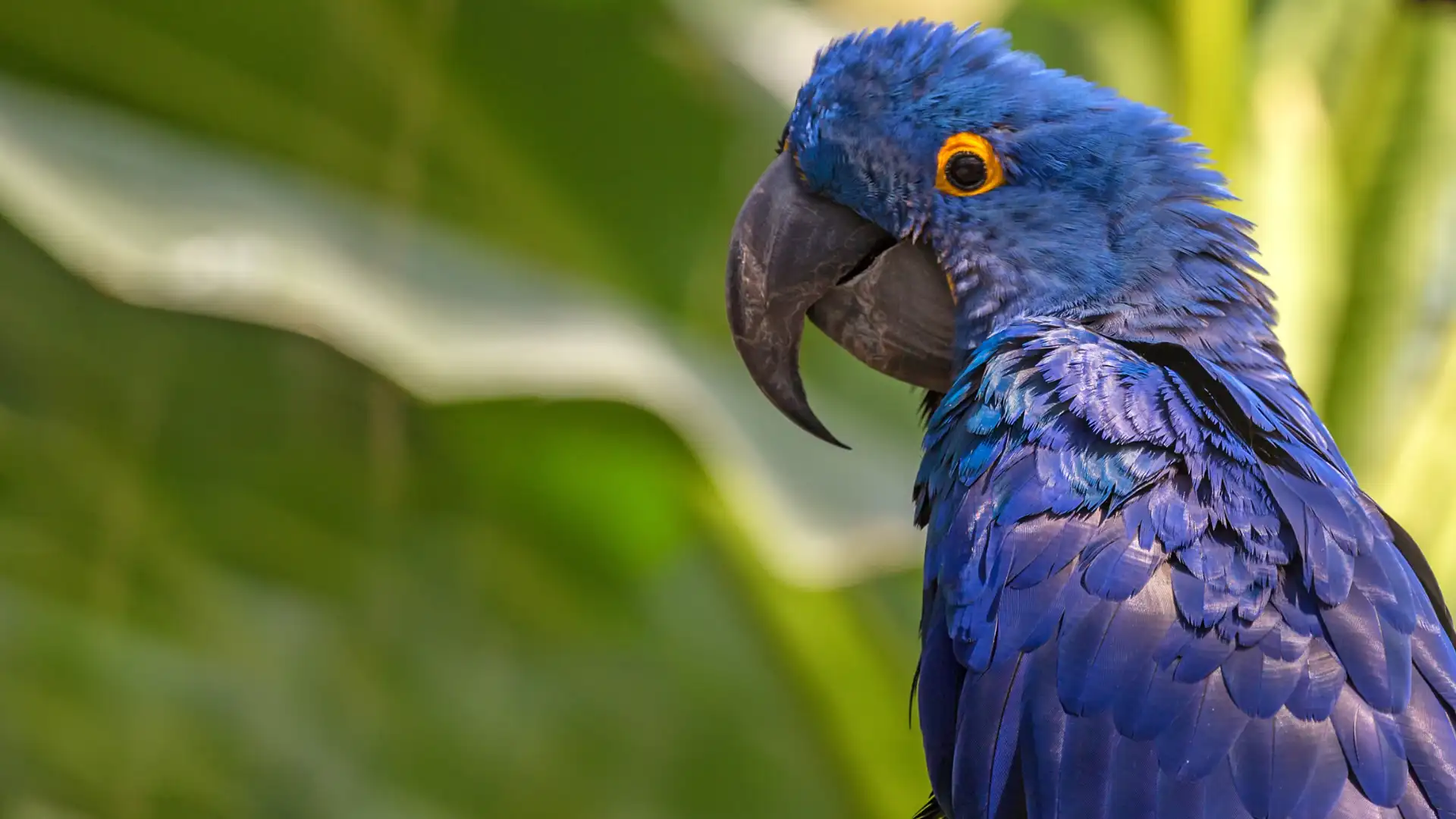
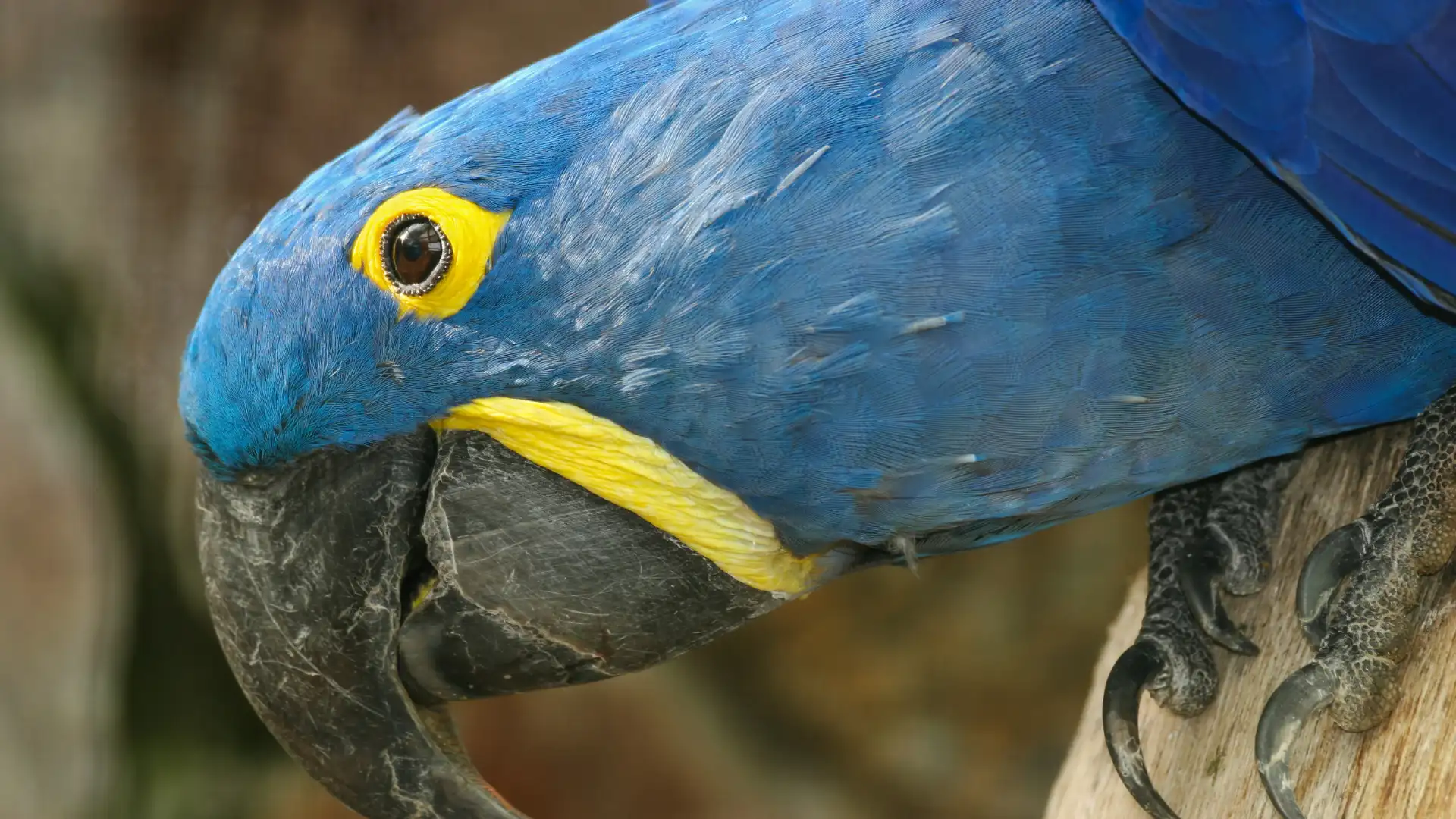
The hyacinth macaw is the largest parrot in the world.

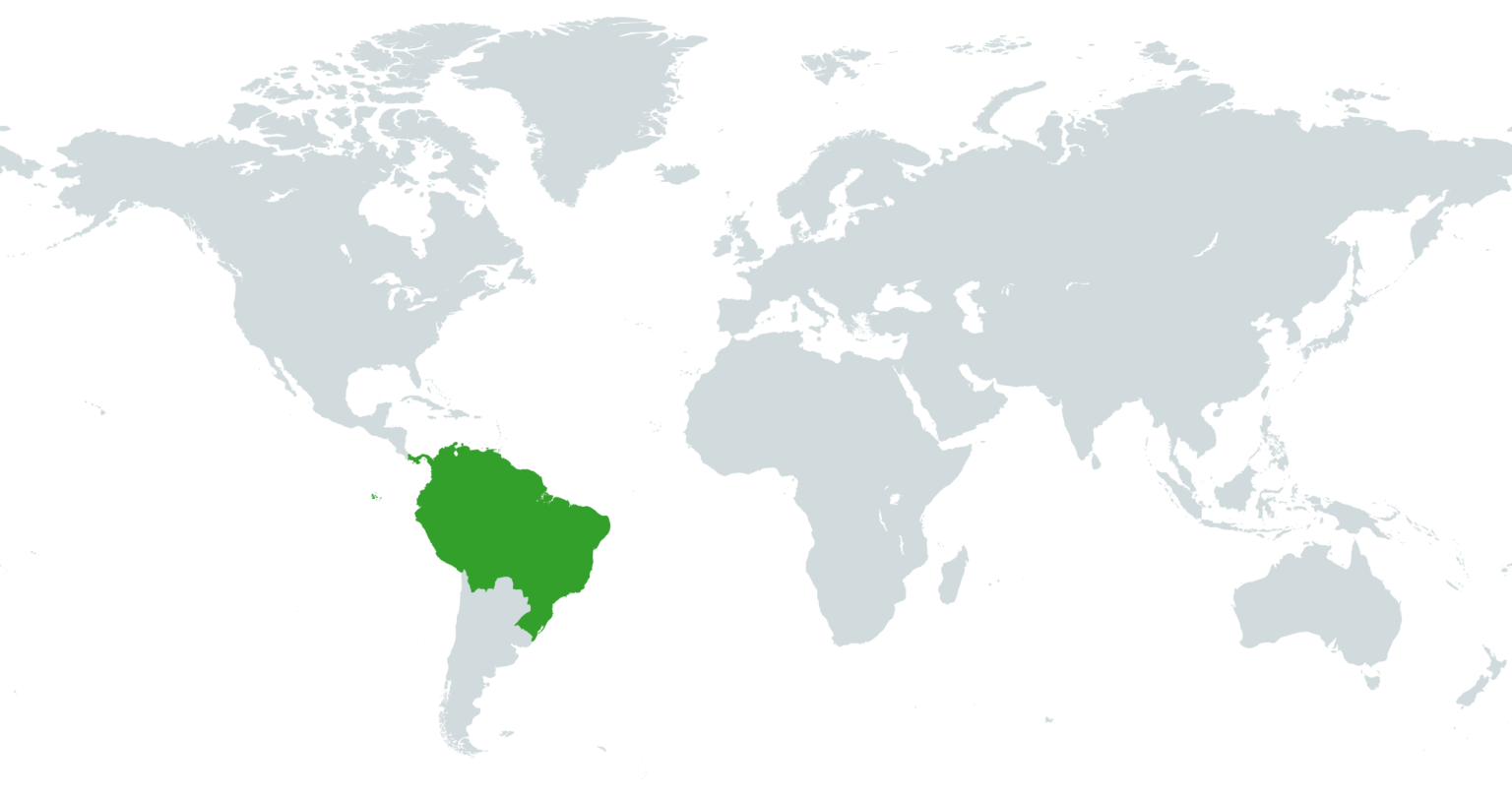
It is native to South America and lives mainly in Brazil, Bolivia and Paraguay, where it occupies savannas, forests and palm areas.

Longevity

5-10 years

Weight

100 gr

Length

25 cm
LC (Least Concern)
LC (Minor Concern) Complete

The species is relatively secure in the wild and faces no immediate risk of extinction.

Reproduction

It forms stable pairs and usually breeds during the rainy season. The female typically lays 1–2 eggs, which she incubates for about 28–30 days. The chicks stay with their parents for several months before becoming independent.

Behaviour

It is a diurnal, intelligent, and highly social bird that usually travels in pairs or small groups. It uses its powerful beak to open very hard fruits and seeds and can travel great distances in search of food.

Threats

Its main threats are habitat loss, the decline of the palm trees it depends on for food and nesting, and illegal trafficking for the pet trade. The species is classified as Vulnerable by the IUCN.

Feeding

Its diet consists mainly of palm fruits and seeds, especially those of Attalea and Acrocomia. It may also consume other fruits, depending on availability.

Distribution

VU (Vulnerable)
VU (Vulnerable) Complete

It is at high risk of extinction in the medium term.

NT (Near Threatened)
NT (Near Threatened) Complete

It is not yet at risk, but could be soon if conditions worsen.

ALL

Not Used

EX (Extinct)
EX (Extinct) Complete

There are no longer any living individuals of the species.

EW (Extinct in the wild)
EW (Extinct in the wild) Complete

Only specimens survive in captivity or in scientific collections.

EN (Endangered)
EN (En Perilous) Complete

It has a very high risk of disappearing in the wild if conservation measures are not taken.

CR (Critically Endangered)
CR (Critically Endangered) Complete

It faces an extremely high risk of extinction in the near future.