
Cuban Crocodile

The Cuban crocodile has sharp, conical teeth, thick, scaly skin covered with bony plates, a strong, muscular tail, and eyes and nostrils on the top of the head.
Longevity
50-70 years
Weight
70-80 kg
Length
2-3 m
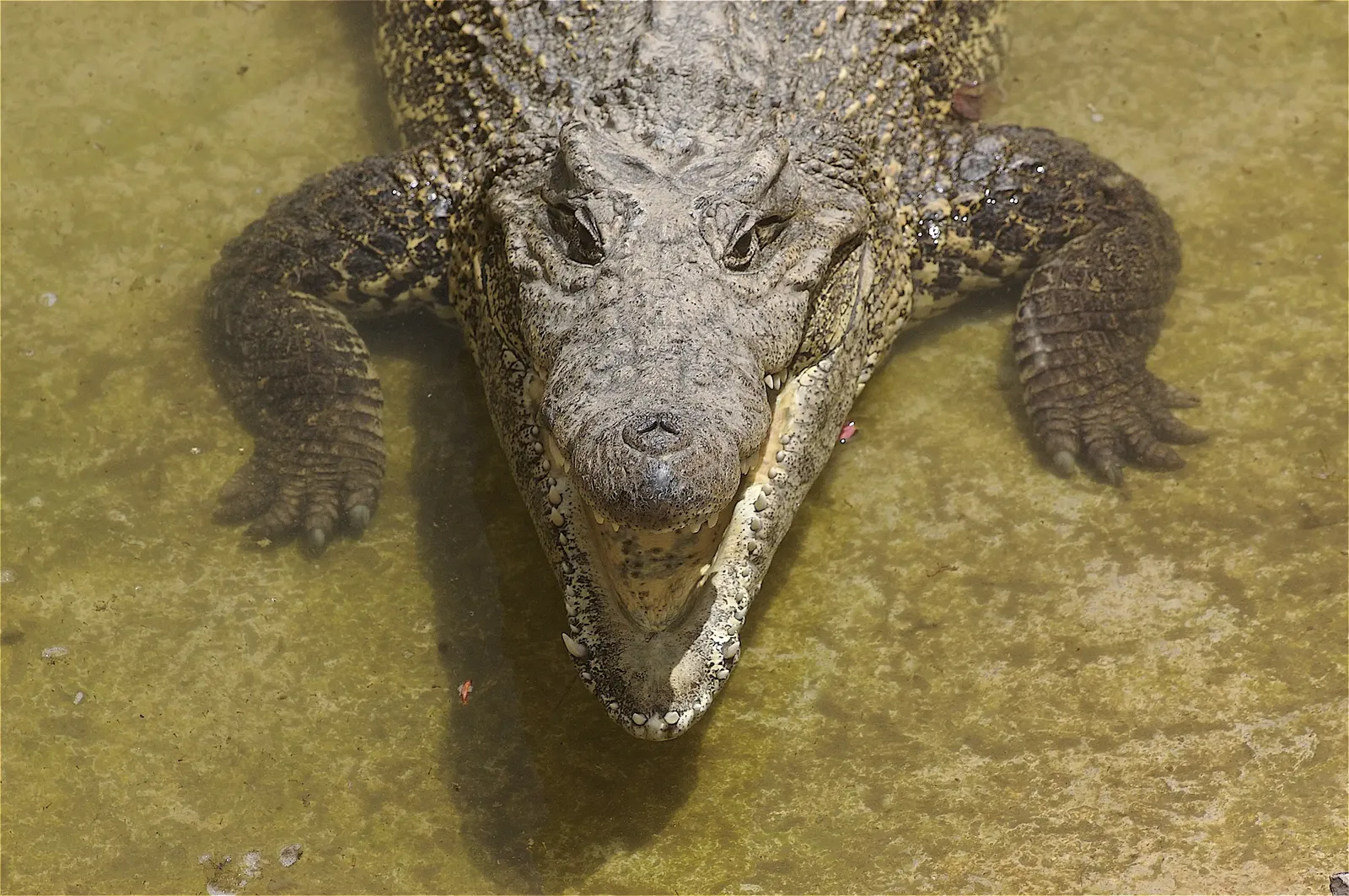
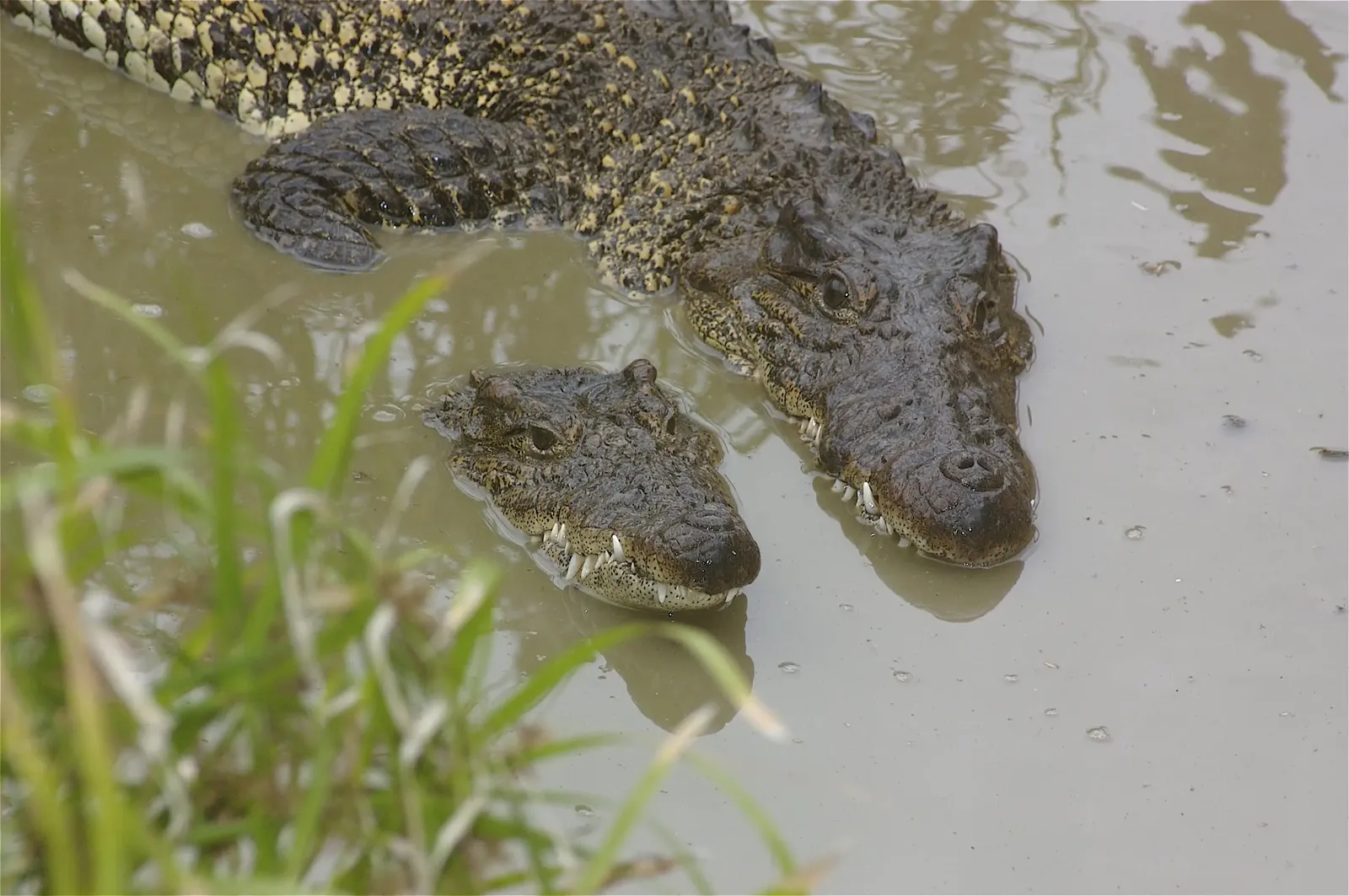
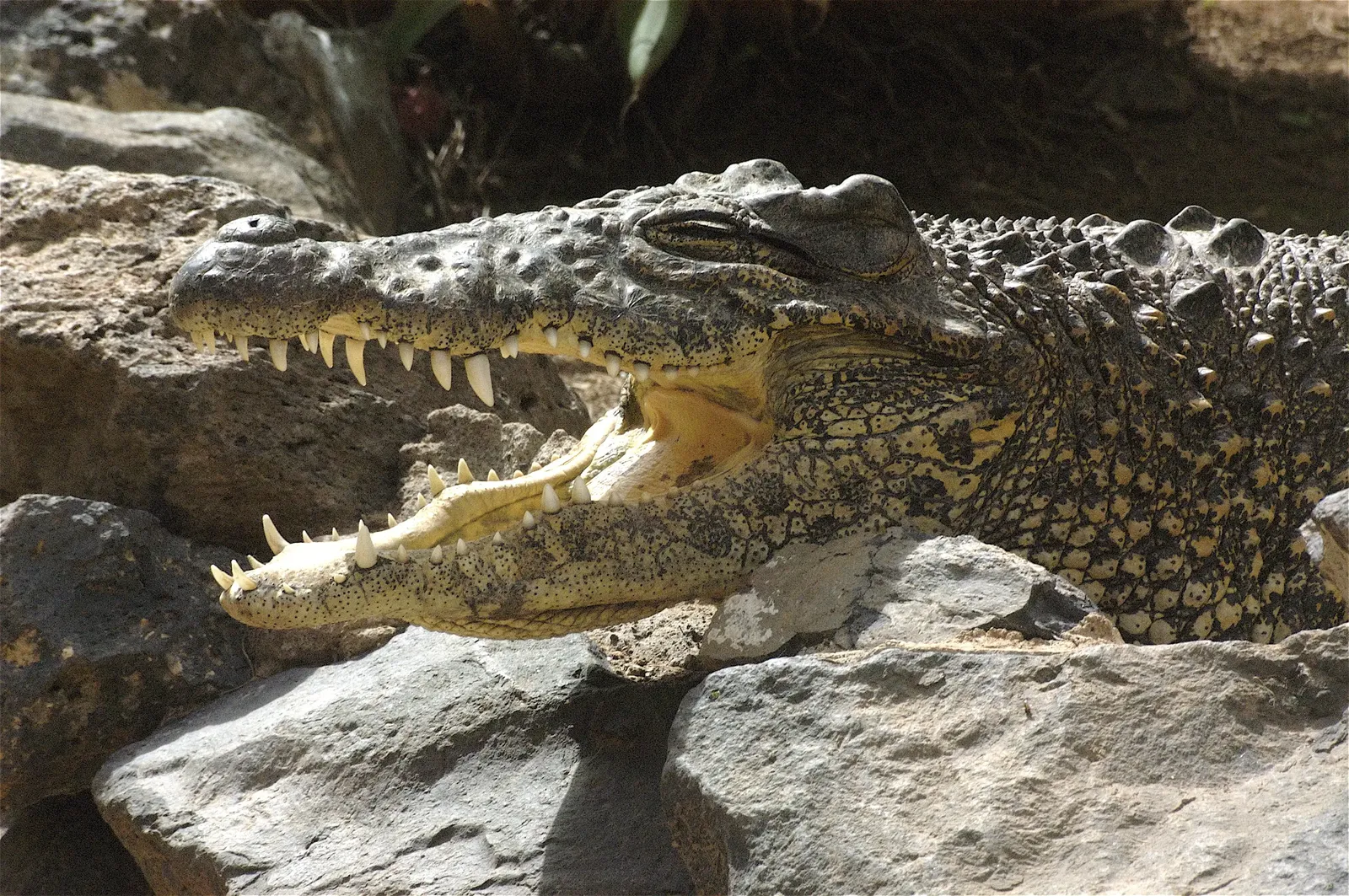
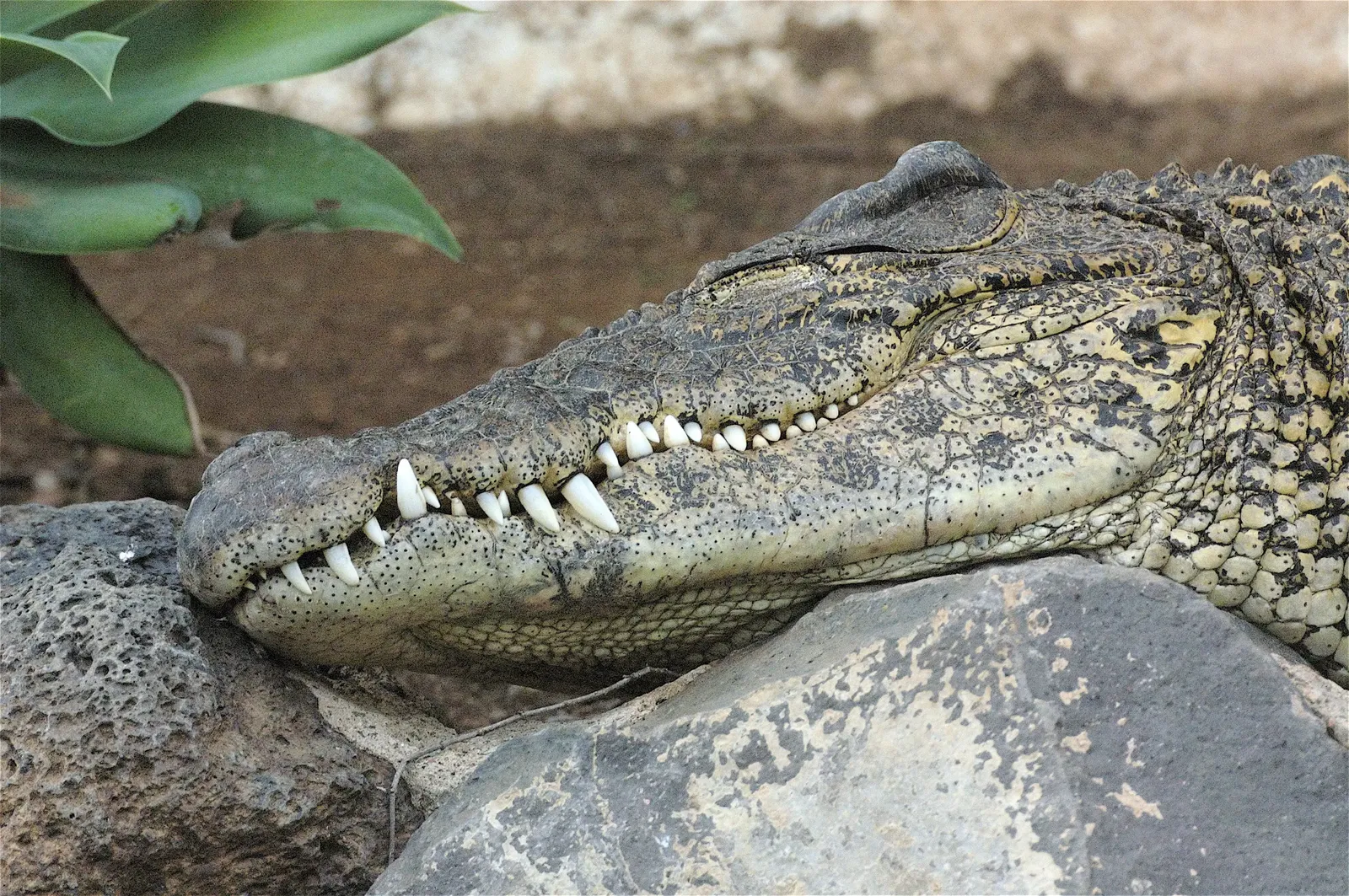
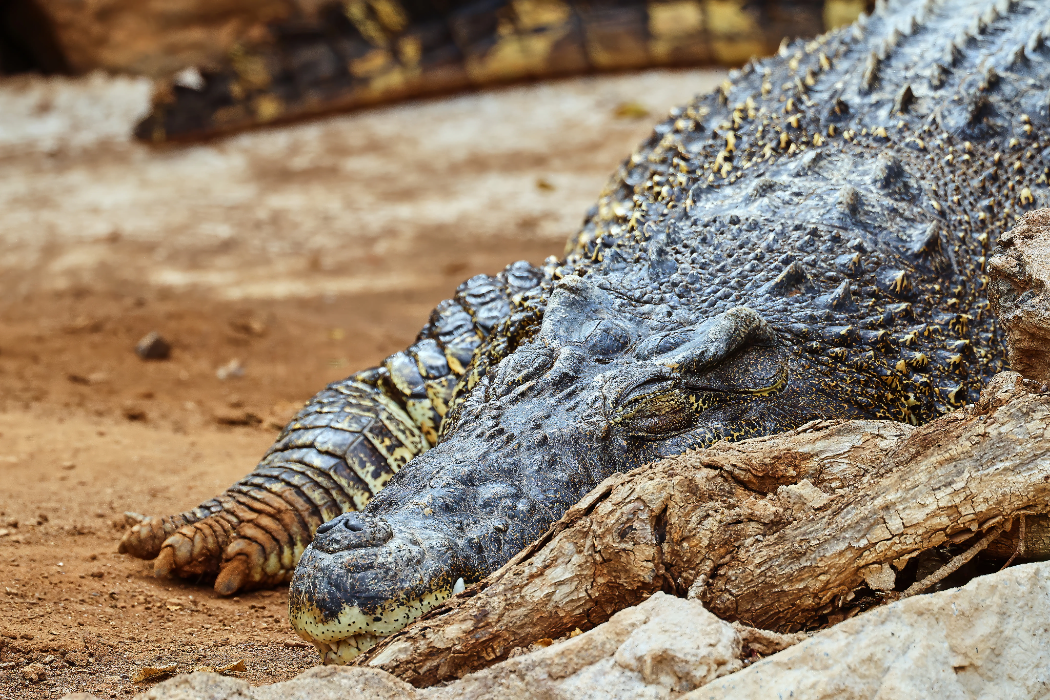
The Cuban crocodile has sharp, conical teeth, thick, scaly skin covered with bony plates, a strong, muscular tail, and eyes and nostrils on the top of the head.
50-70 years
70-80 kg
2-3 m






It faces an extremely high risk of extinction in the near future.
Breeding of the Cuban Crocodile begins in May and lasts until August or September. Conditions, such as the availability of nesting materials, determine whether they dig nests in the ground or build mounds. They usually lay 30 to 40 eggs, which hatch in 58 to 70 days.
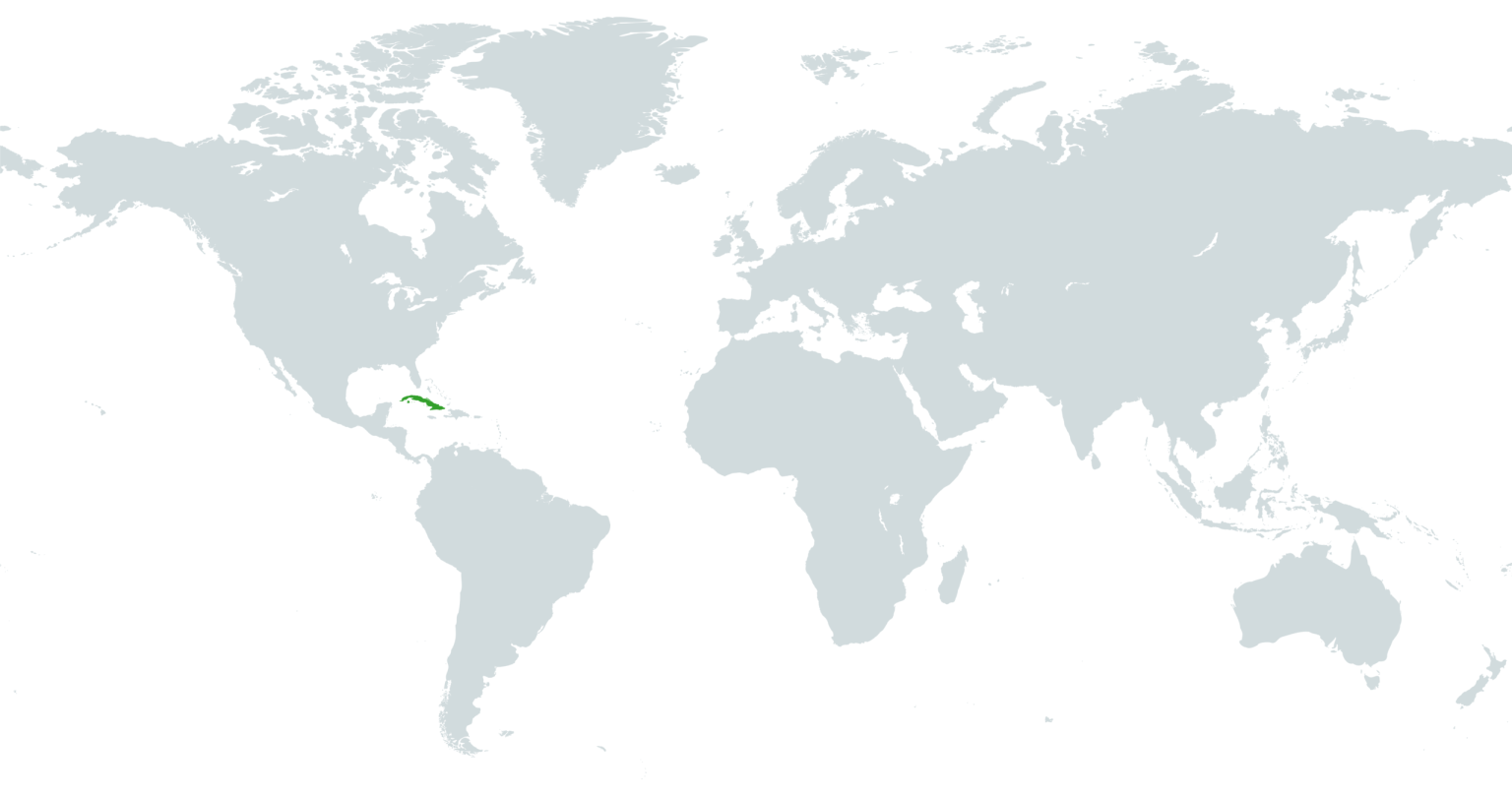
The Cuban crocodile shows a number of adaptations that make it more terrestrial and intelligent than most crocodiles. This is thought to be due to the original absence of carnivorous mammals in Cuba, which it supplanted. In addition to being the main native predator of birds and small mammals on the island, it also regularly consumes fish and other aquatic animals.
Their survival is endangered due to habitat loss, illegal hunting and hybridisation with other crocodile species.
The Cuban crocodile feeds mainly on fish, turtles and small mammals. Juveniles consume small fish, arthropods and crustaceans. In addition, they have blunt posterior teeth that help them crush turtle shells.
The patas monkey is omnivorous and its diet varies according to habitat and season. It mainly feeds on fruit, but may also consume plants and invertebrates. In addition, it occasionally feeds on insects, lizards, eggs and small mammals.

It is at high risk of extinction in the medium term.

It is not yet at risk, but could be soon if conditions worsen.

Not Used

There are no longer any living individuals of the species.

Only specimens survive in captivity or in scientific collections.

It has a very high risk of disappearing in the wild if conservation measures are not taken.

The species is relatively secure in the wild and faces no immediate risk of extinction.