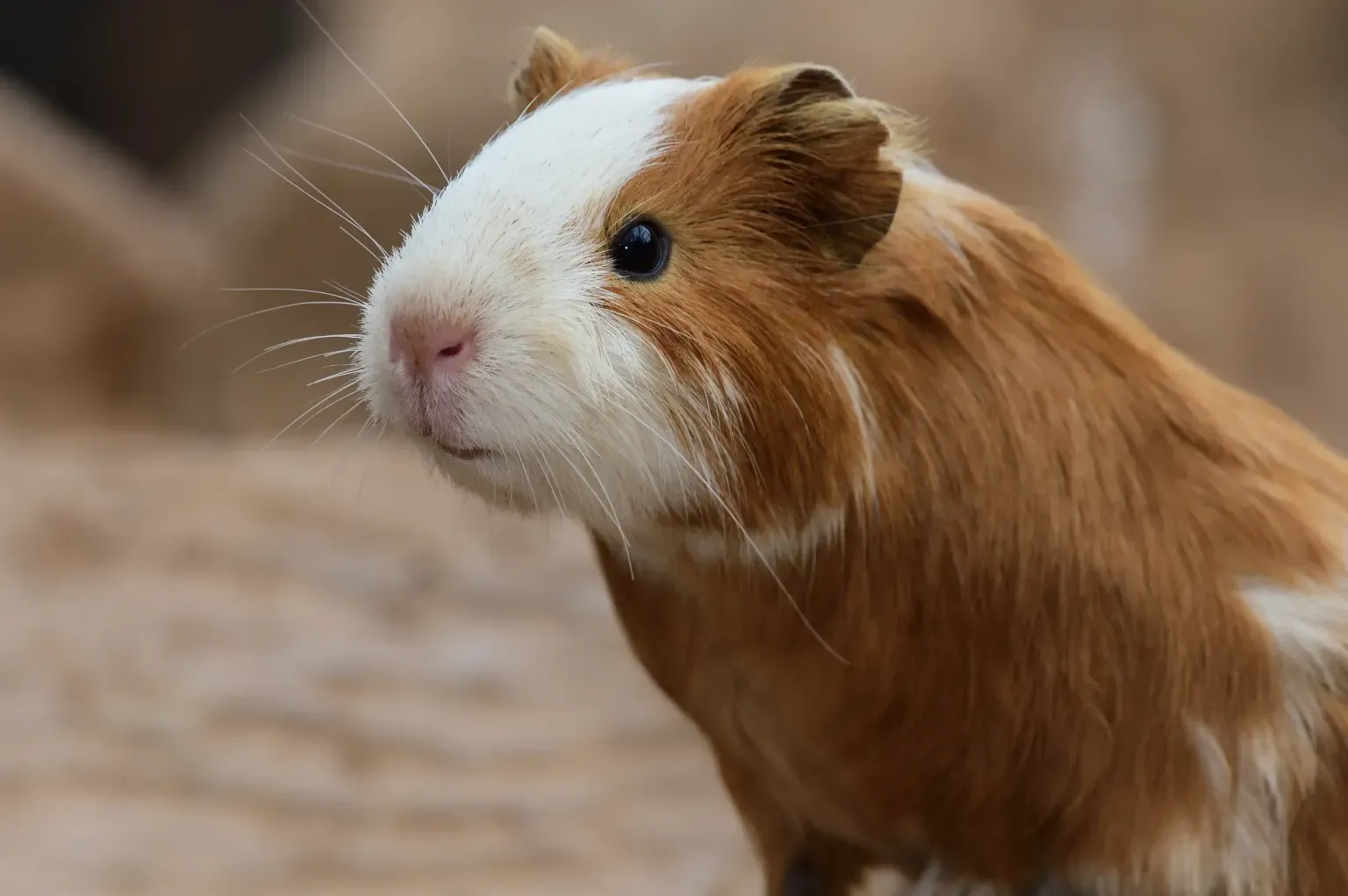
Cavia porcellus, also known as guinea pig, guinea pig or guinea pig, is a hybrid domestic rodent.
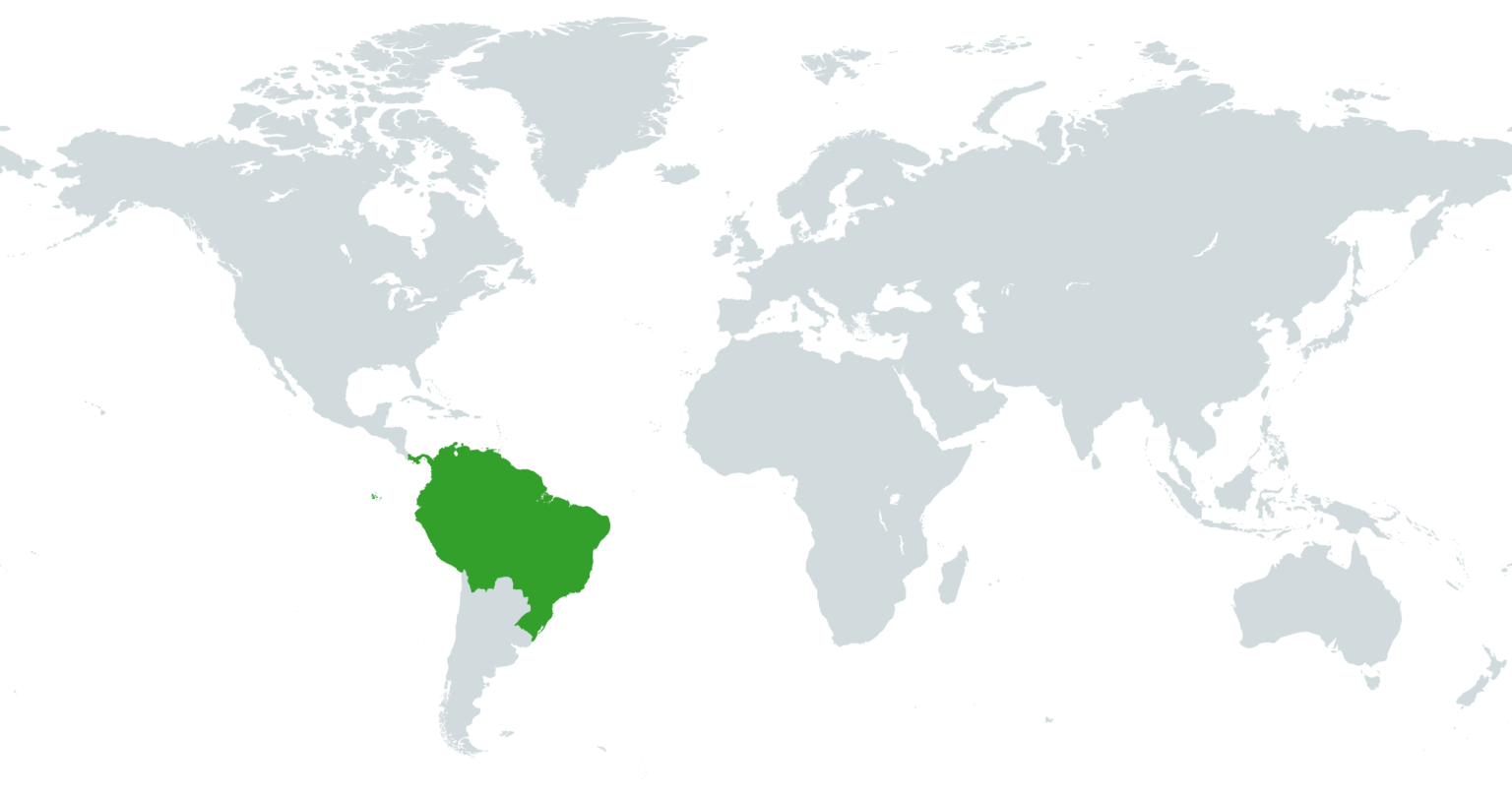
Native to the Andes of South America, this animal is the result of crossing several species of the genus Cavia.
Its coat can vary in colour and texture, and its docile nature has made it a popular pet in Western society.
The species is relatively secure in the wild and faces no immediate risk of extinction.
Reproduction
They are viviparous, which means that they give birth to live young.
Behaviour
They have an excellent memory and can recall learned paths with precision.
They are good swimmers.
Their coat can vary in colours such as white, reddish, brown and black.
They have a wider range of vision than humans.
They do not need to drink water if their food has sufficient moisture.
They have been domesticated for about 3000 years.
They have no tail and use their whiskers to detect dangers in the environment.
Threats
Although they are not critically endangered, we must take care of their habitat and avoid indiscriminate hunting.
Feeding
They are herbivorous animals that feed mainly on fruits and vegetables.
Distribution
VU (Vulnerable)
It is at high risk of extinction in the medium term.
NT (Near Threatened)
It is not yet at risk, but could be soon if conditions worsen.
ALL
Not Used
EX (Extinct)
There are no longer any living individuals of the species.
EW (Extinct in the wild)
Only specimens survive in captivity or in scientific collections.
EN (Endangered)
It has a very high risk of disappearing in the wild if conservation measures are not taken.
CR (Critically Endangered)
It faces an extremely high risk of extinction in the near future.