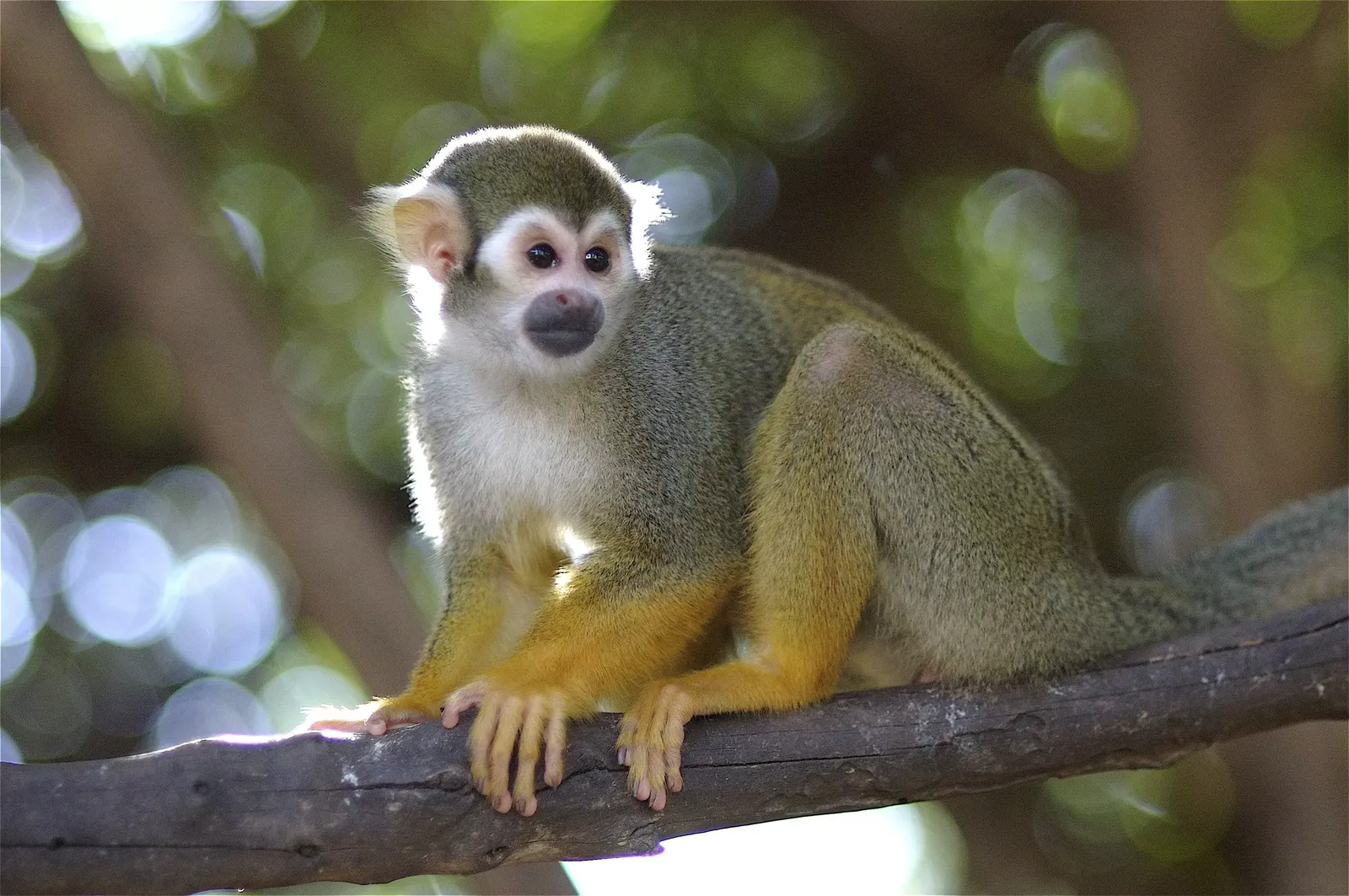
The Responsible Explorer's Guide: The Art of Observing without a Footprint
Being a true nature lover is not about how close you can get to an animal, but how much respect you can show for its space. Here are the golden rules:
1. The «Safety Distance» rule»
-
At the Zoo: Do not bang on glass or jump over fences. These barriers are there not only for your safety, but also for the animal to feel protected in its territory.
-
At liberty: Use binoculars or cameras with good zoom. If an animal changes its behaviour (stops eating, stares at you or moves away) because you approached it, you are too close.
2. Your food is their poison
-
Why not: Our processed food contains sugars, salts and fats that animals cannot process. It can cause serious illness, deformity or even death.
-
The danger of habit: A wild animal that becomes accustomed to being fed by humans loses its hunting/gathering instinct and becomes aggressive or vulnerable to poachers.
3. Silence is the best language
-
Animals have much more sensitive ears than we do. Shouting, loud music or sudden noises can cause them to be in a state of chronic stress.
-
To see natural behaviours (play, hunting, resting), the scout must be a shadow: silent and patient.
4. No physical contact (and no forced selfies).
-
Global Health: Direct contact facilitates the transmission of diseases (zoonoses) in both directions.
-
Respect: Forcing an animal into a photo or trying to touch it interrupts its biological cycles and generates anxiety. An animal is not a social media prop.
5. «Leave no trace».»
-
Everything you carry with you should come back to you. A simple plastic bag or cigarette butt can be ingested by an animal, causing it to die a slow and painful death.
Golden rule: If you leave and the animal continues to do exactly what it did before you arrived, you have been an exemplary scout.