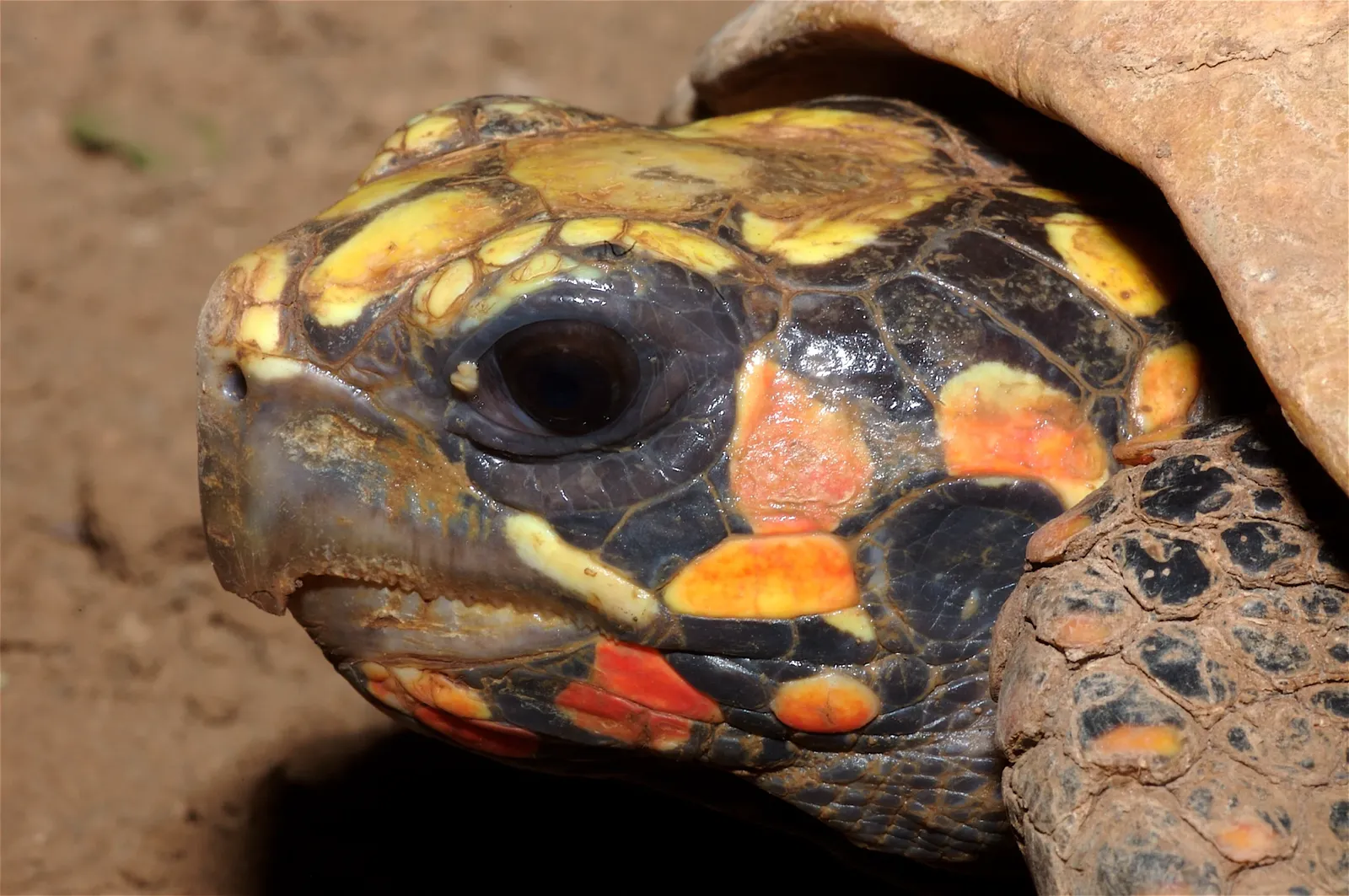
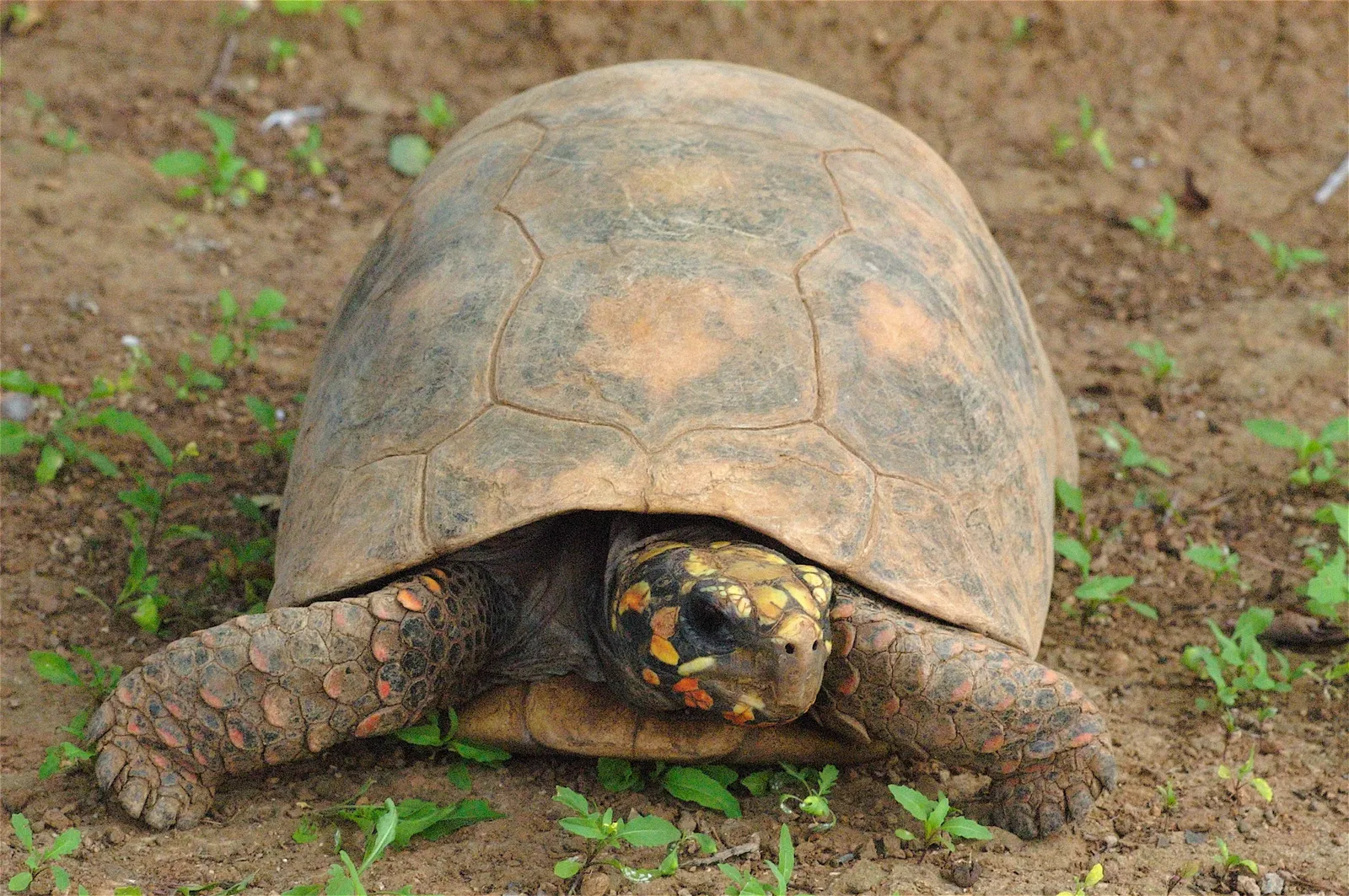
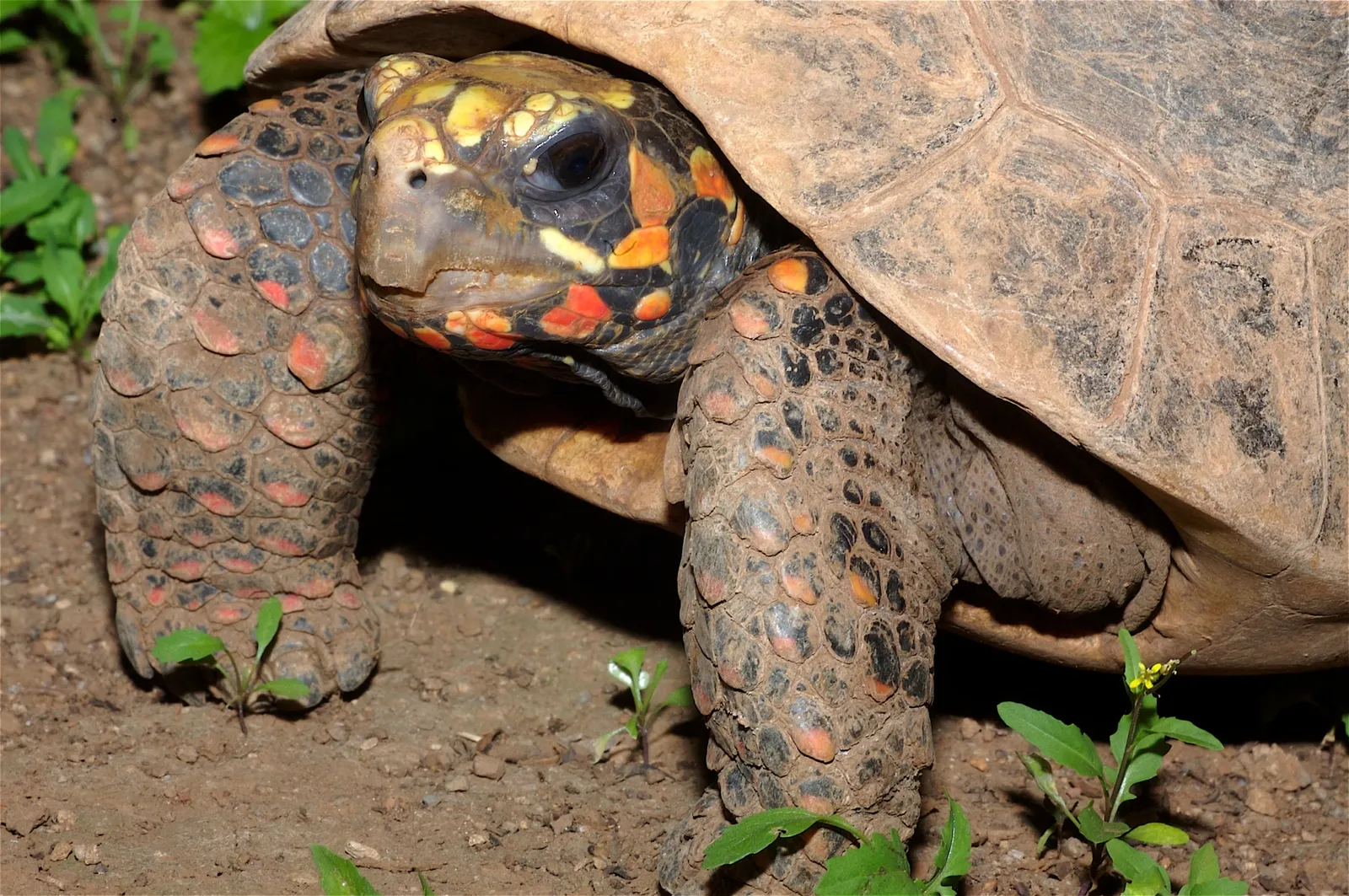
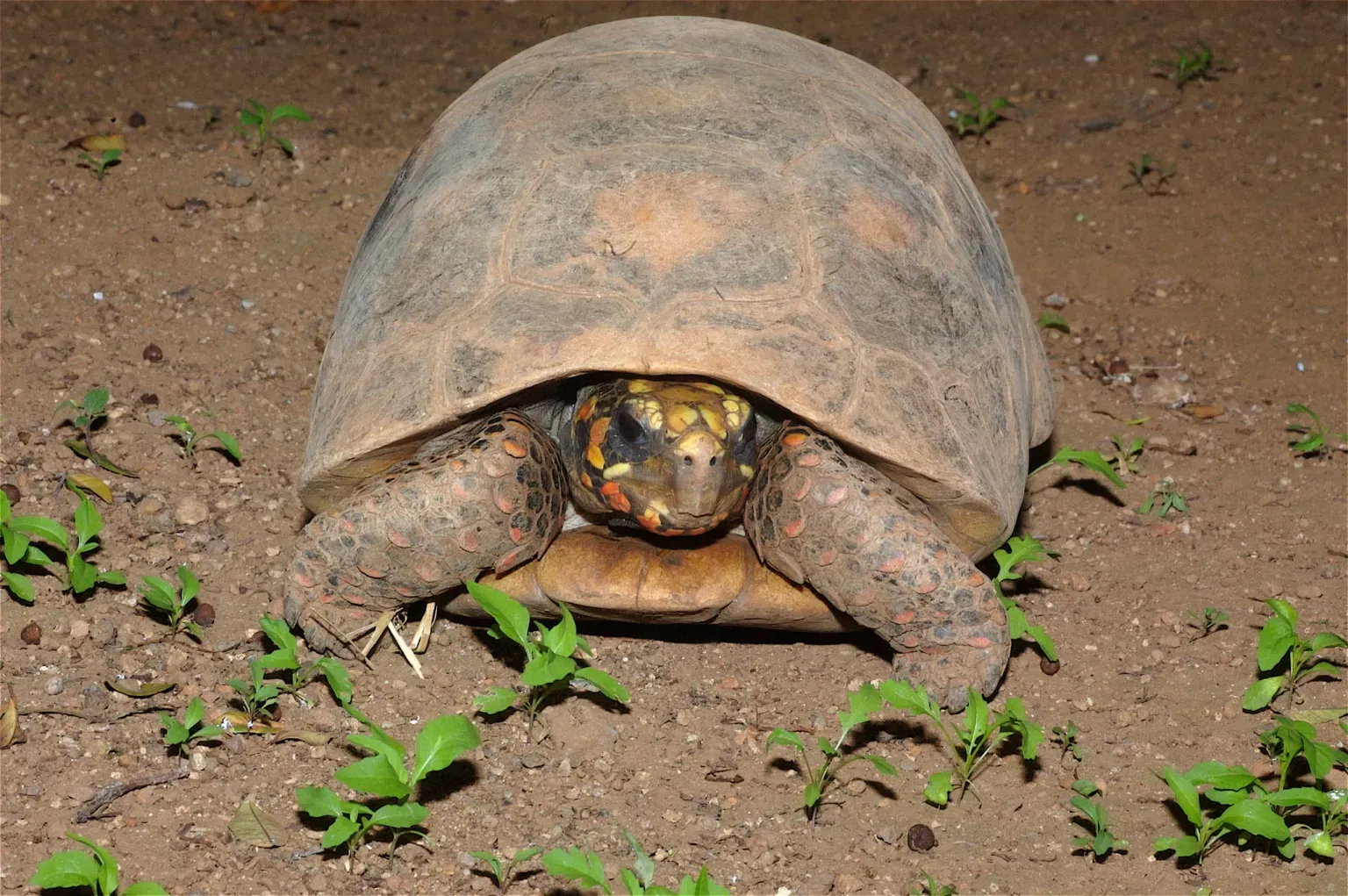
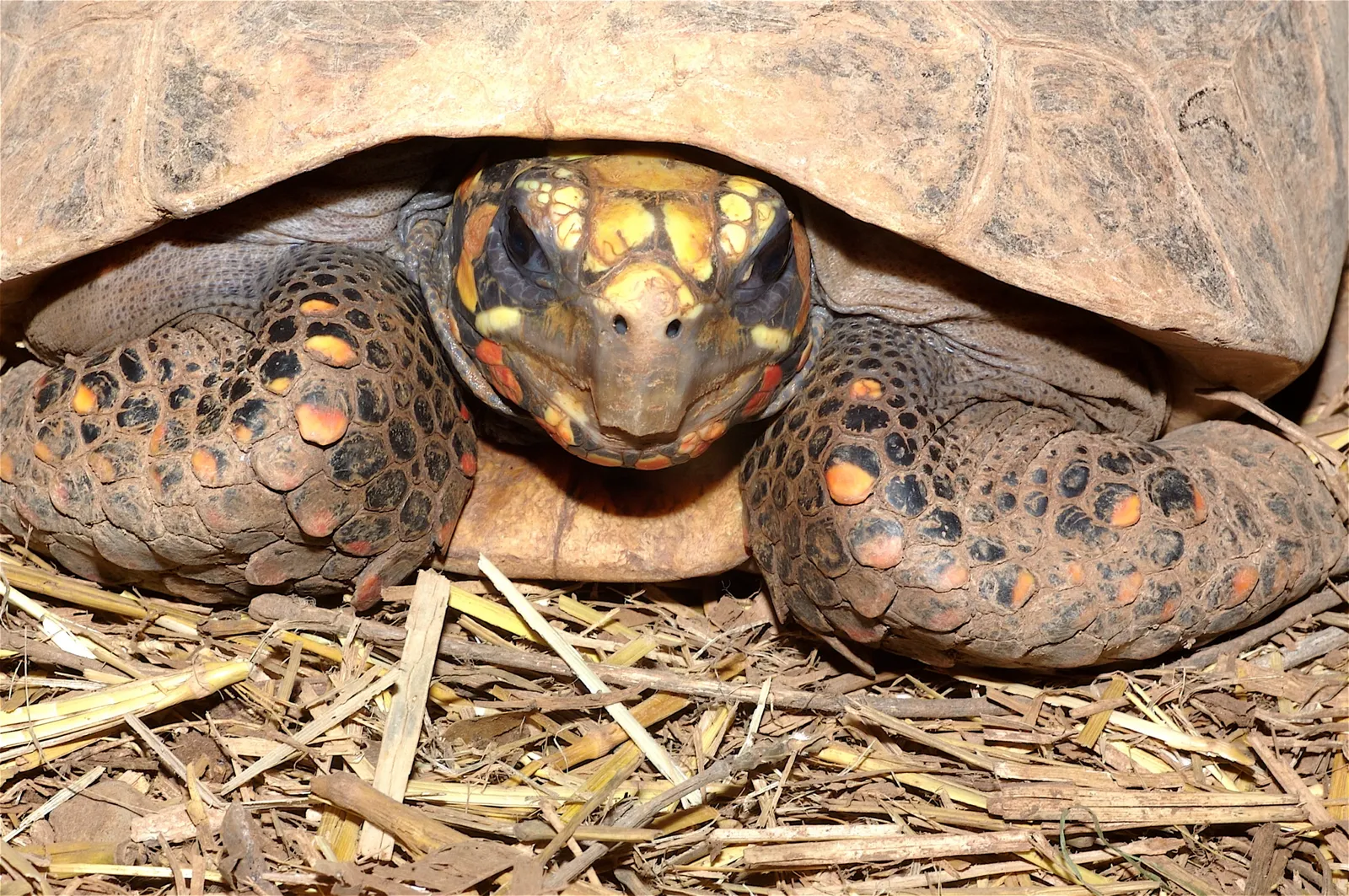
These turtles are notable for their rounded carapaces and their dark brown to black colouring, which gives them a distinctive appearance.
These turtles play a vital role in ecosystems, helping to maintain balance by controlling vegetation growth and contributing to seed dispersal as they feed and move through their environment.
It has a very high risk of disappearing in the wild if conservation measures are not taken.
Reproduction
The red-footed tortoise breeds all year round, although in the wild it usually breeds during the late rainy season between July and September.
1. The male attracts the female's attention by hitting her with his shell to show that he has a hard-on.
2. The male initiates head movements while the female remains still.
3. The male sniffs the female's tail.
4. Mating and mating takes place.
5. During courtship, the male emits a snapping sound.
Feeding
The red-footed tortoise is a herbivorous species, and its diet is mainly based on fruits, mushrooms, plants, leaves, roots, grasses and brightly coloured flowers. However, if food is scarce in their habitat, they may also eat slow-moving animals such as worms or insects¹². In captivity, it is important to offer them a wide variety of wild herbs, vegetables, flowers and some ripe fruit or a good tortoise food.
Threats
The morroccoy faces significant threats due to habitat destruction and illegal capture for the pet trade. Conservation of this species is essential to protect biodiversity in the regions where they are found. Several conservation organisations and projects are working to ensure the survival of these turtles and their important contribution to ecosystem health.
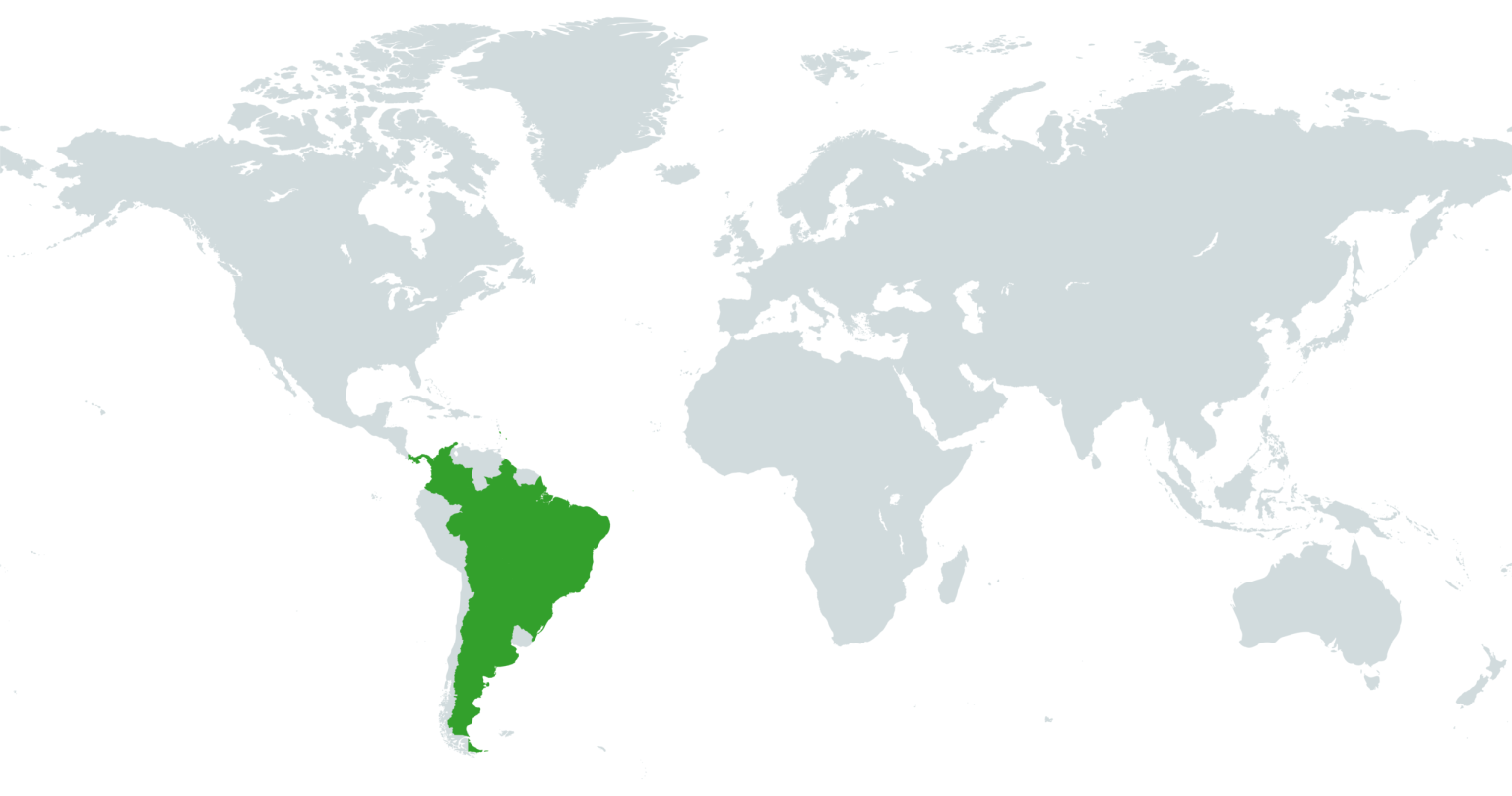
Distribution
VU (Vulnerable)
It is at high risk of extinction in the medium term.
NT (Near Threatened)
It is not yet at risk, but could be soon if conditions worsen.
ALL
Not Used
EX (Extinct)
There are no longer any living individuals of the species.
EW (Extinct in the wild)
Only specimens survive in captivity or in scientific collections.
CR (Critically Endangered)
It faces an extremely high risk of extinction in the near future.
LC (Least Concern)
The species is relatively secure in the wild and faces no immediate risk of extinction.