Discovering Tenerife's wildlife at Monkey Park

At Monkey Park, we are not only dedicated to bringing you closer to animals in a responsible environment, but we also want you to discover the incredible biodiversity of Tenerife.

The Fauna of Tenerife: Unique Life on a Volcanic Island

Tenerife is home to a wide variety of animal species that have evolved in unique ways due to their geographical isolation. From birds that soar through the skies to reptiles that hide among volcanic rocks, the island's fauna reflects its natural wealth. Among the most emblematic are the Tenerife Giant Lizard, the Blue Chaffinch and the Cory's Shearwater, each with surprising adaptations that have allowed them to survive in this unique environment.

Interesting Fact

Did you know that the Tenerife giant lizard can grow to over 50 cm in length and that it was on the verge of extinction? Thanks to conservation projects, its population has begun to recover.

Lemurs in Tenerife

Although lemurs are not native to Tenerife, at Monkey Park we have created a special space where these charismatic primates can live in a safe environment adapted to their needs.

Protecting Tenerife's Nature: Tips for Tourists and Locals

Tenerife is a natural paradise with unique biodiversity that we must protect. Whether you are a visitor or a resident, every little action counts towards preserving the island's fauna and flora. Respecting the trails, not feeding wild animals and avoiding picking plants are just some ways to contribute. In addition, choosing responsible activities and supporting conservation initiatives helps ensure that future generations can continue to enjoy this unique environment. Let's take care of Tenerife's nature together!


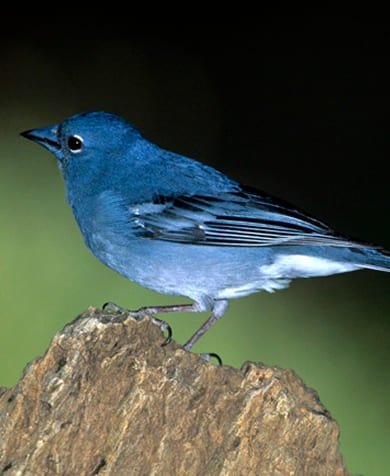
Teide Blue Chaffinch

The Teide Blue Chaffinch is one of Tenerife's most emblematic birds and a true symbol of the island's endemic fauna. It is a species exclusive to the Canary Island pine forests, where it finds shelter and food.

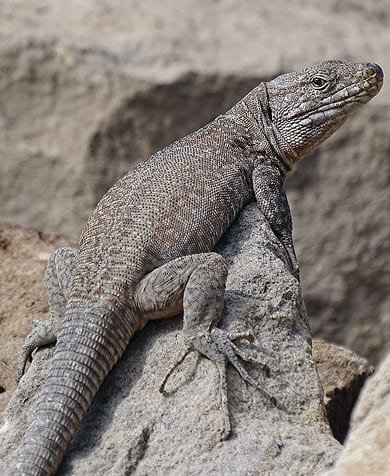
Spotted Lizard

The Tenerife Spotted Lizard, also known as the Tenerife Giant Lizard, is one of the island's herpetological treasures. For a long time, it was believed to be extinct, until it was rediscovered in 1996 in a rocky area in the south of Tenerife. It is one of the largest lizard species in the Canary Islands and a clear example of the unique evolution of the island's fauna.

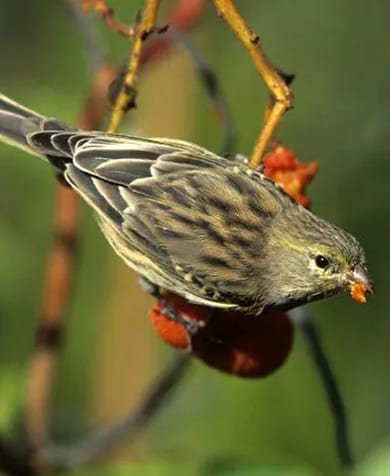
Canary Islander

The Canary, scientifically known as Serinus canaria, is a small bird that has become the emblem of the Canary Islands. Although famous worldwide for its melodious song, in the wild it is a species that inhabits the forests and mountainous areas of Tenerife and other islands in the archipelago.

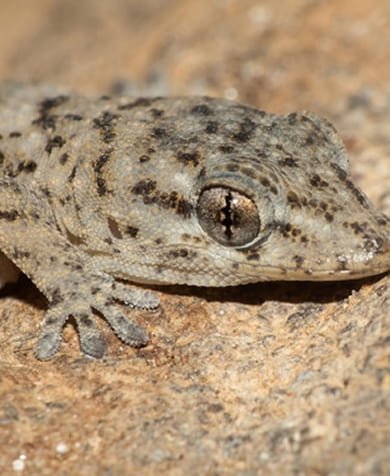
Common Perenquén

The common gecko, also known as the Canary gecko, is a small nocturnal reptile endemic to the Canary Islands, particularly abundant in Tenerife and La Palma. It is a natural ally in the ecosystem, as it feeds on insects, helping to control their populations.

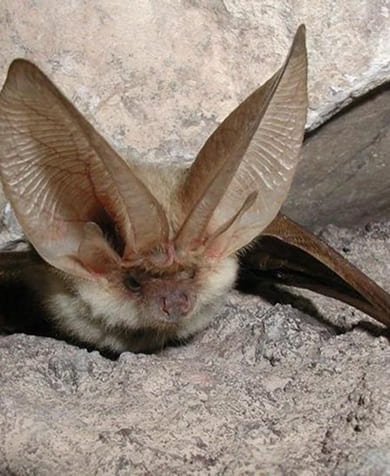
Canary Island long-eared bat

The Canary Island Long-eared Bat (Plecotus teneriffae) is a species of bat endemic to Tenerife. Its name comes from its large ears, which can measure almost as much as its body and allow it to pick up low-intensity sounds, making it a master of echolocation. It is one of the few native mammal species on the island and plays a crucial role in the balance of the ecosystem.

VU (Vulnerable)
VU (Vulnerable) Completo

It is at high risk of extinction in the medium term.

NT (Near Threatened)
NT (Casi Amenazado) Completo

It is not yet at risk, but could be soon if conditions worsen.

ALL

Not Used

EX (Extinct)
EX (Extinto) Completo

There are no longer any living individuals of the species.

EW (Extinct in the wild)
EW (Extinto en estado silvestre) Completo

Only specimens survive in captivity or in scientific collections.

EN (Endangered)
EN (En Peligro) Completo

It has a very high risk of disappearing in the wild if conservation measures are not taken.

CR (Critically Endangered)
CR (En Peligro Crítico) Completo

It faces an extremely high risk of extinction in the near future.

LC (Least Concern)
LC (Preocupación Menor) Completo

The species is relatively secure in the wild and faces no immediate risk of extinction.